


HIV Blood Test: How Long After Exposure Should You Wait?
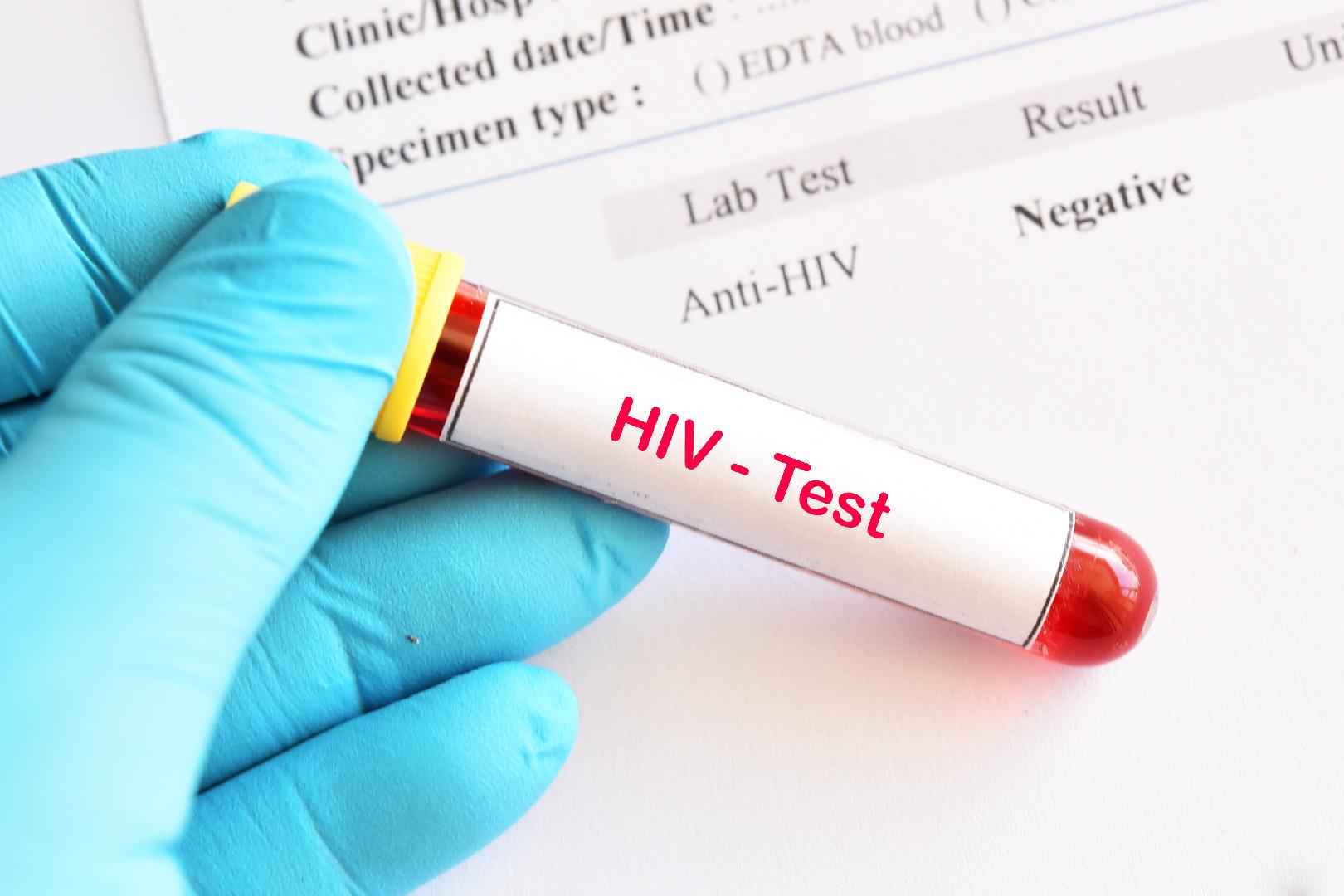
If you have recently experienced a possible HIV exposure, one of the first questions you may ask is, “How long should I wait before taking an HIV blood test?”
The answer is not simply a specific number of days. HIV Blood Test in Dubai use different technologies, and each has its own window period. Testing too early can produce a negative result even when HIV infection has occurred because the markers detected by the test may not yet be present at detectable levels.
Knowing when to test can help you avoid unnecessary uncertainty and understand whether a negative result is reassuring or whether follow-up testing may be necessary.
Start With the Most Important Question: When Did the Exposure Happen?
The date of possible exposure is the starting point for determining an HIV testing timeline.
A healthcare professional may ask:
- When did the possible exposure occur?
- What type of exposure happened?
- Was there another possible exposure afterward?
- Was a condom or other prevention method used?
- Do you take PrEP?
- Have you recently taken PEP?
- Have you already had an HIV test?
These details help determine which HIV test is appropriate and when it is most useful.
There is no universal waiting period because a nucleic acid test, antigen and antibody test, and antibody test detect different markers of HIV.
The HIV Window Period Explained
The HIV window period is the time between potential infection and when a particular HIV test can reliably detect that infection.
During this period, HIV may already be present in the body, but the test may not detect it.
Different tests look for different evidence of infection:
NAT: Detects HIV genetic material.
Antigen and antibody test: Detects HIV p24 antigen and antibodies.
Antibody test: Detects antibodies produced by the immune system.
The earlier a test can identify its target marker, the shorter its typical detection window.
According to HIV.gov, the approximate detection ranges are:
| HIV test | Typical time it can detect HIV after exposure |
|---|---|
| NAT | About 10 to 33 days |
| Laboratory antigen and antibody test using blood from a vein | About 18 to 45 days |
| Antibody test | About 23 to 90 days |
These are general ranges, not guaranteed detection dates for every individual.
Can You Get an HIV Blood Test Immediately After Exposure?
Yes, you can seek HIV testing immediately after a possible exposure. However, an early negative result cannot reliably rule out infection from that recent exposure.
Why?
The infection may be too recent for the test to detect.
An initial HIV test can still have a role in medical evaluation because it may show whether HIV was already detectable before the recent exposure. But follow-up testing may be needed to determine whether infection occurred from the recent event.
If you have recently been exposed, tell your healthcare provider exactly when the exposure occurred.
What If the Exposure Happened Within 72 Hours?
This is an important situation where you should not simply wait for an HIV test.
If a potential exposure occurred within the previous 72 hours, seek urgent medical advice about post-exposure prophylaxis, or PEP.
PEP consists of HIV medicines taken after a potential exposure to reduce the chance of acquiring HIV. HIV.gov recommends starting PEP as soon as possible and no later than 72 hours after exposure.
An HIV test may be performed as part of the assessment, but testing immediately after exposure cannot reliably exclude a newly acquired infection.
If you are still within the 72-hour window, seek medical care promptly rather than waiting for symptoms or a conclusive test.
When Should You Take a NAT?
A nucleic acid test, or NAT, detects HIV genetic material.
It generally has one of the earliest detection windows among commonly used HIV tests.
HIV.gov states that a NAT can usually detect HIV approximately 10 to 33 days after exposure.
Because NAT can detect HIV earlier, a healthcare professional may consider it when there is a strong concern about very recent infection.
However, NAT is not automatically necessary for everyone after a possible exposure. The decision depends on the exposure history, symptoms, other test results, and clinical assessment.
When Should You Take a Fourth Generation HIV Blood Test?
A laboratory antigen and antibody HIV test, commonly known as a fourth generation test, is widely used for HIV screening.
It detects:
- HIV p24 antigen
- HIV antibodies
The antigen component can help identify infection before antibodies are fully developed.
For blood collected from a vein and analyzed in a laboratory, HIV.gov reports that this test can usually detect HIV approximately 18 to 45 days after exposure.
This makes laboratory fourth generation testing an important option when testing after a relatively recent exposure.
Still, testing before the end of the detection window may require follow-up.
What About an HIV Antibody Test?
An HIV antibody test looks for antibodies created by the immune system in response to HIV.
Because antibody production takes time, this type of test generally has a longer window period.
HIV.gov reports that antibody tests can usually detect HIV approximately 23 to 90 days after exposure.
The exact window depends on the specific test.
If you are using an antibody-only test, do not automatically apply the window period of a laboratory fourth generation test.
Is Four Weeks After Exposure Enough?
Four weeks can be an important point in HIV testing, but whether it is enough depends on the test.
A laboratory fourth generation HIV test can usually detect infection within approximately 18 to 45 days after exposure.
Therefore, a negative fourth generation test at four weeks can be reassuring, but it may still be within the test's stated detection range.
An antibody-only test has a longer typical window period.
The safest approach is to identify the exact test you received and follow the testing schedule recommended by your healthcare provider.
What About Testing Six Weeks After Exposure?
Six weeks is beyond the typical 45-day detection range reported for a laboratory antigen and antibody test using blood from a vein.
However, different tests have different window periods.
If you had a laboratory fourth generation test, the result at this stage can be highly informative. If you used an antibody-only test, the relevant window period may be longer.
Your healthcare provider can interpret the result according to the exact test used and your exposure history.
What About Testing Three Months After Exposure?
Three months, or approximately 90 days, is an important reference point for some HIV antibody tests.
HIV.gov reports an approximate detection range of 23 to 90 days for antibody tests.
However, modern laboratory HIV testing may have a considerably shorter window period.
Instead of automatically waiting three months for every HIV test, find out which test you are taking.
This can allow appropriate testing much earlier.
Can a Negative HIV Blood Test Be Wrong?
A negative HIV test is not necessarily wrong simply because it was followed by another positive result.
The first test may have been performed during the window period.
For example, if someone tests only a few days after exposure, there may not yet be enough HIV antigen, antibodies, or genetic material for the test to detect.
This is why test timing is an essential part of HIV testing accuracy.
If the test was performed too early, your healthcare provider may recommend another test after more time has passed.
What If You Test Negative After the Window Period?
A negative HIV test performed after the appropriate window period is much more reassuring, particularly when there have been no additional exposures.
However, the exact interpretation depends on:
- The type of HIV test
- The date of exposure
- Whether another exposure occurred
- Whether PEP or PrEP was used
- Your healthcare provider's assessment
A negative result does not protect you from future HIV exposure, so prevention remains important.
What If You Have Another Exposure After Testing?
A new potential exposure creates a new testing timeline.
For example, imagine that you test negative several weeks after one exposure and then experience another possible exposure.
The earlier negative test does not necessarily rule out infection from the later event.
Tell your healthcare provider about every relevant exposure date.
This information allows the provider to recommend an appropriate testing strategy.
What If You Have HIV Symptoms?
Some people experience symptoms during acute HIV infection, while others have no symptoms.
Possible early symptoms include:
- Fever
- Rash
- Sore throat
- Swollen lymph nodes
- Fatigue
- Headache
- Muscle aches
- Night sweats
These symptoms can resemble many other illnesses.
Having symptoms does not prove that you have HIV, and having no symptoms does not rule HIV out.
If you have had a possible exposure and develop concerning symptoms, seek medical advice rather than attempting to diagnose yourself.
Can an HIV Blood Test Detect Acute Infection?
Yes, depending on the test and timing.
A NAT can detect HIV genetic material earlier than many antibody-based tests.
A fourth generation laboratory test can detect both p24 antigen and HIV antibodies, allowing it to identify many infections earlier than an antibody-only test.
However, no HIV test should be expected to detect an infection immediately after exposure.
When acute HIV infection is suspected, a healthcare professional may consider additional testing or a repeat test.
Does PrEP Change the Testing Process?
Tell your healthcare provider if you take PrEP, or pre-exposure prophylaxis.
PrEP involves regular HIV testing as part of ongoing prevention care.
If you recently started PrEP, missed doses, or had a possible exposure while using PrEP, your provider may recommend a particular HIV testing approach.
You should also mention recent PEP use.
Medication history can be relevant when healthcare professionals interpret HIV test results and determine follow-up testing.
How Is an HIV Blood Test Performed?
A laboratory HIV blood test usually involves collecting blood from a vein in your arm.
The healthcare professional cleans the skin, inserts a sterile needle, collects a small blood sample, and removes the needle.
The sample is then analyzed in a laboratory.
The actual blood collection typically takes only a few minutes.
For most HIV blood tests, fasting is not required unless you are having another test that requires fasting.
What If Your HIV Screening Test Is Reactive?
A reactive HIV screening result does not automatically confirm HIV infection.
Additional testing is required to determine whether the result represents an actual HIV infection.
If follow-up testing confirms HIV, treatment can begin.
Modern antiretroviral therapy can suppress HIV to very low levels and protect immune health. When treatment maintains an undetectable viral load, HIV is not sexually transmitted. This is known as U=U, or Undetectable = Untransmittable.
A reactive result should therefore be followed by appropriate medical testing rather than immediate conclusions.
How to Choose the Right Testing Time?
Instead of memorizing one HIV testing date, use this simple approach:
Record the exposure date.
This establishes the beginning of your testing timeline.
Identify the test.
Ask whether you are receiving a NAT, laboratory antigen and antibody test, or antibody test.
Check the window period.
The detection period varies between tests.
Consider PEP.
If the exposure occurred within 72 hours, seek urgent medical advice.
Follow up if necessary.
If your first test was performed during the window period, repeat testing may be recommended.
Common HIV Testing Timing Mistakes:
Testing once and ignoring the window period:
A single early negative result may not be conclusive.
Assuming all blood tests work the same way:
Different HIV tests detect different markers and have different detection windows.
Waiting for symptoms before testing:
HIV may cause no noticeable symptoms.
Ignoring another possible exposure:
A later exposure can change your testing timeline.
Delaying PEP:
If you are within 72 hours of a possible exposure, seek medical advice immediately rather than waiting for a test result.
Frequently Asked Questions:
How soon after exposure can I get an HIV blood test?
You can get tested immediately, but an early negative result may not rule out infection. A NAT can usually detect HIV around 10 to 33 days after exposure, while a laboratory antigen and antibody test can usually detect HIV around 18 to 45 days.
Is 14 days too early for an HIV test?
It may be too early for some tests to reliably detect HIV. A NAT may be able to detect some infections during this period, but standard testing may require more time.
Is a fourth generation test accurate after one month?
A laboratory fourth generation test can usually detect HIV within 18 to 45 days after exposure. A negative result at one month can be reassuring but may still fall within the stated detection range.
Do I need to fast before an HIV blood test?
Usually no. Standard HIV testing generally does not require fasting.
What should I do if exposure happened yesterday?
If the exposure occurred within 72 hours, seek urgent medical advice about PEP. Do not wait for an HIV test to become conclusive.
Final Takeaway:
The answer to “How long after HIV exposure should you wait for a blood test?” depends on the Lab tests being used.
A NAT can usually detect HIV approximately 10 to 33 days after exposure. A laboratory fourth generation antigen and antibody test using blood from a vein can usually detect HIV around 18 to 45 days, while an antibody test generally has a window of approximately 23 to 90 days.
Testing immediately after exposure can be useful as part of medical evaluation, but a negative result that early cannot reliably exclude a newly acquired infection.
If the possible exposure occurred within 72 hours, seek medical care promptly to discuss PEP.
Ultimately, the most reliable approach is to match the HIV test type with the appropriate testing window, consider any additional exposures, and follow recommended repeat testing when necessary. Early diagnosis also opens the door to highly effective HIV treatment and the health benefits associated with sustained viral suppression.

 English
 Arabic
 French
 Spanish
 Deutsch
 Turkish
 Dutch
Dutch
 Italiano
 Russian
 Romaian
 Portuguese (Brazil)
 Greek
Greek