


A Loving Home, A Lasting Impact: Fostering Children Across Australia
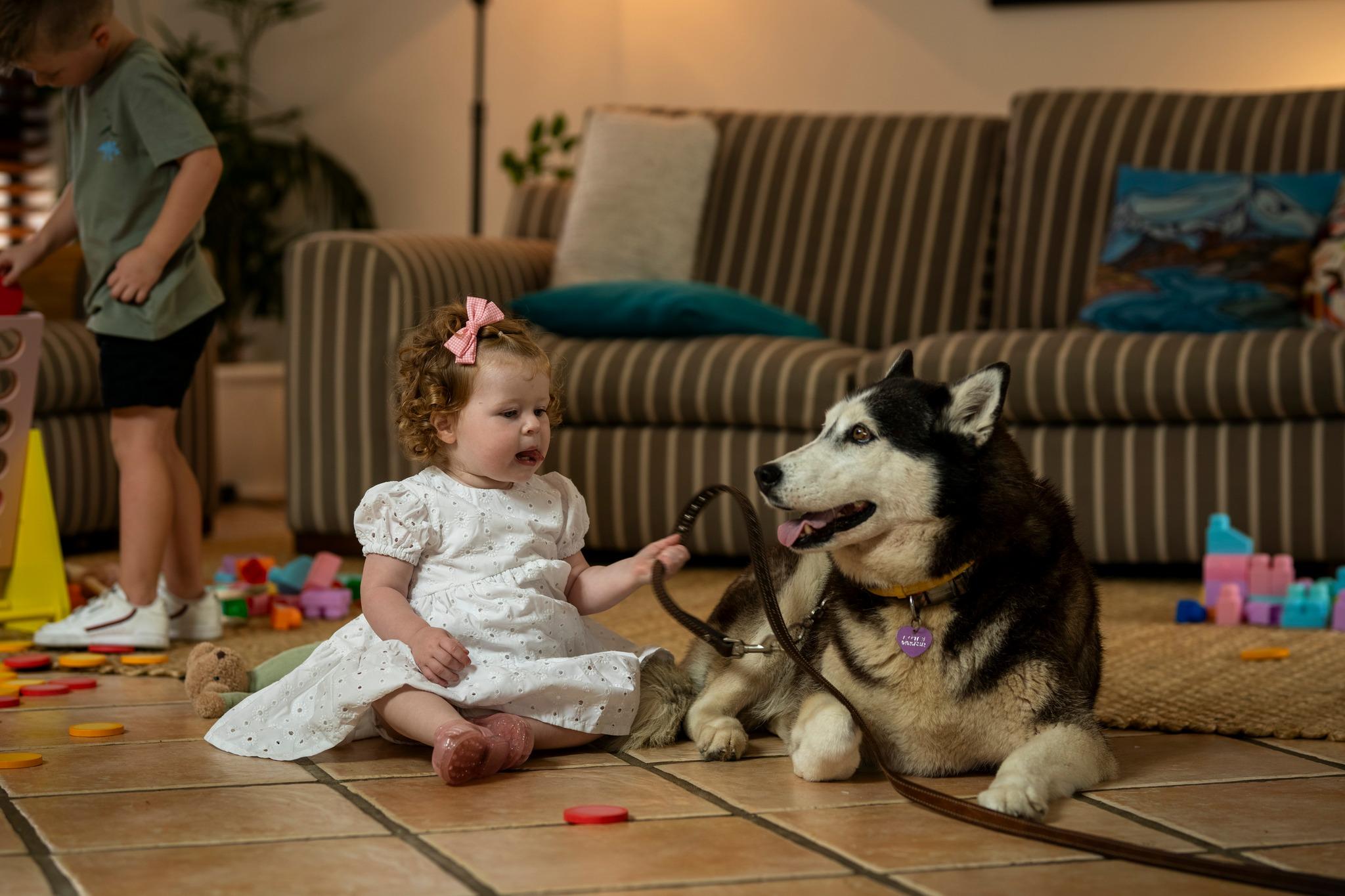
Every child deserves to grow up feeling safe, valued, supported, and cared for. However, some children and young people in Australia cannot safely live with their birth families for a period of time. Foster care provides these children with a stable and nurturing home while decisions are made about their future.
Fostering a child is more than providing a spare bedroom. It is about opening your home, offering emotional security, encouraging positive development, and helping a young person experience the stability they need to grow. Foster carers can make a meaningful difference in a child's life, often through everyday moments such as sharing a meal, helping with homework, attending school events, or simply being there when a child needs someone to listen.
Understanding Foster Care in Australia
Foster care is a form of out-of-home care designed to provide children and young people with a safe place to live when they cannot remain with their birth family. The reasons a child may enter care can vary and may include family circumstances, safety concerns, neglect, abuse, or situations where parents are temporarily unable to provide appropriate care.
The goal of foster care is not to replace a child's birth family. Instead, foster carers provide care and support according to the child's individual circumstances and the arrangements made by the relevant authorities and care organisation.
Every child has a different background, personality, age, and set of needs. Some children may need short-term care, while others may require a longer period of support. This means foster care can take different forms depending on what is best for the child.
Why a Loving Home Matters
Moving away from familiar surroundings can be a significant experience for a child. A new home, new routines, new carers, and unfamiliar environments can create uncertainty. A welcoming foster family can help reduce some of this uncertainty by providing consistency and reassurance.
A loving home gives children an opportunity to establish routines and develop positive relationships. Simple things that many people take for granted—having a regular bedtime, eating dinner together, being encouraged at school, or having someone attend an important activity—can help a child develop a greater sense of security.
Foster carers do not need to have all the answers. What matters is their willingness to listen, learn, communicate, and provide dependable care.
Creating Stability Through Everyday Care
Children in foster care may have experienced difficult or disruptive circumstances before entering care. Stability can therefore become an important part of their everyday experience.
Foster carers can support stability by creating predictable routines and clear expectations. This may involve establishing regular meal times, school routines, household responsibilities, recreational activities, and bedtime schedules.
Consistency can help children understand what to expect from their environment. Over time, these routines may help build trust between the child and their foster carers.
However, stability does not mean every day has to be perfect. Families naturally experience challenges, disagreements, and changes. A supportive foster home is one where children can communicate their feelings and receive patient, respectful guidance.
Supporting Emotional Wellbeing
Emotional support is an important part of fostering. Children may experience a wide range of emotions connected to separation, change, uncertainty, or previous experiences.
A foster carer's role may include creating an environment where children feel comfortable expressing themselves. Listening without immediately judging or dismissing their feelings can help build trust.
Carers can also encourage children to participate in activities they enjoy. Sports, art, music, reading, outdoor activities, hobbies, and community events can provide opportunities for children to develop confidence and discover their strengths.
Professional support may also form part of a child's care plan when required. Foster carers generally work alongside caseworkers, support professionals, schools, and other relevant people to help meet the child's needs.
Supporting Education and Development
Education plays an important role in a child's development and future opportunities. Foster carers can support education by helping children establish healthy study routines and encouraging regular school attendance.
Support does not necessarily mean being able to help with every subject. Sometimes it simply means showing interest in what the child is learning, attending school meetings when appropriate, encouraging effort, and celebrating progress.
Children may also need opportunities to develop skills outside the classroom. Learning how to communicate, make decisions, manage responsibilities, build friendships, and participate in activities can contribute to their overall development.
A foster carer can encourage these skills by providing age-appropriate responsibilities and positive guidance.
Maintaining Important Relationships
A child's connections with their birth family and other significant people can be extremely important. Depending on the child's circumstances and care arrangements, maintaining appropriate family and community relationships may form part of their care plan.
Foster carers may therefore need to support children during family visits, communication, or other approved arrangements. This requires sensitivity and respect.
The focus should remain on the child's wellbeing and the arrangements established by the relevant professionals and authorities. Foster carers can play an important role by helping children feel supported before and after significant interactions.
Different Types of Foster Care
Foster care can involve different arrangements depending on a child's needs and circumstances. Some carers provide emergency or short-term care, while others may support children for longer periods.
There can also be different types of placements based on factors such as age, sibling groups, and individual support needs. Some foster carers may care for teenagers, younger children, or sibling groups.
This variety means prospective carers can explore the type of fostering arrangement that is most suitable for their household, availability, skills, and lifestyle.
What Does It Take to Become a Foster Carer?
People often wonder whether they have the qualities needed to foster. While requirements vary between Australian states, territories, and organisations, successful fostering generally involves patience, commitment, flexibility, communication, and a genuine interest in supporting children.
You do not necessarily need to be a parent already. Foster carers can come from different family structures and backgrounds. What matters is the ability to provide a safe and suitable home and work collaboratively with the professionals involved in a child's care.
Prospective foster carers typically go through an assessment and training process. This helps organisations understand the household and prepare carers for the responsibilities involved in fostering.
Training can help prospective carers understand children's experiences, trauma-informed care, communication, boundaries, behaviour, and the importance of working as part of a support team.
Foster Carers Are Part of a Support Network
Fostering is not something carers are expected to do alone. Support networks can include caseworkers, care organisations, schools, health professionals, community services, and other relevant professionals.
Ongoing guidance can help carers respond to challenges and understand the individual needs of the child in their care.
Having access to appropriate support is particularly valuable because every placement is different. A strategy that works for one child may not work for another. Foster carers often need to remain open to learning and adapting their approach.
The Lasting Impact of Foster Care
The impact of foster care can extend far beyond the period a child spends in a particular home. Positive experiences can help children develop trust, confidence, independence, and a stronger sense of belonging.
A foster carer may not always see the immediate results of their efforts. A child may not express appreciation or respond positively at first. Building trust can take time, particularly when a child has experienced uncertainty or difficult circumstances.
Nevertheless, small acts of care can matter. Remembering an important event, encouraging a child's interests, preparing a favourite meal, listening after a difficult day, or celebrating an achievement can create positive experiences that children carry with them.
Could You Make a Difference?
Fostering children across Australia is a meaningful responsibility that requires commitment, patience, and compassion. It can also be an incredibly rewarding experience for individuals and families who want to contribute to the wellbeing of children and young people.
You do not need to be perfect to become a foster carer. You need to be willing to learn, provide consistency, communicate openly, and create an environment where a child can feel safe and respected.
A loving home can provide much more than accommodation. It can offer reassurance during a difficult period, opportunities to learn and grow, and a place where a child knows that someone cares about their wellbeing.
Conclusion
Foster care is about creating opportunities for children to experience safety, stability, encouragement, and belonging. Across Australia, foster carers contribute to the lives of children and young people by providing everyday care and working alongside professionals and families to support their needs.
A loving home can become the beginning of a new chapter. A patient carer can become a trusted source of support. And small moments of care can create a lasting impact.
For people considering fostering, taking the first step by learning about local requirements, training, assessment, and available support can help them understand whether foster care is right for their household. Ultimately, fostering is about opening your heart and home to help a child move toward a safer, more supported, and hopeful future.

 English
 Arabic
 French
 Spanish
 Deutsch
 Turkish
 Dutch
Dutch
 Italiano
 Russian
 Romaian
 Portuguese (Brazil)
 Greek
Greek