


Mastering Subsurface Exploration: Advanced Strategies for Nugget Hunting
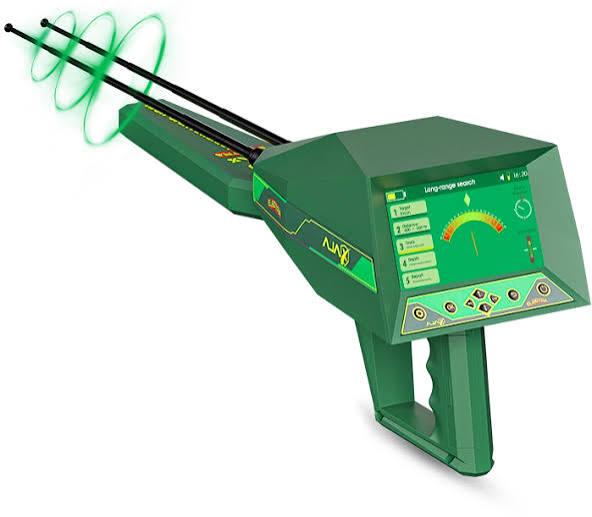
The search for precious metals hidden beneath the Earth's crust has transitioned from a crude, manual craft into an exact science driven by sophisticated electronic engineering. Modern hobbyists and professional prospectors no longer rely entirely on intuition or random panning; instead, they harness specialized hardware capable of reading complex subterranean anomalies. Whether you are scanning remote desert washes, investigating historic tailing piles, or exploring rocky riverbeds, deploying the right gold detector transforms an ordinary expedition into a journey of profound discovery.
The Engineering Evolution of Subsurface Exploration Systems
Early generation hunting units utilized simple audio feedback circuits that reacted indiscriminately to any metallic element present in the earth. Unfortunately, natural soil compositions often contain high concentrations of iron oxides, magnetite, and conductive salts that mimic the presence of actual metals. This phenomenon, known as ground mineralization, frequently triggers false alarms and masks real targets.
Modern engineering resolves this challenge through sophisticated Very Low Frequency (VLF) architecture and Pulse Induction (PI) systems. VLF platforms continuously transmit a primary sine wave into the ground, monitoring phase changes caused by buried metallic items. When calibrated correctly, these instruments excel at isolating small flakes and shallow nuggets. Conversely, Pulse Induction units project rapid bursts of magnetic current into the substrate, entirely bypassing mineral interference to achieve extreme detection depths in hostile terrain.
Evaluating Core Technical Parameters Before Purchase
Selecting the ideal piece of hardware requires a comprehensive evaluation of several technical specifications that dictate real-world efficiency:
-
Operating Frequency: Higher frequencies (typically above 18 kHz) maximize sensitivity to tiny, sub-gram gold flakes, whereas lower frequencies penetrate neutral ground more deeply.
-
Ground Balance Versatility: Manual and automatic ground tracking capabilities ensure the device instantly adapts to fluctuating mineral content without generating static noise.
-
Discrimination Microprocessors: Advanced digital signal processing filters out common trash items such as iron nails, foil, and bottle caps, preserving energy and time.
-
Physical Ergonomics: Lightweight carbon-fiber shafts, balanced weight distribution, and waterproof coil configurations reduce operator fatigue during grueling outdoor excursions.
Field Methodologies and Site Reconnaissance Strategies
Possessing top-tier gear represents only half of the equation; successful field execution relies heavily on meticulous site preparation and disciplined sweeping techniques. Experienced prospectors rarely sweep unknown terrain at random. Instead, they study geological survey maps, historical mining documentation, and ancient hydrological drainage routes to pinpoint deposition zones where heavy materials naturally concentrate.
Upon arriving at a prospective location, operators must perform a complete ground calibration sequence. Maintaining the search coil parallel to the ground surface—while keeping it as close to the dirt as possible without striking rocks—ensures maximum electromagnetic coupling. Operators should sweep slowly, overlapping each pass meticulously, because fine precious metal targets often produce soft, subtle threshold shifts that fast movements completely overlook.
Maximizing Success with Professional-Grade Hardware
Choosing the correct platform ultimately depends on balancing your specific operational environment with your personal experience level. Beginners frequently achieve optimal results using automated, user-friendly models featuring clear visual target identification displays and preset factory modes. Professional prospectors operating in severe soil conditions, however, demand high-frequency multi-purpose platforms with manual ground tracking and adjustable audio thresholds. Equipping yourself with a reliable gold detector machine tailored precisely to your regional landscape ensures enduring performance, exceptional target separation, and consistent recovery success across every expedition.
Frequently Asked Questions
What is the primary difference between VLF and Pulse Induction detectors?
VLF (Very Low Frequency) systems use continuous transmission waves and offer excellent target discrimination, making them ideal for finding small nuggets. Pulse Induction (PI) units emit rapid current pulses that completely ignore severe ground mineralization to reach extreme depths, though they generally offer limited trash discrimination.
Why is ground balancing essential for successful prospecting?
Ground balance calibrates the circuitry to ignore natural minerals, iron oxides, and salts present in the earth. Without proper balancing, the machine interprets ordinary soil as a metal target, resulting in constant false audio signals and hidden targets.
Can entry-level systems locate fine gold flakes?
Yes, many entry-level units operate at higher frequencies tuned specifically to catch small pieces, though dedicated high-frequency gold machines provide superior sensitivity for microscopic particles.
How does target discrimination save time in the field?
Target discrimination analyzes conductivity patterns to filter out common iron trash like nails and bottle caps, ensuring you only dig for valuable non-ferrous targets.
What essential accessories should be included in a prospecting kit?
A complete field kit should incorporate an ergonomic backpack, a durable digging shovel, a handheld pinpointer probe for close-up recovery, and a traditional classifier sieve or gold pan.

 English
 Arabic
 French
 Spanish
 Portuguese
 Deutsch
 Turkish
 Dutch
 Italiano
 Russian
 Romaian
 Greek