


How Roller Construction Influences Web Handling Performance
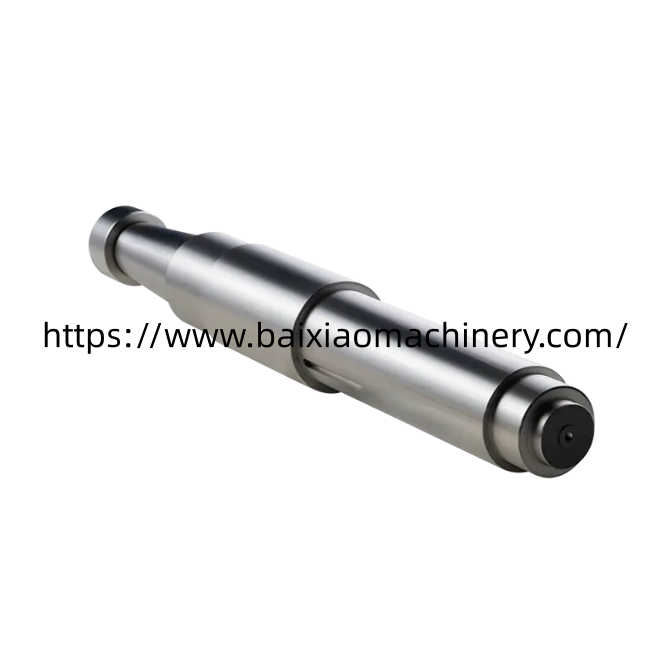
Smooth material movement is essential in many continuous production processes, and an Aluminum Guide Roller can provide a practical combination of structural support, responsive handling, and lightweight construction. For manufacturers working with films, textiles, paper, packaging materials, and other continuous products, roller selection should consider material compatibility, surface condition, rotational stability, installation, maintenance, and the surrounding equipment. Zhejiang Province, Ruian Baixiao Machinery Co., Ltd. develops roller-related machinery products for industrial applications, making these considerations useful when evaluating guide roller solutions.
Aluminum is often selected for roller construction because of its useful balance between structural strength and relatively light handling characteristics. Compared with some heavier materials, aluminum can make installation, replacement, and equipment adjustment more convenient. Its suitability also depends on the specific alloy, processing method, surface treatment, and structural design chosen for the application.
Surface treatment is particularly important when aluminum rollers interact directly with processed materials. A properly finished surface can support smooth material movement while reducing unwanted friction or surface contact issues. Different finishing approaches may also be considered to improve resistance to wear, contamination, or environmental exposure. The appropriate surface should be selected according to the material being processed rather than simply according to visual preference.
The type of material being guided should be one of the first considerations during purchasing. Films, paper, fabrics, foils, flexible packaging materials, and coated products may respond differently to surface contact. Some materials can be sensitive to scratches, pressure marks, or contamination, while others may require a surface that provides stable guidance. Understanding these characteristics helps manufacturers choose a roller that matches the actual process.
The roller's structural design is equally important. A guide roller normally includes a cylindrical body, shaft, bearings, and mounting components. These parts need to operate together as a coordinated assembly. Appropriate alignment can help maintain stable rotation, while suitable bearing selection can support smooth movement within the surrounding machinery.
The production environment should also influence the purchasing decision. Industrial facilities may involve dust, moisture, fibers, cleaning agents, or other substances that can affect roller surfaces and internal components. Aluminum can be suitable for many environments, but surface finishing and protective measures should still be considered according to the actual conditions in which the roller will operate.
Functional technology focuses strongly on rotational accuracy and material guidance. The roller needs to rotate consistently so that the material can move through the production line without unnecessary deviation. Shaft alignment, bearing installation, roller balance, and manufacturing precision can all influence the final result. These elements are particularly relevant in processes where material positioning needs to remain stable.
The relationship between roller surface and material tension can also affect system behavior. When a continuous material passes across several rollers, small differences in contact conditions may influence how the material tracks through the machine. A carefully selected surface finish can help create more predictable contact while supporting the intended production process.
Maintenance should be considered before the roller is installed. Even well-designed components can accumulate dust, fibers, adhesive residue, or other contaminants during production. Regular inspection and appropriate cleaning can help preserve surface condition. Technicians should also observe the bearings, shaft connections, and mounting points for signs of wear or misalignment.
One advantage of considering lightweight roller construction is easier handling during maintenance. Technicians may need to remove, reposition, clean, or replace rollers within a larger machine. A manageable component can make these tasks more convenient, particularly when access to the equipment is limited. Practical installation design should therefore be considered alongside material selection.
User experience also includes how easily operators can understand and maintain the roller system. Clearly organized mounting structures, accessible service points, and logical component placement can reduce unnecessary complexity. When a roller needs inspection or replacement, technicians benefit from a design that allows them to work efficiently without excessive disassembly.
Appearance can contribute to the overall visual quality of industrial equipment. Aluminum surfaces can provide a clean, modern appearance when properly finished. Consistent surface treatment, smooth edges, organized shaft connections, and balanced roller construction can complement the design of contemporary machinery. While appearance is not a substitute for technical suitability, it can support a professional equipment environment.
Customization may be useful when standard rollers do not fully match a particular production line. Different applications may require specific surface finishes, mounting arrangements, shaft configurations, or structural details. Working with a manufacturer that understands roller applications can help businesses evaluate the component in relation to the entire machine rather than as an isolated part.
Zhejiang Province, Ruian Baixiao Machinery Co., Ltd. focuses on roller-related machinery products and industrial applications, with attention to material selection, surface finishing, structural construction, and practical equipment integration. When evaluating aluminum-based guide rollers, buyers can consider the processed material, surface requirements, working environment, rotational characteristics, installation method, maintenance access, and overall machine design.
For manufacturers involved in web handling and continuous material processing, roller selection can influence how smoothly materials travel through the production system. A suitable aluminum roller should fit the material, machine structure, operating environment, and maintenance workflow. Zhejiang Province, Ruian Baixiao Machinery Co., Ltd. develops roller-related machinery solutions for industrial applications, with further product information available at https://www.baixiaomachinery.com/.

 English
 Arabic
 French
 Spanish
 Portuguese
 Deutsch
 Turkish
 Dutch
Dutch
 Italiano
 Romaian
 Portuguese (Brazil)
 Greek
Greek