


How Can Rockvalves Large Size Cast Steel Gate Valve Match Pipelines
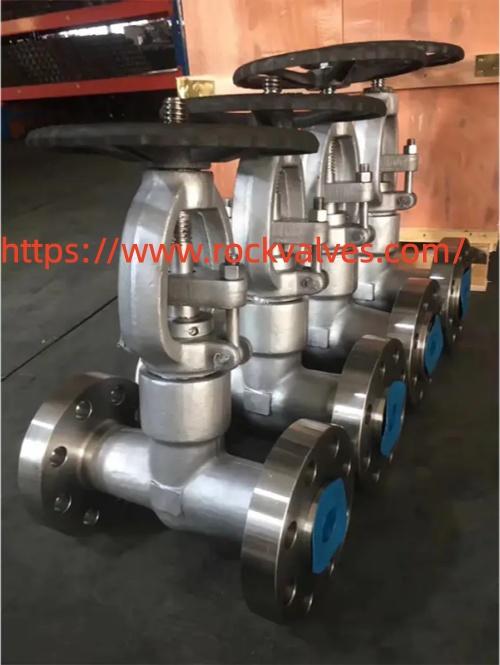
Large Size Cast Steel Gate Valve selection should start with the actual pipeline conditions rather than choosing equipment by nominal diameter alone. Buyers need to evaluate pressure, temperature, fluid characteristics, connection dimensions, installation space, operating method, and project standards. A properly matched unit should correspond with the piping design and intended shutoff duty. For larger connections, flange dimensions and pressure requirements become particularly important because ASME B16.47 covers large diameter steel flanges from NPS 26 through NPS 60, including dimensions, materials, pressure temperature ratings, tolerances, marking, and testing.
The first step is to identify the working conditions of the pipeline. Buyers should provide the normal operating pressure, possible pressure fluctuations, operating temperature, and type of medium. Water, steam, oil, gas, and process fluids can require different material combinations and sealing arrangements.
Pressure class should also be considered carefully. The selected class needs to correspond with the actual operating conditions and applicable design requirements. Instead of relying only on nominal pipe dimensions, engineering teams should review pressure and temperature data together. This gives the manufacturer a clearer basis for preparing a suitable configuration.
Connection information is another important part of the selection process. Buyers should confirm nominal size, flange standard, pressure class, facing type, bolt arrangement, and mating pipe dimensions. For larger piping systems, even a small mismatch in connection details can create additional work during installation.
ASME B16.47 specifically addresses large diameter steel flanges in sizes NPS 26 through NPS 60. This makes connection documentation particularly useful when purchasing equipment for large pipeline projects. Buyers can provide drawings or existing flange information to help manufacturers verify the required arrangement before production.
Face to face dimensions should not be overlooked. ASME B16.10 covers face to face and end to end dimensions for straightway valves and is intended to support installation interchangeability according to material, type, size, rating class, and end connection. When replacing equipment in an existing pipeline, buyers should compare the available installation space with the specified dimensions.
Material selection should follow the service environment. Carbon steel may be suitable for many general industrial applications, while other material grades can be considered when temperature, corrosion, or fluid composition creates different requirements. Buyers should also review the materials used for internal components, including the disc, stem, seat, packing, and gasket.
Operating method is another factor worth discussing. Handwheel operation can work for some installations, while larger equipment may require a gearbox or actuator depending on size, access, operating frequency, and project requirements. The available space around the equipment should be considered before selecting the operating arrangement.
Maintenance planning can also influence the configuration. Buyers should check whether there is enough room around the bonnet, operating mechanism, flange bolts, and adjacent piping. Large industrial installations can make future maintenance more demanding if access is not considered during the design stage.
Testing and documentation should be clarified before an order is placed. Buyers may need dimensional inspection, pressure testing records, material certificates, inspection reports, drawings, and other project documents. The applicable inspection standard should be agreed upon between the purchaser and manufacturer before production begins.
Rockvalves works with industrial piping requirements by discussing application conditions, connection details, material options, operating arrangements, and project documentation with customers. This communication allows purchasing and engineering teams to organize their requirements before manufacturing starts.
A practical selection process should bring all these details together. Buyers can prepare a technical specification containing nominal size, pressure class, medium, temperature, flange information, material requirements, operating method, applicable standards, testing requirements, quantity, and documentation needs. This gives the manufacturer a complete reference for quotation and production.
For replacement projects, existing drawings and equipment information can also be valuable. Comparing the current installation with the proposed configuration can help identify dimensional differences before delivery. For new projects, coordination with the piping design team can help confirm connection and space requirements at an earlier stage.
Buyers planning industrial piping projects can review available configurations and product information through https://www.rockvalves.com/product/ Rockvalves can then discuss the technical details needed for a configuration that corresponds with the intended pipeline conditions and project requirements.

 English
 Arabic
 French
 Spanish
 Portuguese
 Deutsch
 Turkish
 Dutch
Dutch
 Italiano
 Russian
 Portuguese (Brazil)
 Greek
Greek