


Visa Blood Test: How to Avoid Common Preparation Mistakes
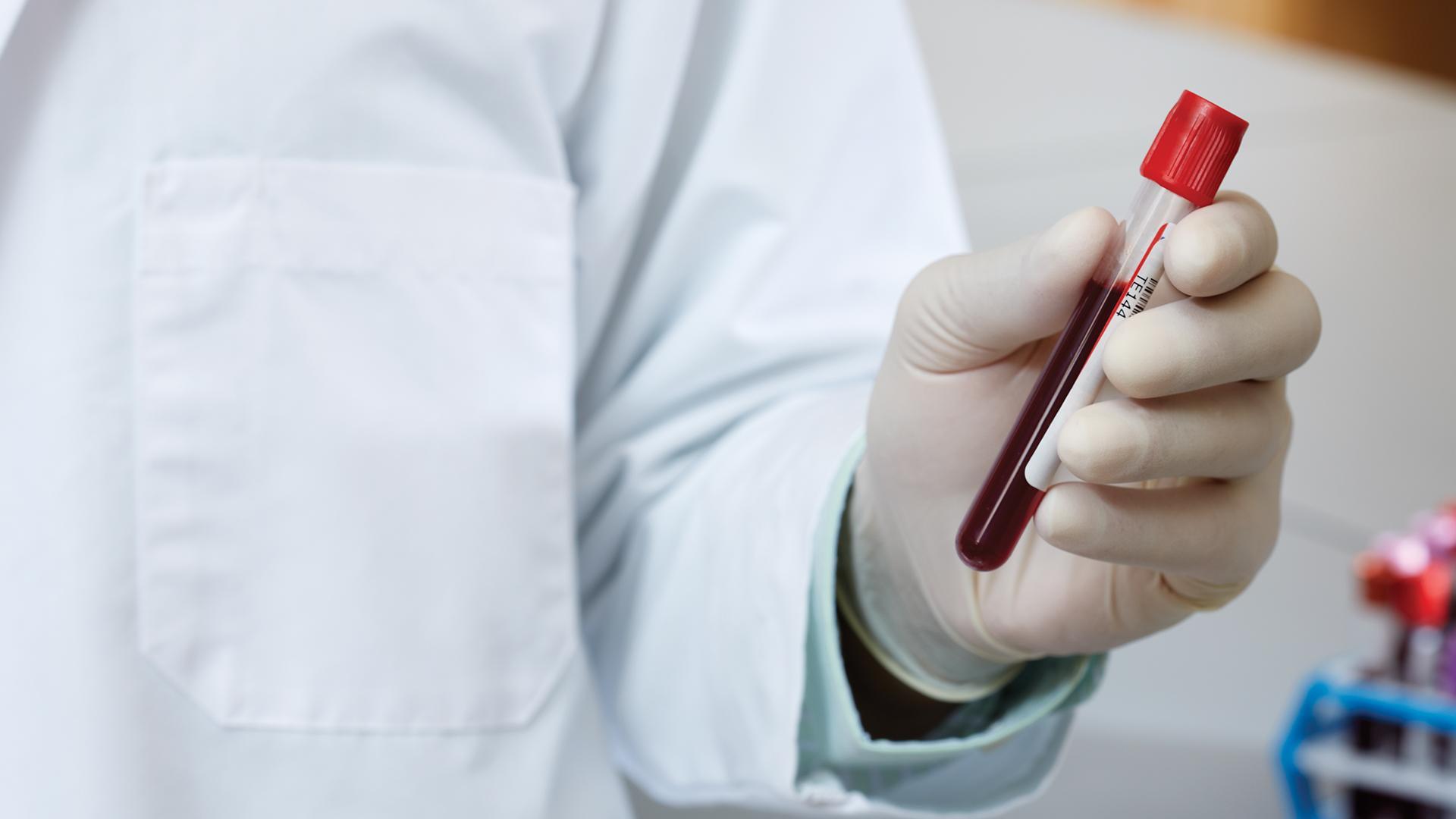
Preparing for a visa blood test may seem simple, but small mistakes can sometimes cause unnecessary stress, delays, or the need to repeat part of the medical examination. Applicants often have questions about fasting, medications, documents, hydration, previous medical records, and what they should or should not do before arriving at the clinic.
The good news is that most preparation mistakes are easy to avoid when you understand what the medical provider actually needs.
A Visa Blood Test Dubai is generally performed as part of an immigration medical examination when required by the applicable visa process. Depending on the relevant requirements, laboratory testing may screen for selected infections or other medical markers. The exact tests and preparation instructions can vary, so applicants should always follow the instructions provided by the authorized medical provider.
This guide explains the most common preparation mistakes and how to avoid them.
Start With the Instructions, Not Assumptions:
One of the biggest mistakes applicants make is assuming that every blood test requires the same preparation.
That is not true.
Some blood tests require fasting, while many infectious disease screening tests do not. Similarly, some medical examinations require specific documents or additional investigations, while others may have different requirements.
Before your appointment, carefully review the instructions from the medical clinic.
Check:
- Appointment date and time
- Identification requirements
- Immigration documents
- Medical history information
- Vaccination records
- Fasting instructions
- Medication instructions
- Previous medical reports
- Any special preparation requirements
If the instructions are unclear, contact the medical provider rather than relying on general advice from friends or online sources.
Fasting Without Being Told to Fast:
Fasting is one of the most common concerns before a blood test.
However, not every visa blood test requires fasting.
Many tests used for infectious disease screening do not require applicants to avoid food beforehand. Fasting may be relevant when other laboratory investigations are included in the medical examination.
The safest approach is to follow the instructions specifically provided for your appointment.
If fasting is required, the clinic should explain how long you need to avoid food and whether water is allowed.
If fasting has not been requested, do not assume that skipping meals will make your results more accurate.
What should you do?
Ask the clinic:
- Do I need to fast?
- How long should I fast?
- Can I drink water?
- Can I take my usual medication?
Getting these answers before your appointment can prevent unnecessary confusion.
Not Drinking Enough Water:
Some applicants avoid drinking water because they believe it might affect blood testing.
In general, ordinary hydration is important for a comfortable blood draw. Being dehydrated can sometimes make veins more difficult to access.
Unless your healthcare provider has specifically instructed you to restrict fluids, maintaining normal hydration is generally sensible.
Water is especially useful if you are required to fast, because fasting instructions may still allow plain water.
However, follow the exact instructions given by your medical provider because preparation requirements can vary according to the tests being performed.
Stopping Prescription Medication on Your Own:
Another common mistake is stopping medication before a medical examination.
Applicants may worry that medicines will interfere with laboratory results, but stopping prescribed treatment without medical advice can create its own problems.
If you regularly take prescription medication, tell the healthcare professional about it.
Provide information about:
- Medication names
- Dosages
- How often you take them
- Any long-term treatments
- Relevant supplements
Do not discontinue prescribed medication simply because you have a visa medical appointment.
If a particular test requires medication adjustments, the medical provider will give you appropriate instructions.
Forgetting Important Documents:
A blood test may take only a short time, but the broader immigration medical examination requires accurate identification and documentation.
Arriving without the necessary paperwork can delay your appointment.
Depending on your medical instructions, you may need:
- Passport or approved identification
- Visa or application information
- Appointment confirmation
- Previous medical reports
- Vaccination documentation
- Prescription information
- Specialist reports
- Other requested forms
Prepare these documents in advance rather than searching for them on the day of the appointment.
Hiding Your Medical History:
Some applicants worry that disclosing previous illnesses, infections, treatments, or medical conditions could negatively affect their visa application.
This can lead them to provide incomplete information.
That is not a good preparation strategy.
The medical provider needs accurate information to interpret laboratory findings and complete the medical examination appropriately.
Relevant medical history may include:
- Previous infectious diseases
- Previous treatment
- Chronic conditions
- Surgeries
- Hospitalizations
- Current medication
- Previous abnormal test results
- Relevant specialist care
Being honest and accurate does not mean that every past health issue will affect your immigration application. It simply allows the healthcare professional to evaluate the medical information correctly.
Ignoring a Recent Possible Exposure:
If the blood test includes infectious disease screening, recent exposure can be medically relevant.
Some infections have a window period, meaning there can be a period after exposure when a particular test may not yet reliably detect infection.
For example, HIV testing methods have different detection characteristics depending on whether they identify antibodies, antigen, or viral genetic material.
If you recently had a possible exposure to HIV, hepatitis, syphilis, or another infection, tell your healthcare provider.
The date and circumstances of exposure can help the provider determine whether additional or repeat testing may be appropriate.
Do not assume that a negative result obtained very soon after an exposure has the same meaning as a result obtained after the relevant detection period.
Taking Supplements or Changing Your Diet Just Before Testing:
Some applicants dramatically change their diet or begin taking supplements shortly before their medical examination because they believe this will improve their blood test results.
There is generally no need to make unnecessary dietary changes for routine visa medical screening.
Do not start or stop supplements simply to try to influence laboratory results.
Instead, follow normal routines unless the medical provider has given you specific instructions.
If you take vitamins, herbal products, or dietary supplements regularly, mention them when providing your medical history.
Arriving Extremely Tired or Stressed:
A visa medical examination can naturally make applicants nervous.
However, excessive stress and lack of sleep can make the appointment more uncomfortable.
If possible, get adequate rest before your examination.
Plan your journey so that you are not rushing to arrive at the clinic.
A calm, organized approach can make the overall process easier.
If you feel faint during blood collection, tell the healthcare professional immediately.
Assuming Every Blood Test Has the Same Purpose:
The phrase "visa blood test" can create the impression that there is one standardized test used for all applicants.
In reality, medical requirements vary.
Depending on the relevant immigration rules, testing may include screening for selected conditions such as:
- HIV
- Hepatitis B
- Hepatitis C
- Syphilis
- Other specified medical conditions
The exact panel depends on the applicable medical protocol.
Understanding the purpose of your test can help you prepare correctly and avoid unnecessary assumptions.
Expecting the Blood Test Alone to Complete the Medical Examination:
A blood sample is only one possible component of an immigration medical assessment.
Depending on the requirements, applicants may also need:
- Physical examination
- Medical history review
- Urine testing
- Chest imaging
- Tuberculosis screening
- Vaccination documentation
- Additional laboratory tests
- Further medical assessment
A blood test result does not necessarily mean that the entire medical examination is complete.
Ask the clinic what other steps remain after your blood sample is collected.
What If You Receive a Reactive Result?
A reactive screening result can be worrying, but it does not automatically represent a confirmed diagnosis.
Screening tests are often designed to identify possible cases that require further investigation.
Depending on the test, the next step may include:
- Repeat testing
- Confirmatory testing
- A different laboratory method
- Medical history review
- Additional medical assessment
For HIV, hepatitis, and syphilis, the interpretation and follow-up process can differ.
Do not attempt to interpret the word "reactive" without knowing which test produced it.
What If the Result Is Inconclusive?
An inconclusive or indeterminate result means that the test did not provide enough information for a definitive interpretation.
Possible reasons include a borderline result, technical factors, sample problems, or the need for supplemental testing.
The provider may request another blood sample or a different test.
An inconclusive result does not automatically mean that you have an infection or that your visa application will be refused.
Can You Exercise Before a Visa Blood Test?
Normal daily activity is generally not a problem for routine blood collection.
However, if your medical provider has given you specific preparation instructions, follow those instructions.
There is no reason to undertake intense exercise simply to try to improve a laboratory result.
The goal is not to manipulate your results but to provide an accurate picture for the tests being performed.
What Should You Eat Before the Appointment?
If fasting is not required, you can generally follow your normal eating routine.
Choose a normal meal rather than making dramatic dietary changes.
If fasting is required, follow the clinic's instructions precisely.
In particular, ask whether:
- Plain water is permitted
- Coffee is permitted
- Tea is permitted
- Chewing gum is permitted
- Supplements should be avoided
Different tests can have different requirements, so personalized instructions from the medical provider are more reliable than general rules.
A Simple Day-Before Preparation Plan:
The day before your appointment, take a few minutes to organize everything.
Review the appointment instructions. Confirm the date, time, location, and preparation requirements.
Prepare your documents. Keep identification, medical records, vaccination information, and other requested paperwork together.
Check medication instructions. Do not make changes unless instructed by a healthcare professional.
Confirm fasting requirements. Never assume that fasting is mandatory.
Stay normally hydrated. Unless you have been told otherwise, avoid unnecessary fluid restriction.
Get enough rest. A good night's sleep can make the appointment more comfortable.
Visa Blood Test Preparation Checklist:
Before leaving for your appointment, ask yourself:
Do I have the required identification?
Do I have my appointment confirmation?
Have I brought requested medical records?
Do I know whether fasting is required?
Have I followed medication instructions?
Have I brought vaccination records if requested?
Have I informed the provider about relevant medical conditions?
Have I mentioned any recent possible exposure?
Am I adequately hydrated if permitted?
Do I know what happens after the blood test?
This simple checklist can prevent many avoidable problems.
Frequently Asked Questions:
Do all visa blood tests require fasting?
No. Fasting depends on the tests included in the medical examination. Follow the instructions provided by the authorized medical provider.
Can I drink water before a blood test?
Often yes, but follow your clinic's instructions, particularly if fasting is required.
Should I stop taking medication?
Do not stop prescribed medication unless your healthcare provider specifically tells you to.
Can I eat before an infectious disease blood test?
Many infectious disease screening tests do not require fasting, but your individual instructions should take priority.
What happens if I forget a document?
Contact the medical provider as soon as possible. Missing documentation may delay part of the examination.
Can a recent infection be missed?
Some infections may not be detectable immediately after exposure because of the window period. Tell your healthcare provider about recent possible exposure.
Does a reactive result mean my visa will be refused?
No. A reactive screening result may require additional testing before its medical significance can be determined.
The Best Preparation Strategy: Accuracy, Not Perfection
The purpose of preparation is not to manipulate your blood test results.
It is to make sure the medical provider has accurate information and can perform the required examination properly.
You do not need complicated detox plans, extreme fasting, unusual diets, or unapproved medication changes.
Instead, focus on four things:
Follow instructions. Use the medical clinic's requirements as your primary guide.
Provide accurate information. Tell the provider about relevant medical history, medications, and recent exposures.
Bring the correct documents. Organize everything before appointment day.
Ask questions. If you are unsure about fasting, medication, hydration, or testing procedures, contact the provider.
Final Thoughts:
Preparing for a visa blood Lab tests does not need to be complicated. Most common mistakes happen because applicants rely on assumptions rather than the instructions provided by their medical provider.
Do not automatically fast, stop medication, avoid water, change your diet, or ignore your medical history. Instead, confirm exactly what your examination requires and prepare your documents ahead of time.
Remember that blood testing may be only one part of a broader immigration medical examination. Depending on the applicable requirements, you may also need a physical assessment, urine testing, chest imaging, tuberculosis screening, vaccination records, or additional laboratory tests.
If your test produces a reactive or inconclusive result, do not immediately assume the worst. Screening results may require confirmation or further evaluation before a final medical interpretation is made.
The simplest rule is also the most useful: follow the authorized medical provider's instructions, be honest about your health history, and ask for clarification whenever something is unclear. Proper preparation can make the testing process smoother and help prevent avoidable delays.

 English
 Arabic
 French
 Spanish
 Portuguese
 Deutsch
 Turkish
 Dutch
Dutch
 Italiano
 Russian
 Portuguese (Brazil)
 Greek
Greek