


What Is Fiberglass? Uses, Types, Benefits and More
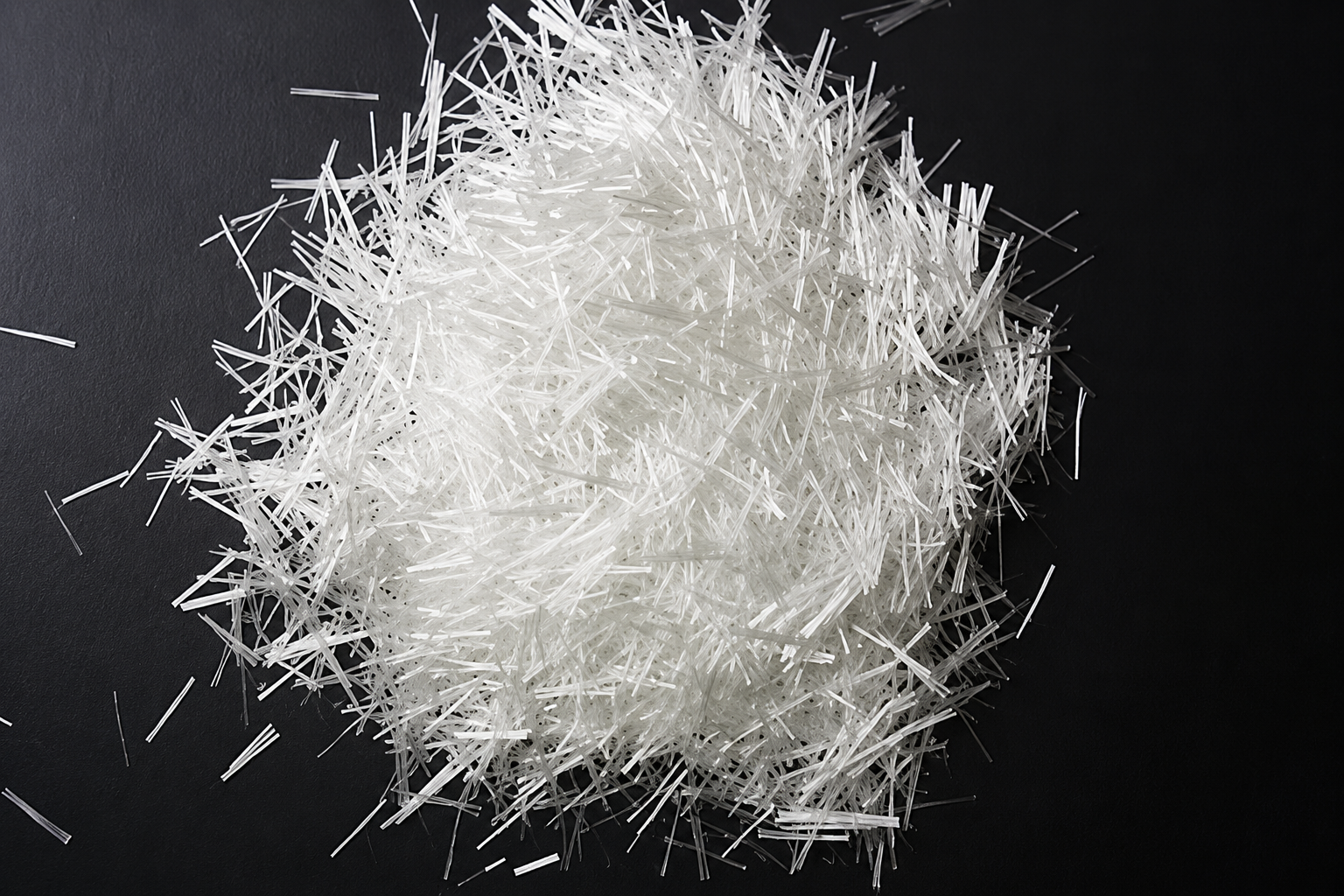
Fiberglass is a versatile material used in construction, transportation, manufacturing, insulation, electronics, marine products, and many other industries. If you are wondering what is fiberglass, it is essentially a material made from extremely fine glass fibers that are combined with a suitable resin or other binding material to create a strong and useful composite. Although glass is commonly associated with being fragile, fiberglass can provide an impressive combination of strength, light weight, durability, and resistance to environmental conditions when it is properly manufactured. Its unique characteristics have made it an important alternative to traditional materials such as metal, wood, and concrete in many applications.
What Is Fiberglass?
Fiberglass is a composite material made by forming very thin strands of glass and combining them with a polymer resin or another binding material. The individual glass fibers provide strength and stiffness, while the surrounding resin holds the fibers together and helps create the final shape of the product. Because the fibers are extremely thin, fiberglass can be manufactured into sheets, fabrics, panels, pipes, tanks, molded components, insulation, and many other forms. The exact properties of fiberglass depend on the type of glass fibers, the resin system, the manufacturing process, and the intended application.
How Is Fiberglass Made?
Fiberglass begins with glass materials that are heated until they become molten and can be drawn into extremely fine continuous fibers. These fibers may then be collected into strands, woven into fabrics, chopped into shorter pieces, or arranged in specific patterns depending on the desired application. When fiberglass is being used as a structural composite, the glass reinforcement is combined with a resin that surrounds and bonds the fibers together. The resulting material can then be shaped and cured to produce a rigid component with useful mechanical and environmental properties.
What Is Fiberglass Made Of?
Fiberglass is primarily made from glass, but the final composite product usually contains more than glass fibers alone. The glass provides the reinforcement, while a resin or binder holds the fibers in position and transfers loads between them. Different resin systems can be used depending on the required performance, including polyester, epoxy, and vinyl ester formulations. Additional materials may also be incorporated during manufacturing to provide particular characteristics such as improved surface quality, chemical resistance, flexibility, fire performance, or weather resistance.
Why Is Glass Used to Make Fiberglass?
Glass is used because it has useful properties that can be maintained in fiber form. Glass fibers offer good tensile strength, stiffness, dimensional stability, and resistance to many environmental conditions. When these fibers are embedded within a suitable resin, their properties can be used to create a lightweight composite material. Turning glass into very fine fibers also allows manufacturers to arrange the reinforcement in directions that match the expected loads of a finished product, making fiberglass highly adaptable for different engineering and manufacturing requirements.
Main Properties of Fiberglass
Fiberglass is valued for its combination of physical, mechanical, and chemical properties. It can provide high strength relative to its weight, good resistance to corrosion, useful electrical insulation, dimensional stability, and resistance to many environmental conditions. Unlike conventional steel components, fiberglass does not rust, which makes it useful in applications exposed to moisture and corrosive environments. Its properties can vary significantly depending on the fiber arrangement, resin type, manufacturing method, and final product design.
Fiberglass Strength and Durability
One of the major advantages of fiberglass is its strength-to-weight relationship. Glass fibers can provide significant tensile strength while the composite remains relatively lightweight compared with many traditional structural materials. Fiberglass can also withstand repeated exposure to moisture and many chemicals without experiencing the type of corrosion associated with ordinary steel. Its durability makes it suitable for components that need to remain functional for extended periods while facing demanding environmental conditions.
Fiberglass Is Lightweight
Fiberglass is generally lighter than many traditional structural materials, which can make transportation, handling, installation, and assembly easier. Its relatively low weight is particularly useful in products where reducing overall mass can improve efficiency or performance. Boats, vehicle components, panels, tanks, pipes, and various manufactured products can benefit from fiberglass because designers can achieve useful structural performance without adding excessive weight.
Fiberglass and Corrosion Resistance
Fiberglass has excellent resistance to rust because it does not contain iron like conventional steel. This characteristic makes fiberglass especially useful in wet, humid, marine, and chemically aggressive environments. Properly selected fiberglass composites can be designed for applications involving water, industrial chemicals, salt exposure, and other challenging conditions. However, the exact level of chemical resistance depends on the resin system and the substances to which the material will be exposed.
Fiberglass Electrical Insulation
Fiberglass is also valued for its electrical insulating properties. Glass itself does not conduct electricity in the same way as metals, making fiberglass useful in electrical and electronic applications where insulation and dimensional stability are important. Fiberglass-reinforced materials can be used in electrical components, equipment housings, structural supports, and other products where electrical resistance is required.
Types of Fiberglass
Different types of fiberglass are available because manufacturers produce glass fibers and composite materials for different performance requirements. Common classifications include different glass compositions and reinforcement forms, while finished fiberglass products may also vary according to the resin and manufacturing technique used. Some fiberglass is designed for general-purpose applications, while specialized forms are developed for higher strength, improved chemical resistance, electrical performance, thermal applications, or specific industrial requirements.
Fiberglass Reinforcement Forms
Fiberglass reinforcement can be produced in several forms, including continuous strands, woven fabrics, chopped strands, mats, and specialized directional arrangements. Woven fiberglass fabrics contain fibers arranged in a structured pattern, while chopped strand materials contain shorter fibers distributed through a mat or compound. The form of reinforcement affects the strength, flexibility, appearance, and manufacturing characteristics of the finished composite, allowing fiberglass products to be tailored for different applications.
Common Uses of Fiberglass
Fiberglass is used across many industries because it combines strength, low weight, durability, and resistance to environmental conditions. It can be found in building materials, roofing products, insulation, pipes, storage tanks, boats, automotive components, sports equipment, electrical products, industrial equipment, and decorative structures. Its versatility allows manufacturers to create both simple products and highly engineered components from the same basic glass-fiber technology.
Fiberglass in Construction
The construction industry uses fiberglass in a variety of applications. Fiberglass-reinforced panels, roofing materials, doors, architectural components, pipes, tanks, and insulation products are common examples. Fiberglass can be particularly useful where resistance to moisture, corrosion, and weathering is important. Its relatively low weight can also simplify installation and transportation compared with some heavier construction materials.
Fiberglass Insulation
Fiberglass insulation is one of the most familiar forms of fiberglass used in buildings. It consists of fine glass fibers arranged to trap air, helping reduce heat transfer through walls, ceilings, floors, and other building areas. Properly installed fiberglass insulation can improve energy efficiency and indoor comfort by reducing the movement of heat between interior and exterior spaces. Because insulation products are specifically designed for building applications, their handling and installation should follow appropriate safety practices.
Fiberglass in Automotive Applications
Fiberglass composites are used in automotive and transportation applications where manufacturers want to reduce weight while maintaining useful strength and durability. Components such as body panels, covers, structural parts, and specialty vehicle components may be produced using fiberglass-reinforced materials. Reducing component weight can contribute to improved vehicle efficiency, while the composite's resistance to corrosion can provide additional advantages in suitable applications.
Fiberglass in Boats and Marine Products
Fiberglass has become widely associated with boat construction because it performs well in many marine environments. Fiberglass boats can offer a useful balance of strength, weight, durability, and resistance to moisture. The material can also be molded into complex shapes, allowing manufacturers to create smooth hulls and other components. Proper resin selection and manufacturing quality are important because marine structures are continuously exposed to water, sunlight, temperature changes, and mechanical stresses.
Fiberglass in Pipes and Storage Tanks
Fiberglass-reinforced plastic is commonly used for pipes, tanks, ducts, and other equipment that may be exposed to moisture or corrosive substances. Compared with some conventional metal systems, fiberglass can offer strong corrosion resistance and lower maintenance requirements in appropriate environments. These products are often designed according to the chemical, pressure, temperature, and structural conditions expected during operation.
Advantages of Fiberglass
Fiberglass offers several advantages that explain its popularity across different industries. It can provide high strength with relatively low weight, resistance to rust, useful chemical resistance, electrical insulation, dimensional stability, and design flexibility. It can also be molded into complex shapes, making it suitable for products that would be difficult or expensive to manufacture from certain traditional materials. The exact benefits depend on the design and composition of the final fiberglass product.
Limitations of Fiberglass
Although fiberglass has many advantages, it is not suitable for every application. Some fiberglass composites can be damaged by severe impact, excessive heat, unsuitable chemicals, or prolonged exposure to certain environmental conditions. Surface damage may expose fibers, and cutting or sanding fiberglass can produce fine particles that require appropriate protective measures. Fiberglass also behaves differently from metals under certain loading conditions, so engineers need to select the appropriate composite design for each application.
Is Fiberglass Waterproof?
Fiberglass itself can be highly resistant to water, and properly manufactured fiberglass composites can perform well in wet environments. However, saying that every fiberglass product is completely waterproof would be inaccurate because the overall performance depends on the resin, construction, joints, coatings, and manufacturing quality. Properly designed fiberglass products can provide excellent moisture resistance, which is why the material is commonly used in boats, tanks, pipes, bathrooms, and outdoor structures.
Is Fiberglass Safe?
Fiberglass products can be safely used when they are properly manufactured, installed, and handled. However, loose fiberglass fibers can irritate the skin, eyes, and respiratory system during cutting, sanding, handling, or installation. Appropriate protective clothing, gloves, eye protection, and respiratory protection may be recommended for certain tasks. Once fiberglass is properly enclosed or incorporated into a finished product, exposure conditions are generally different from those during fabrication or installation.
Fiberglass vs Traditional Materials
Fiberglass is often compared with steel, aluminum, wood, and other conventional materials. Its major advantages include low weight, corrosion resistance, electrical insulation, and manufacturing flexibility. Metals may provide advantages in areas such as extreme heat resistance, impact behavior, or specific structural applications, while wood may offer aesthetic and renewable-material benefits in certain uses. The best material depends on the specific requirements of the project, including strength, weight, environment, cost, maintenance, and expected service life.
Environmental Considerations of Fiberglass
Environmental performance is an increasingly important consideration when selecting construction and manufacturing materials. Fiberglass products can have a long service life, which may reduce the need for frequent replacement in suitable applications. However, many fiberglass composites are difficult to recycle compared with materials such as metals, and disposal can present challenges. Manufacturers and researchers continue to explore improved recycling methods and alternative resin systems to make composite materials more sustainable.
How to Maintain Fiberglass Products
Proper maintenance can help extend the service life of fiberglass products. Regular cleaning, inspection for cracks or surface damage, and prompt repair of damaged areas can help preserve performance. Fiberglass surfaces should be cleaned using products appropriate for the specific resin and finish. Harsh chemicals, excessive abrasion, and improper repair techniques may damage the surface. Following the manufacturer's maintenance recommendations is generally the best approach for specialized fiberglass products.
Frequently Asked Questions About Fiberglass
What is fiberglass?
Fiberglass is a composite material made using very fine glass fibers combined with a resin or binder. It is known for being relatively lightweight, strong, durable, corrosion resistant, and adaptable to many applications.
What is fiberglass made from?
Fiberglass reinforcement is made primarily from glass that has been melted and drawn into extremely fine fibers. Finished fiberglass composites usually combine these fibers with a resin system that holds the reinforcement together.
Is fiberglass stronger than steel?
Fiberglass and steel have different properties, so one cannot always be described as simply stronger than the other. Fiberglass offers an excellent strength-to-weight ratio and corrosion resistance, while steel can provide very high strength and stiffness in many structural applications.
Is fiberglass better than plastic?
Fiberglass is itself commonly used as reinforcement within a polymer composite. Compared with ordinary unreinforced plastic, fiberglass-reinforced materials can provide substantially greater strength, stiffness, dimensional stability, and durability.
Where is fiberglass commonly used?
Fiberglass is commonly used in construction materials, insulation, boats, pipes, storage tanks, automotive components, electrical products, industrial equipment, roofing products, and many molded composite applications.
Does fiberglass rust?
Fiberglass does not rust because its glass reinforcement does not undergo the iron-based corrosion associated with steel. However, other components, fittings, fasteners, or embedded materials in a fiberglass product may still be susceptible to corrosion.
Can fiberglass withstand water?
Properly manufactured fiberglass composites can provide excellent resistance to water and moisture. This makes them useful for marine products, tanks, pipes, bathrooms, and outdoor applications.
Can fiberglass break?
Fiberglass can crack, fracture, or become damaged under sufficient impact, excessive stress, improper design, or harsh conditions. Its performance depends on the fiber arrangement, resin system, thickness, manufacturing quality, and application.
Is fiberglass used for insulation?
Yes. Fiberglass insulation uses fine glass fibers to trap air and reduce heat transfer. It is widely used in buildings to support thermal insulation and improve indoor energy efficiency.
Why is fiberglass so popular?
Fiberglass is popular because it combines useful strength, low weight, corrosion resistance, electrical insulation, durability, and design flexibility. These characteristics make it suitable for a broad range of residential, commercial, industrial, and transportation applications.
Conclusion
Understanding what is fiberglass helps explain why this material has become so important across modern construction, manufacturing, transportation, marine, electrical, and industrial applications. Fiberglass combines extremely fine glass fibers with a suitable resin or binder to create a versatile composite that can provide strength, durability, low weight, corrosion resistance, and design flexibility. From insulation and building panels to boats, pipes, tanks, vehicles, and specialized industrial components, fiberglass can be adapted to many different requirements.
While fiberglass has some limitations and requires appropriate handling during fabrication and installation, its overall combination of useful properties makes it an important engineering and construction material. Selecting the right type of fiberglass, resin, reinforcement structure, and manufacturing method is essential for achieving the desired performance. With proper design, installation, and maintenance, fiberglass products can provide reliable and long-lasting service in a wide range of environments.

 Arabic
 French
 Spanish
 Portuguese
 Deutsch
 Turkish
 Dutch
Dutch
 Italiano
 Russian
 Romaian
 Portuguese (Brazil)
 Greek
Greek