


How an AgriMove Clone Connects Farms, Transporters, Warehouses, and Buyers
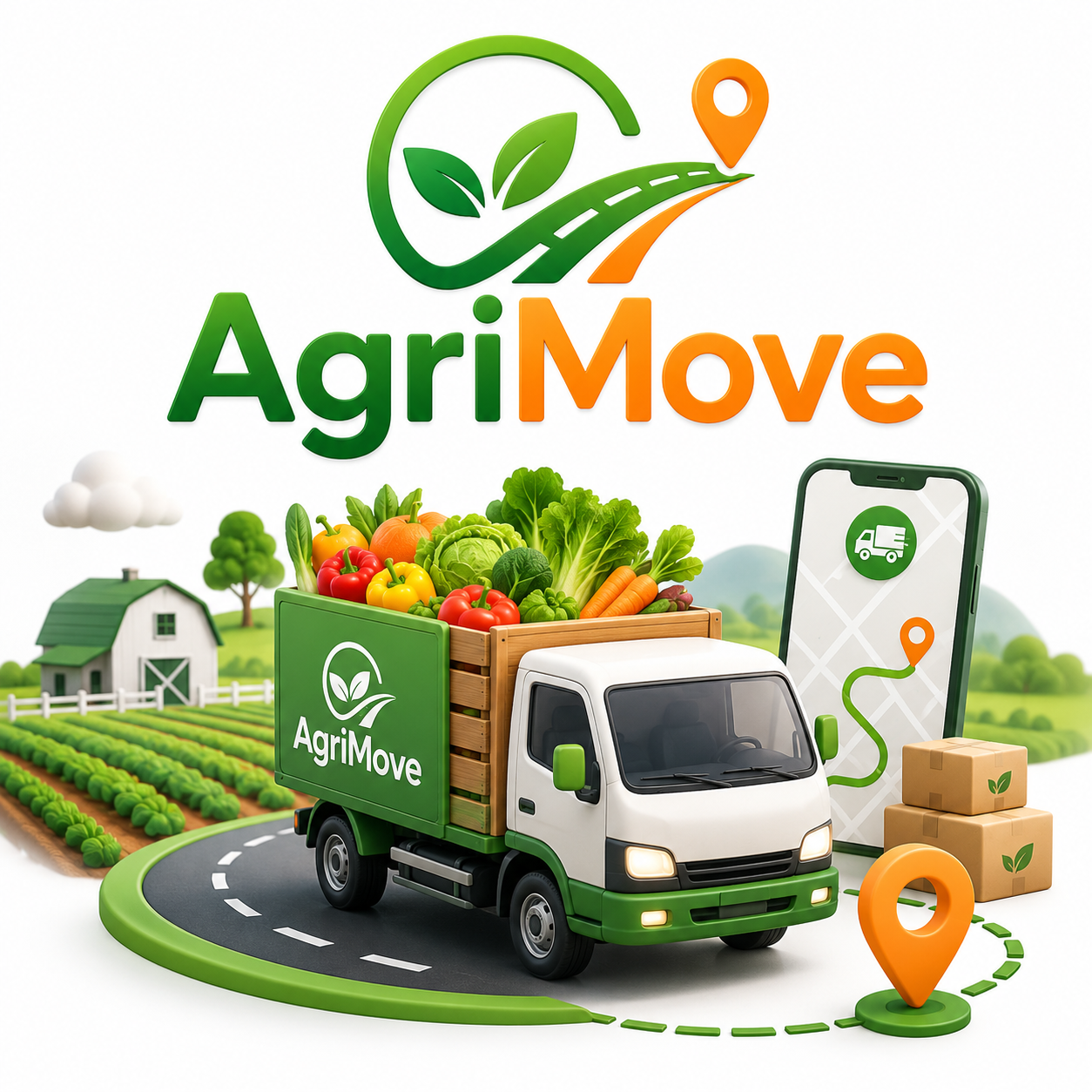
Agricultural logistics involves much more than moving produce from one location to another. Farmers need reliable transportation after harvest, transporters need clear load information, warehouses need visibility into incoming shipments, and buyers need confidence that products will arrive at the expected quality and time. When these activities are managed through phone calls, spreadsheets, and disconnected systems, delays and operational gaps become difficult to avoid.
An AgriMove Clone provides a digital framework for connecting these different participants through one agricultural logistics platform. It can bring transportation requests, load coordination, vehicle allocation, shipment tracking, warehouse operations, quality information, payments, and administrative controls into a connected workflow.
For founders and agricultural businesses, the opportunity is not simply to digitize transportation. The larger objective is to create visibility across the complete farm-to-market journey so every participant understands what is happening and what they need to do next.
Why Agricultural Logistics Needs Better Digital Coordination
Agricultural supply chains operate differently from many traditional logistics networks. Produce may be seasonal, perishable, quality-sensitive, and dependent on narrow pickup and delivery windows. A delay that would be inconvenient in another industry can directly affect the commercial value of agricultural goods.
A farmer may have produce ready for collection but no clear information about when a vehicle will arrive. A transporter may receive incomplete information about quantity, location, or delivery requirements. A warehouse may not know exactly when a shipment will reach its facility. Buyers may have limited visibility into the status of the goods they are expecting.
Digital coordination creates a shared operational layer where these activities can be managed more consistently.
An AgriMove Clone can provide this foundation by connecting users, transportation workflows, tracking, delivery records, and administrative processes within the same ecosystem.
Moving Beyond Phone-Based Transport Management
Many agricultural logistics operations still depend heavily on calls and messaging applications. These tools are convenient for individual conversations, but they become difficult to manage when a business handles multiple farmers, transporters, warehouses, routes, and deliveries every day.
Important information can easily become fragmented.
One employee may know which driver accepted a load, while another person has the payment information. The farmer may have called a separate coordinator, and the warehouse may be waiting for an arrival update that was never shared.
Creating One Operational Record
A digital agricultural logistics platform can create a common record for each shipment.
The record may contain the pickup location, destination, produce category, load quantity, assigned vehicle, driver information, expected delivery time, shipment status, and payment details.
Instead of repeatedly asking different participants for updates, authorized users can access the information directly through their relevant interface.
This makes operational communication easier while reducing dependence on manual follow-ups.
Connecting Farmers With Available Transportation
Transportation availability is one of the most important parts of farm-to-market logistics.
Farmers or collection centers need vehicles at the right time, especially when handling products that cannot remain at the farm indefinitely after harvest.
A digital platform can make the transportation request process more structured.
Creating Clear Pickup Requests
Farmers can submit transport requirements with relevant information such as origin, destination, commodity, expected quantity, preferred pickup time, and vehicle requirements.
Transport providers can then evaluate available opportunities and respond based on their fleet capacity.
This creates greater transparency compared with repeatedly contacting individual drivers or transport companies.
Improving Vehicle Utilization
Transporters also benefit from improved visibility.
When available loads are clearly organized, fleet operators can plan vehicle utilization more effectively and reduce unnecessary idle time.
Better coordination does not automatically eliminate empty runs, but it provides the data required to make smarter dispatch decisions.
Fleet and Driver Management in an AgriMove Clone
Transportation businesses require more than basic load matching.
Once a load is accepted, the platform needs to support the operational journey from vehicle assignment to final delivery.
The right AgriMove features can support fleet managers with structured vehicle and driver management while giving agricultural businesses better visibility into shipment movement.
Vehicle Information
Fleet operators can maintain digital profiles for vehicles, including capacity, vehicle category, availability, registration information, and operational status.
When transportation requests arrive, dispatch teams can identify appropriate vehicles without relying entirely on offline records.
Driver Assignment and Trip Updates
Drivers can receive assigned trip information through their application.
Relevant information may include pickup details, navigation, contact information, delivery location, and shipment instructions.
Throughout the journey, drivers can update trip status so stakeholders understand whether a shipment has been accepted, picked up, is in transit, or has reached its destination.
This reduces the number of manual status calls required during transportation.
Real-Time Tracking Improves Supply Chain Visibility
Location visibility is valuable in almost every logistics business, but it becomes especially important when moving agricultural products.
Farmers want to know whether their goods have been collected. Buyers want to understand expected arrival times. Operations teams need to identify delays before they create larger problems.
Tracking Shipment Progress
GPS-enabled tracking can provide location updates during active transportation.
The goal is not simply displaying a vehicle on a map. Location data can help businesses identify delays, estimate arrival times, communicate with warehouses, and respond when a vehicle deviates significantly from the expected route.
Better visibility can also improve customer support because teams have access to real shipment information when buyers or farmers request updates.
Warehouse Coordination Should Be Part of the Workflow
Agricultural logistics does not always end when a truck reaches its destination.
Goods may move through collection centers, warehouses, cold storage facilities, sorting locations, or processing centers before reaching the final buyer.
This means warehouse coordination should connect with transportation rather than operate as an isolated process.
Preparing for Incoming Shipments
When warehouse teams can see expected arrivals, they can plan unloading areas, storage capacity, staff, and handling requirements more effectively.
Incoming shipment information also creates a clearer connection between what left the farm and what entered the warehouse.
Maintaining Product Traceability
Traceability becomes particularly important for graded, perishable, or quality-sensitive products.
Digital records can associate shipments with product details, movement history, storage information, and delivery records.
This creates a more organized operational history than keeping transportation and warehouse documentation in separate systems.
Cold Chain Visibility for Perishable Agricultural Goods
Fresh produce, dairy, seafood, and other temperature-sensitive agricultural products may require controlled storage and transportation.
In these situations, logistics management needs to consider product condition in addition to location.
Monitoring Conditions During Transportation
When compatible sensors or telematics systems are available, temperature information can be connected to the logistics platform.
Operations teams can then identify unusual conditions during transportation instead of discovering quality problems only after delivery.
Notifications can also help teams respond when monitored conditions move outside defined operational thresholds.
For founders planning a specialized agricultural logistics business, this type of functionality should be introduced where the commodity and customer requirements justify the additional operational complexity.
Quality Checks Connect Logistics With Buyer Expectations
Agricultural buyers may evaluate products based on weight, appearance, grade, moisture, temperature, or other commodity-specific standards.
If quality information remains disconnected from the logistics workflow, disputes can become difficult to resolve.
Digital Quality Records
Warehouse or quality teams can record inspection results when products arrive at relevant checkpoints.
Photos, grades, quantities, timestamps, and notes can become part of the shipment record.
This creates better visibility for farmers, operators, and buyers while providing a clearer history if a disagreement occurs later.
Quality management is particularly important when the platform serves multiple independent parties that need confidence in how products are handled.
Proof of Delivery Helps Close the Logistics Loop
A shipment should not simply disappear from the system once the vehicle reaches its destination.
The platform needs a clear method for confirming that delivery actually occurred.
Digital proof of delivery may include confirmation from the receiving party, timestamps, photographs, quantities, signatures, or other relevant evidence.
This information can then trigger the next operational step, such as invoice processing or settlement.
Payments and Settlements Need Structured Workflows
Agricultural logistics can involve several financial relationships.
Farmers, transportation providers, warehouse operators, intermediaries, and platform operators may each need to receive or pay different amounts.
Managing these transactions manually becomes increasingly difficult as shipment volume grows.
Connecting Transactions With Completed Work
A digital platform can associate payments with actual loads, services, and completed deliveries.
This gives participants clearer visibility into pending and completed transactions.
Instead of reconciling unrelated spreadsheets at the end of the month, operators can maintain financial records connected directly to platform activity.
For founders evaluating monetization options, understanding the business model is important because agricultural logistics platforms can generate revenue in different ways depending on their role in the supply chain.
How an Agricultural Logistics Platform Can Generate Revenue
There is no single monetization strategy that works for every market.
Some operators may primarily act as load marketplaces, while others may provide technology to transportation businesses or manage a broader supply chain network.
Transaction commissions are one possible model. The platform can receive a percentage or fixed fee when transportation is successfully completed.
Subscription plans can also work for transporters, warehouses, buyers, or other professional users that require advanced tools.
Businesses may additionally charge for premium logistics services, priority matching, specialized cold chain transportation, analytics, or operational support.
The important point is that monetization should be connected to genuine platform value. Charging users before the system delivers meaningful operational benefits can make adoption more difficult.
The Role of the Admin Dashboard
Behind every customer-facing logistics platform is an administrative layer responsible for maintaining control.
The admin dashboard allows the operator to understand what is happening across the network rather than depending on separate user applications.
Centralized Operational Control
Administrators may need visibility into farmers, transporters, drivers, warehouses, loads, payments, disputes, documents, and platform activity.
They should also be able to review accounts, manage permissions, configure operational rules, and respond when something goes wrong.
Miracuves can customize these controls according to the specific roles and workflows required by an agricultural logistics operator.
A marketplace connecting independent farmers and transporters may need different admin rules from a private agricultural company managing its own fleet and distribution network.
Designing for Rural Connectivity
Agricultural logistics often operates outside locations with reliable high-speed internet.
A platform that works perfectly in an office may become difficult to use when drivers or field teams move through areas with unstable network coverage.
Keep Field Workflows Practical
Important driver and farmer actions should be designed with real operating conditions in mind.
Interfaces should be simple, unnecessary data usage should be minimized, and critical workflows should not require users to navigate through complicated screens.
Where appropriate, offline-friendly behavior can allow actions to be recorded locally and synchronized when connectivity returns.
Miracuves considers these operational conditions important because agricultural technology needs to work where the actual transportation and collection activities happen, not just during demonstrations.
Why Customization Matters for Different Agricultural Markets
Agricultural logistics is not identical across regions or commodities.
A platform serving fresh vegetables may require different workflows from one handling grain, dairy, livestock products, or export-focused produce.
Transportation distances, warehouse infrastructure, payment methods, languages, documentation, and operational roles can also vary.
For this reason, founders should avoid treating an AgriMove-style solution as a fixed product that must operate the same way everywhere.
Customization should focus on the differences that genuinely affect the business.
A regional platform may need local languages and specific payment integrations. A cold-chain operator may prioritize temperature monitoring. A marketplace for bulk agricultural commodities may focus more heavily on load matching, quantity verification, and settlement.
Start With the Real Farm-to-Market Workflow
Before adding advanced functionality, founders should map how agricultural goods actually move through their target market.
Identify who requests transportation, who accepts the request, who assigns the driver, where quality is checked, whether goods enter a warehouse, who confirms delivery, and how each participant gets paid.
Once this workflow is clear, technology decisions become easier.
The first version of the platform does not need every possible agricultural technology feature. It needs the features required to complete a reliable transaction from beginning to end.
Miracuves can use this workflow-driven approach to adapt an AgriMove Clone around the operational requirements of a particular logistics business instead of adding features simply because they appear impressive.
Final Thoughts
Agricultural logistics platforms create value when they reduce operational uncertainty between farms and buyers.
A well-planned AgriMove Clone can connect farmers, FPOs, transporters, drivers, warehouses, quality teams, buyers, and administrators through a shared digital workflow. Transportation requests become easier to coordinate, shipment movement becomes more visible, warehouse teams can prepare for arrivals, and delivery records can connect directly with settlements.
The key is to think beyond simple vehicle booking.
Agricultural supply chains involve movement, timing, quality, storage, documentation, and payments. These processes need to work together if a digital platform is going to deliver meaningful value.
For founders, the strongest starting point is therefore not a long feature list. It is a clear understanding of the real farm-to-market journey, the operational problems faced by each participant, and the points where digital coordination can remove unnecessary friction.
When those workflows are translated into a practical platform, an AgriMove Clone can become more than a transportation application. It can become the operational infrastructure connecting agricultural supply with reliable logistics and market demand.

 English
 Arabic
 French
 Spanish
 Portuguese
 Deutsch
 Turkish
 Dutch
Dutch
 Italiano
 Russian
 Portuguese (Brazil)
 Greek
Greek