


Class O Acoustic Foam Sheets Explained
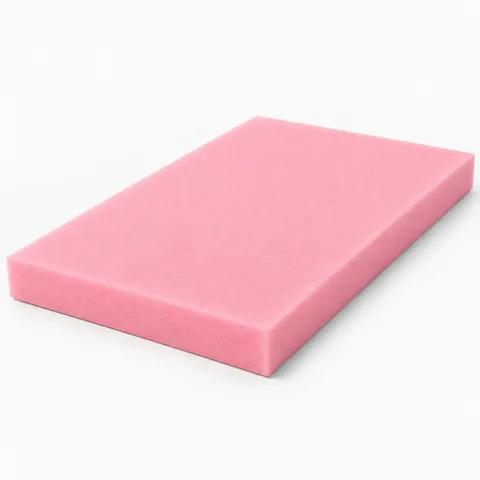
Class O Acoustic Foam Sheets: A Complete Guide
Managing sound inside a room can improve comfort, communication, and productivity. Whether it is a recording studio, office, classroom, or commercial building, controlling unwanted noise helps create a better environment.
Acoustic materials are designed to reduce sound reflections and improve how sound behaves within a space. Choosing the right type of foam depends on the room purpose, safety requirements, and acoustic goals.
Different foam products offer different levels of performance. Factors such as thickness, structure, fire rating, and placement all affect how effectively a material supports sound management.
Class O acoustic foam sheets are specially designed acoustic materials that meet Class O fire performance standards while helping manage sound reflections. They are commonly used in areas where both acoustic improvement and safety considerations are important.
What Are Class O Acoustic Foam Sheets?
Class O acoustic foam sheets are sound-absorbing panels made from specially developed foam materials. They help reduce echoes and control excessive noise by absorbing sound energy rather than allowing it to bounce around a room.
The Class O rating refers to fire performance classification under UK building regulations. This makes these foam sheets suitable for applications where fire safety requirements are an important consideration.
They are often selected for professional and commercial environments where acoustic control must work alongside safety standards.
How Do Acoustic Foam Sheets Work?
Reducing Sound Reflections
When sound waves hit hard surfaces such as walls, ceilings, and floors, they can reflect back into the room and create echoes. Acoustic foam helps absorb some of these reflections.
This creates clearer sound and improves the overall acoustic quality of the space.
Improving Room Sound Quality
Acoustic foam does not completely block sound from entering or leaving a room. Instead, it helps control internal sound behaviour by reducing reverberation.
This makes conversations clearer and improves audio quality for activities such as recording, meetings, and presentations.
Where Are Class O Acoustic Foam Sheets Used?
Recording Studios and Media Rooms
Studios often require controlled acoustics to capture clean audio. Foam sheets can help reduce unwanted reflections and create a more balanced sound environment.
They are useful around walls and other areas where sound treatment is needed.
Offices and Meeting Spaces
Busy workplaces can experience noise problems caused by conversations, equipment, and movement. Acoustic foam can help reduce sound distractions and create more comfortable working areas.
Better acoustic conditions can support clearer communication during meetings and calls.
Educational and Commercial Buildings
Schools, training rooms, theatres, and public spaces often need effective sound control. Class O acoustic foam sheets can provide acoustic support while meeting important safety requirements.
Benefits of Using Class O Acoustic Foam Sheets
Better Sound Control
One of the main benefits of acoustic foam is improved sound clarity. By reducing echoes and unwanted reflections, it helps create a more balanced listening environment.
This is useful in rooms where communication or audio quality matters.
Fire Performance Benefits
The Class O rating provides an added safety advantage for suitable applications. It indicates that the material meets specific fire performance criteria, making it a preferred option in many regulated environments.
Flexible Installation Options
Acoustic foam sheets are available in different sizes and designs. They can be installed in various locations depending on the needs of the room.
This flexibility makes them suitable for many acoustic improvement projects.
Choosing the Right Acoustic Foam Solution
Before selecting acoustic foam, consider the size of the room and the type of sound issue. A small office may need a different approach compared to a large studio or commercial hall.
The thickness and placement of foam panels can affect performance. Professional advice may be useful for complex spaces where precise acoustic control is required.
Material quality is also important. Reliable foam products provide more consistent performance and better long-term value.
About AllFoam
AllFoam offers a range of foam solutions designed for different industrial, commercial, and creative applications. The brand focuses on providing practical foam materials that meet varied project requirements.
With attention to product quality and customer needs, allFoam supports projects where comfort, performance, and reliable materials matter.
Tips for Installing Acoustic Foam Sheets
Correct placement can make a noticeable difference in acoustic results. Identify areas where sound reflections are strongest before installing foam panels.
Avoid covering every surface unnecessarily. A balanced approach often provides better sound control while maintaining the room's natural feel.
Regularly checking the condition of installed foam can also help maintain its appearance and performance over time.
Conclusion
Class O acoustic foam sheets provide a practical solution for improving sound quality while considering fire performance needs. They help reduce echoes, control sound reflections, and create more comfortable environments.
From studios and offices to educational and commercial spaces, choosing the right acoustic material can improve how a room sounds and feels. Understanding the purpose, installation needs, and safety requirements helps achieve better results.
FAQs
Do Class O acoustic foam sheets block outside noise?
No, acoustic foam mainly absorbs sound reflections inside a room. It improves sound quality but is not designed as a complete soundproofing barrier.
Are Class O acoustic foam sheets suitable for commercial buildings?
Yes, they can be suitable for many commercial applications where sound control and fire performance requirements are important. Always check project-specific regulations before installation.
Where should acoustic foam sheets be installed?
Acoustic foam sheets are commonly installed on walls, ceilings, and reflection points where unwanted echoes or sound issues occur. The best placement depends on the room design and acoustic needs.

 English
 Arabic
 French
 Portuguese
 Deutsch
 Turkish
 Dutch
Dutch
 Italiano
 Russian
 Romaian
 Portuguese (Brazil)
 Greek
Greek