


Enhancing Business Growth and Efficiency with POS Systems
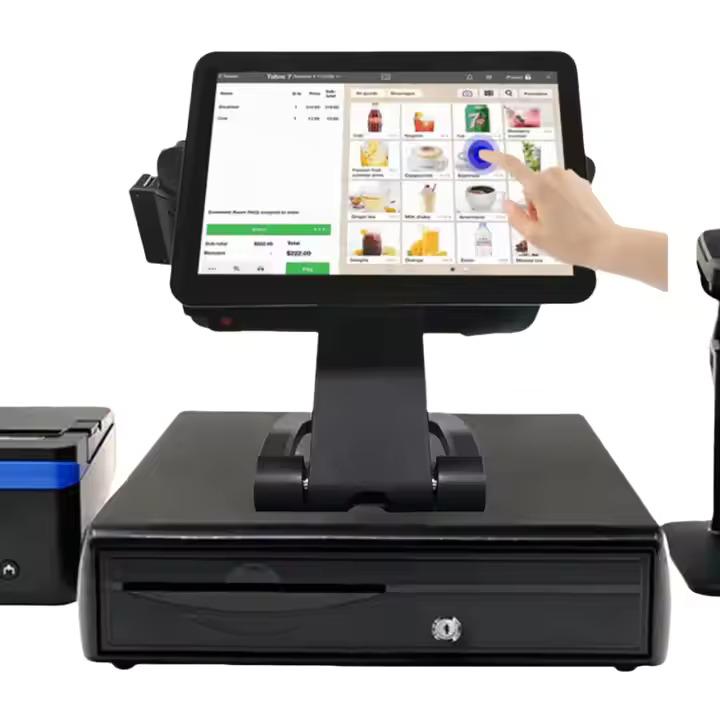
POS System for Business Growth and Efficiency Guide
A POS system is one of the most important tools for modern businesses that want to improve sales operations, manage inventory, and enhance customer experience. Whether used in retail stores, restaurants, or service-based businesses, a POS system helps automate transactions and provides real-time business insights that support better decision-making.
What Is a POS System
A POS system, short for Point of Sale system, is a combination of hardware and software used to process sales transactions. It replaces traditional cash registers and allows businesses to manage billing, payments, and inventory from a single platform.
A typical POS system includes a computer or tablet, barcode scanner, cash drawer, receipt printer, and specialized software. Many modern systems are cloud-based, allowing business owners to access sales data remotely and manage operations from anywhere.
Why POS Systems Matter in Business
In today’s fast-moving business environment, efficiency and accuracy are essential. A POS system helps reduce manual errors, speeds up transactions, and improves overall workflow. Instead of manually recording sales, everything is automated and stored digitally.
This automation also helps in inventory control. Whenever a product is sold, the system automatically updates stock levels, helping businesses avoid shortages or overstock situations. This level of control is especially important for growing businesses that handle large volumes of products.
Customer experience also improves significantly with a POS system. Faster checkout times, multiple payment options, and accurate billing create a smoother shopping experience, encouraging repeat customers.
Features of a Modern POS System
Modern POS systems come with a wide range of features that go beyond simple billing. One of the most important features is sales tracking, which allows business owners to monitor daily, weekly, and monthly performance in real time.
Inventory management helps businesses track product levels and automatically alerts them when stock is running low. This ensures that businesses never miss a sales opportunity due to unavailable products.
Customer relationship management is another valuable feature. It allows businesses to store customer data, track purchase history, and offer personalized promotions based on buying behavior.
Tools for reporting and analytics offer comprehensive insights into the performance of businesses.These reports help business owners understand trends, identify best-selling products, and improve overall strategy.
Global Trends in POS Technology
Businesses are increasingly exploring global retail technology trends, including the rise of modern checkout solutions and how different markets operate efficiently.
For example, growing interest in point of sale systems ireland shows how businesses are adopting advanced POS technology to improve transaction speed, inventory control, and overall customer experience.
Types of POS Systems
There are several types of POS systems available depending on business needs. Traditional systems are installed on local servers and are often used by larger businesses that require full control over their data.
These days, cloud-based point-of-sale systems are more common and adaptable. They allow users to access data from any device with an internet connection and offer automatic updates without manual intervention.
Mobile POS systems are designed for flexibility and portability. These systems run on smartphones or tablets and are ideal for small businesses, pop-up shops, and delivery services.
Benefits of Using a POS System
A POS system offers many advantages for businesses of all sizes. One of the main benefits is increased efficiency. By automating billing and inventory tracking, businesses can save time and reduce operational workload.
Financial management also becomes easier. POS systems provide accurate sales records and detailed reports, helping business owners track revenue and expenses with ease.
Improved customer experience is another major benefit. Faster transactions, loyalty programs, and personalized offers help businesses build stronger relationships with their customers.
Security is also enhanced, as modern POS systems include encryption and secure payment processing features that protect sensitive data.
Industries That Use POS Systems
POS systems are extensively utilized in numerous sectors.In retail, they help manage sales, inventory, and customer data efficiently.
Restaurants use POS systems to handle orders, billing, and kitchen coordination. This ensures smooth communication between staff and faster service delivery.
In hospitality, hotels rely on POS systems for managing bookings, room service, and guest billing. This improves overall operational efficiency.
Service-based industries such as salons, gyms, and repair shops also use POS systems to manage appointments, payments, and customer records.
How to Choose the Right POS System
Choosing the right POS system depends on business size, budget, and operational needs. Small businesses often prefer simple and affordable systems, while larger enterprises require advanced features and scalability.
Ease of use is very important. A user-friendly interface ensures that staff can quickly learn the system without extensive training.
Scalability is another key factor. As the business grows, the POS system should be able to handle increased transactions and additional features.
Integration capabilities are also important. The system should work seamlessly with accounting software, e-commerce platforms, and payment gateways.
Future of POS Systems
The future of POS systems is being shaped by technology such as artificial intelligence, cloud computing, and automation. These advancements are making systems smarter and more efficient.
AI-powered POS systems can analyze customer behavior and suggest personalized offers, helping businesses increase sales. Contactless payments and mobile wallets are also becoming more common, making transactions faster and more convenient.
As technology continues to evolve, POS systems will become more intelligent and integrated, offering deeper insights and better automation for businesses.
Wrap-Up
A POS system is more than just a tool for processing payments; it is a complete business management solution. From sales tracking and inventory control to customer engagement and analytics, it plays a key role in modern business success.By adopting the right POS system, businesses can improve efficiency, enhance customer satisfaction, and stay competitive in an increasingly digital marketplace.Review this for a more detailed explanation.

 English
 Arabic
 French
 Spanish
 Portuguese
 Deutsch
 Turkish
 Italiano
 Russian
 Romaian
 Portuguese (Brazil)
 Greek
Greek