


Material and Engineering Thinking in Modern Container Mould Development
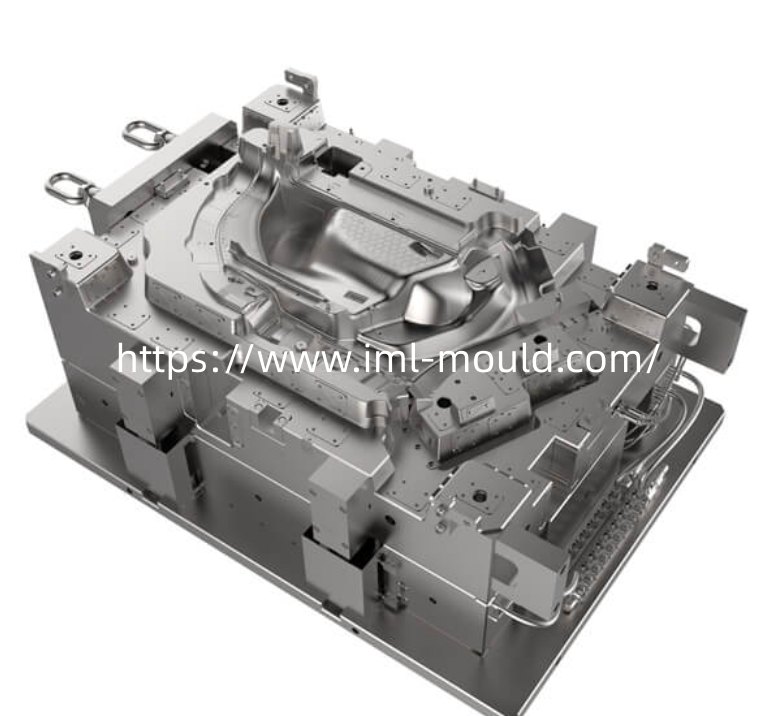
Plastic containers appear in many areas of daily and industrial life, from household storage and packaging to food service, personal care, and commercial products. For manufacturers developing a Container Mould, successful tooling requires a broader perspective than simply reproducing a container shape. Material selection, purchasing decisions, functional engineering, user experience, maintenance, and visual design need to work together to create tooling that supports practical and repeatable production.
Material selection is one of the earliest decisions in mould development. Tool steels and related engineering materials can offer different combinations of toughness, hardness, wear resistance, machinability, corrosion resistance, and polishing capability. Engineers need to understand the plastic material, container structure, expected surface quality, production environment, and maintenance requirements before deciding on a suitable tooling material. A thoughtful material strategy can support stable mould operation while keeping fabrication practical.
The type of container being developed also influences tooling structure. A container may include a body, opening, rim, base, handle, grooves, ribs, lid interface, or decorative surface. These features create different relationships between the cavity, core, parting structure, cooling system, and ejection mechanism. Engineers need to study the product as a complete form and identify how each feature can be molded and released without unnecessary complications.
The rim and opening deserve particular attention because they often affect both the product's practical function and finished appearance. Smooth transitions, clean edges, and consistent geometry can influence how a lid connects, how the container is handled, and how the product looks on a shelf. Tooling engineers need to translate these product requirements accurately into cavity and core surfaces while preserving practical injection-molding conditions.
Purchasing decisions should begin with the intended use of the final container. Household products may have different priorities from food packaging, industrial storage, cosmetic packaging, or retail containers. Buyers can consider the selected plastic, product geometry, decoration, surface finish, lid concept, assembly process, packaging workflow, and future design changes. Looking beyond the initial moulding stage can help businesses choose tooling that remains suitable through the full product lifecycle.
Supplier evaluation is equally important. A dependable mould manufacturer should provide technical communication, engineering support, precision machining, quality control, customization flexibility, and reliable project coordination. Customers can also benefit from a manufacturer capable of reviewing product concepts before tooling construction begins. Ningbo Hengqi Precision Mould Co., Ltd. develops plastic mould solutions with attention to practical engineering, product consistency, and varied customer applications.
Functional engineering determines how the mould supports the manufacturing process. Engineers may review gate locations, runners, venting, cooling arrangements, ejector systems, inserts, slides, and lifters according to the container design. These elements should work together rather than being designed independently. Good tooling engineering can support smoother plastic filling, controlled cooling, reliable ejection, and easier access for maintenance teams.
Technology continues to improve the way container moulds are designed and manufactured. Digital modeling allows engineering teams to review cavity surfaces, core relationships, material-flow concepts, cooling arrangements, and ejection strategies before physical tooling is completed. Modern CNC machining, electrical discharge machining, wire cutting, grinding, polishing, and inspection technologies can support detailed tooling structures. These methods also make design refinement more manageable when customers revise product features.
User experience begins with the finished container, but many consumer-facing qualities originate in the mould. Consistent surfaces, smooth edges, clean openings, stable bases, and accurate decorative details can influence how a container feels and functions. A thoughtfully developed mould can help support easier handling, opening, closing, stacking, filling, cleaning, and storage.
Maintenance should be considered from the start of mould development. Container tooling may require cleaning, lubrication, inspection, polishing, and attention to moving or wear-related components throughout its working lifecycle. Practical access to ejector systems, inserts, cooling areas, slides, and other service sections can make maintenance easier. A well-organized structure can also help production teams identify contamination or wear before it affects finished containers.
Surface finishing has an important connection with both tooling and final-product appearance. Highly polished cavity surfaces can create clean visual effects, while textured areas can provide tactile character or decorative depth. Logos, patterns, recessed features, and other surface details also need to be carefully transferred into the mould. Engineers and product designers can work together to achieve the desired finish without introducing unnecessary manufacturing complexity.
Design and appearance are increasingly significant in container development. Consumers often judge packaging through shape, surface character, color, and overall visual coordination before interacting with the product itself. Designers may explore minimalist forms, organic curves, strong branding areas, transparent features, textured surfaces, or decorative patterns. The tooling needs to reproduce these elements consistently while keeping the production process practical.
Customization gives brands, packaging companies, retailers, and industrial manufacturers greater flexibility. Different markets may require specialized container shapes, closure concepts, handle arrangements, decorative surfaces, functional inserts, or coordinated packaging families. Flexible mould development allows suppliers to adapt tooling around these requirements while maintaining organized manufacturing. Collaboration among customers, designers, engineers, and tooling specialists can help convert product concepts into manufacturable solutions.
Quality management connects material evaluation, product analysis, mould design, machining, heat treatment, finishing, assembly, inspection, testing, maintenance, packaging, and customer feedback. Consistent procedures help manufacturers identify possible tooling issues earlier and improve future development. Feedback from molding teams and downstream manufacturers can also reveal useful information about filling, cooling, ejection, surface appearance, cleaning, assembly, and finished-product consistency.
Ningbo Hengqi Precision Mould Co., Ltd. continues developing plastic mould solutions through engineering experience, precision machining, quality-focused manufacturing, flexible product development, and attention to customer application needs. Its approach connects tooling materials, container structure, molding technology, maintenance, product usability, surface finishing, and visual design to support different packaging, storage, household, and industrial plastic-product projects. More information about its products and capabilities is available at https://www.iml-mould.com/.

 English
 Arabic
 French
 Spanish
 Portuguese
 Deutsch
 Dutch
Dutch
 Italiano
 Russian
 Romaian
 Portuguese (Brazil)
 Greek
Greek