


How Often Should You Have a Blood Test? Factors to Consider
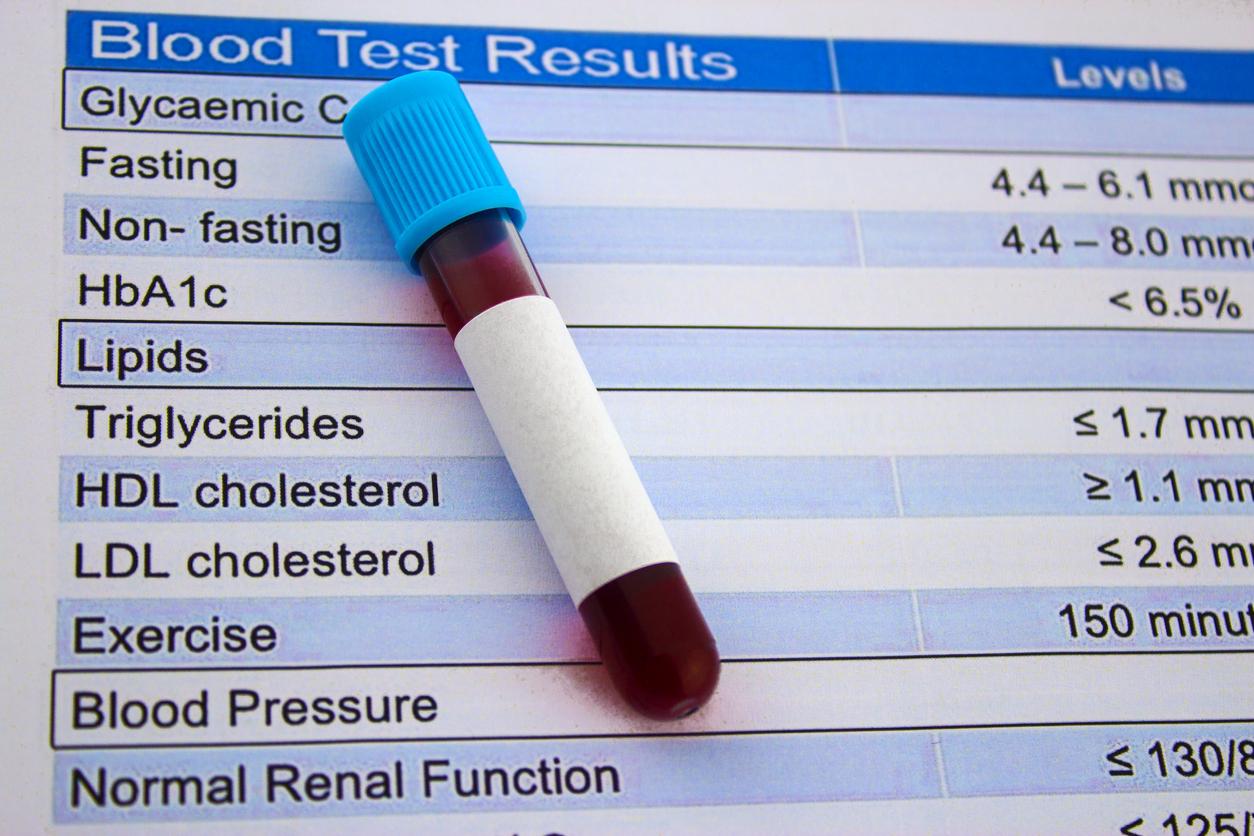
Blood tests are among the most common tools used in modern healthcare. They can help investigate symptoms, monitor chronic conditions, assess treatment, identify certain health risks, and support preventive care.
But one question often causes confusion: How often should you have a blood test?
There is no single schedule that works for everyone. A healthy adult without symptoms may need laboratory testing less frequently than someone managing diabetes, thyroid disease, kidney problems, or another ongoing condition. Age, medications, family history, lifestyle, previous results, and the reason for testing can all influence how often blood work is appropriate.
Instead of following a fixed calendar, Blood test in Dubai is usually most useful when it has a clear medical purpose.
The Right Frequency Starts With the Reason for Testing:
Before deciding how often you need blood work, it helps to understand why the test is being ordered.
Blood tests may be performed for four broad reasons:
Screening: Looking for certain health risks before symptoms appear.
Diagnosis: Investigating symptoms or an unexplained health problem.
Monitoring: Tracking an existing medical condition.
Treatment follow-up: Checking whether a medication or treatment is working safely.
Each situation can require a different testing schedule.
For example, a person having routine preventive screening may only need selected tests periodically, while someone taking a medication that requires laboratory monitoring may need testing much more frequently.
If You Are Healthy and Have No Symptoms:
Healthy adults do not necessarily need extensive blood testing every few months.
Preventive healthcare should be individualized according to factors such as age, sex, family history, cardiovascular risk, lifestyle, and previous laboratory findings.
A healthcare professional may recommend selected tests to evaluate blood glucose, cholesterol, blood counts, or other markers when appropriate.
The goal is not to order every available blood test. It is to use tests that can provide meaningful information for your particular health situation.
Your Age Can Influence Testing Needs:
Age is one factor that may affect preventive laboratory testing.
As people get older, the likelihood of certain chronic health conditions can increase. Healthcare professionals may therefore recommend different screening strategies at different stages of life.
However, age alone does not determine how often you need blood work.
Two people of the same age can have very different testing needs because their medical histories, medications, symptoms, and risk factors may differ.
Existing Health Conditions Change the Schedule:
If you have a diagnosed health condition, blood testing may be needed regularly to monitor changes.
Diabetes:
People with diabetes may have periodic blood glucose and A1C testing.
The frequency depends on factors such as the type of diabetes, current glucose control, medications, treatment changes, and overall health.
Thyroid Disorders:
People being treated for hypothyroidism or hyperthyroidism may need thyroid function testing to monitor TSH and, when appropriate, thyroid hormone levels.
Testing frequency may change when medication is started or adjusted.
Kidney Disease:
People with kidney problems may require monitoring of creatinine, eGFR, electrolytes, and other laboratory markers.
The frequency depends on the severity of kidney impairment and other individual factors.
Liver Conditions:
People with certain liver disorders may need periodic liver blood tests, which can include measurements such as ALT, AST, bilirubin, and albumin.
The appropriate schedule depends on the underlying condition and treatment.
Medications Can Determine How Often You Need Blood Work:
Some medications require laboratory monitoring because they can affect blood cells, liver function, kidney function, electrolytes, or other biological markers.
When starting a new medicine, your healthcare professional may order baseline blood work and then repeat testing after a particular period.
The timing can also change when the dose is adjusted.
Never skip recommended monitoring simply because you feel well. Some medication-related changes may not cause noticeable symptoms initially.
Likewise, do not stop a medication because you are concerned about a laboratory result without speaking with your healthcare provider.
Your Previous Blood Test Results Matter:
One of the most useful pieces of information in laboratory medicine is the trend over time.
A single blood test provides a snapshot. Several tests performed at appropriate intervals can show whether a marker is stable, improving, or changing.
For example, a mildly elevated cholesterol measurement may be interpreted differently if it has remained stable for years compared with a rapidly changing result.
Your healthcare professional may therefore recommend repeating a test to confirm an unexpected finding or monitor a developing trend.
Symptoms Can Mean You Need Testing Sooner:
You may not need to wait until your next routine checkup if you develop persistent or unexplained symptoms.
Depending on the situation, symptoms such as ongoing fatigue, unexplained weight changes, excessive thirst, frequent urination, unusual bleeding, persistent weakness, or other changes may lead a healthcare professional to recommend blood work.
The specific tests depend on the symptoms.
A complete blood count may be useful when investigating possible anemia or blood abnormalities. Blood glucose testing may be considered when diabetes is suspected, while thyroid tests may be appropriate when symptoms suggest a thyroid disorder.
Symptoms should be evaluated as a whole rather than matched to one blood test.
Family History Can Influence Testing:
A strong family history of certain conditions may increase your risk and influence preventive screening decisions.
For example, a family history of cardiovascular disease, diabetes, thyroid problems, or certain inherited disorders may affect what tests your healthcare professional recommends.
Family history does not mean that you will develop the same condition, but it can be an important factor when creating a personalized screening plan.
Lifestyle and Risk Factors Also Matter:
Lifestyle factors can influence health risks and therefore affect preventive testing.
Your healthcare professional may consider factors such as:
-
Smoking
-
Alcohol consumption
-
Diet
-
Physical activity
-
Body weight
-
Blood pressure
-
Cholesterol history
-
Sleep patterns
-
Stress
-
Family medical history
These factors do not automatically mean that you need frequent blood tests.
Instead, they help your healthcare provider determine which forms of screening and monitoring may be appropriate.
What Blood Tests Might Be Included?
The specific tests depend on the reason for testing.
Complete Blood Count:
A CBC measures red blood cells, white blood cells, hemoglobin, hematocrit, and platelets. It can help investigate anemia, infection, and other blood-related abnormalities.
Blood Glucose and A1C:
These tests provide information about blood sugar and can help screen for or monitor diabetes.
Lipid Panel:
A lipid panel evaluates cholesterol and triglycerides and can contribute to cardiovascular risk assessment.
Kidney Function Testing:
Creatinine and eGFR are commonly used to evaluate kidney filtration, often alongside electrolyte measurements.
Liver Blood Tests:
ALT, AST, bilirubin, albumin, and other markers can provide information relevant to liver health.
Thyroid Function Tests:
TSH and other thyroid hormone measurements may be used when evaluating or monitoring thyroid function.
Not everyone needs all of these tests at every appointment.
Why More Frequent Testing Is Not Always Better?
It may seem logical that testing more often gives you more information. In reality, unnecessary testing can create confusion.
Laboratory values naturally fluctuate, and occasional results may fall slightly outside a reference range without representing disease.
Frequent testing can therefore lead to unnecessary repeat tests, anxiety, or additional investigations.
Good healthcare focuses on appropriate testing, not simply more testing.
How Often Should Routine Blood Work Be Done?
There is no universal answer such as "every six months" or "once a year."
Some people may have selected preventive blood tests periodically, while others may not need routine laboratory testing unless symptoms or risk factors arise.
A yearly health visit does not automatically mean that every possible blood test is necessary.
Your healthcare professional can recommend an appropriate schedule based on your age, health status, risk factors, medications, and previous results.
When Testing May Need to Be More Frequent?
More frequent blood work may be appropriate when:
-
A chronic condition is not well controlled
-
A medication has recently been started
-
A medication dose has changed
-
Previous results were significantly abnormal
-
Symptoms are changing or worsening
-
A healthcare professional is monitoring a treatment
-
Kidney, liver, thyroid, or blood cell abnormalities require follow-up
The exact interval should be determined by the healthcare professional managing your care.
When Testing May Be Less Frequent?
Testing may be less frequent when:
-
You are generally healthy
-
Previous results have been stable
-
You have no concerning symptoms
-
You are not taking medicines requiring laboratory monitoring
-
Your overall risk of the condition being investigated is low
This does not mean preventive healthcare is unimportant. It means testing can be targeted to what is actually useful.
Should You Get a Blood Test Every Year?
An annual blood test is not automatically necessary for every healthy person.
Some individuals may benefit from periodic blood testing as part of preventive care, while others may only need specific laboratory tests when clinically appropriate.
If you have been getting the same blood tests every year, ask your healthcare provider what each test is monitoring and whether the current frequency remains appropriate.
Understanding the purpose of each test is more valuable than following a routine without explanation.
What If Your Blood Test Is Abnormal?
An abnormal result does not necessarily mean that you have a disease.
Laboratory results can be affected by hydration, fasting status, exercise, recent illness, medications, supplements, and normal biological variation.
Your healthcare provider may repeat the test, compare it with previous results, or order additional investigations.
Do not change medication, start supplements, or make major health decisions based solely on an isolated laboratory result.
Blood Testing During Pregnancy:
Pregnancy can change normal physiological values and often requires specific laboratory monitoring.
Healthcare professionals may recommend blood tests at different stages of pregnancy to assess maternal health and screen for particular conditions.
Pregnancy-related testing should always follow the schedule recommended by your obstetric or healthcare team.
Do not use general adult blood testing schedules to determine what is appropriate during pregnancy.
Blood Tests for Older Adults:
Older adults may have different healthcare needs because the risk of certain chronic conditions and medication-related effects can increase with age.
However, more testing is not automatically better.
Healthcare professionals may consider existing medical conditions, medications, functional health, symptoms, and previous results when deciding what laboratory monitoring is useful.
The focus should remain on tests that can meaningfully influence medical decisions.
What About Children and Teenagers?
Children and adolescents generally do not need the same routine blood testing as adults.
Blood work may be recommended when there are specific symptoms, risk factors, nutritional concerns, medication requirements, or other medical reasons.
Parents should discuss the purpose and timing of any recommended blood test with the child's healthcare professional.
A Better Question Than How Often?
Instead of asking only how frequently you should have a blood test, ask:
What is this test checking?
Why do I need it now?
What could the result change about my care?
When should the test be repeated?
Does my previous result affect the timing?
These questions help turn laboratory testing into a purposeful part of healthcare rather than a routine exercise.
How to Keep Track of Your Blood Work?
Keeping a record of previous laboratory results can be useful.
You can maintain a simple list of:
-
Test date
-
Test name
-
Important results
-
Medications at the time
-
Relevant symptoms
-
Follow-up recommendations
Your healthcare provider may already have access to your previous reports, but maintaining your own health records can help you understand trends and prepare for appointments.
When Should You Contact Your Healthcare Provider?
Contact your healthcare professional if you develop persistent symptoms, receive instructions to repeat abnormal blood work, start a medication that requires monitoring, or are unsure about your recommended testing schedule.
Do not wait for routine blood work if you develop severe or rapidly worsening symptoms that require urgent medical attention.
Blood testing is a diagnostic tool, not a replacement for timely medical assessment.
The Bottom Line:
There is no universal answer to how often you should have a blood Lab tests.
Healthy people may need selected preventive tests periodically, while individuals with chronic conditions or certain medications may require more frequent monitoring. Symptoms, age, family history, lifestyle factors, previous laboratory results, and treatment changes can all influence the appropriate schedule.
The goal is not to have blood work as often as possible. The goal is to have the right tests at the right time for the right reason.
If you are unsure about your blood testing schedule, ask your healthcare provider what each recommended test is designed to evaluate and when it should be repeated. This approach can help you avoid both unnecessary testing and missed opportunities for appropriate monitoring.
Frequently Asked Questions:
How often should a healthy person get a blood test?
There is no standard schedule for every healthy person. Preventive testing depends on factors such as age, risk factors, family history, lifestyle, and previous results.
Is an annual blood test necessary?
Not necessarily. Some people benefit from periodic blood work, while others may not need routine laboratory testing every year. Your healthcare provider can recommend appropriate screening based on your circumstances.
How often should people with diabetes have blood tests?
Testing frequency varies according to the type of diabetes, treatment, glucose control, medications, and individual health needs. A healthcare professional should determine the schedule.
Do medications require regular blood tests?
Some medications do. Laboratory monitoring may be used to assess kidney function, liver function, blood cells, electrolytes, or other markers. Follow the monitoring schedule recommended by your healthcare provider.
Can blood tests be repeated too often?
Yes. Unnecessary testing can produce confusing minor abnormalities and may lead to additional investigations without providing meaningful benefit. Testing should have a clear medical purpose.
Should I get a blood test if I feel healthy?
Possibly, depending on your age and risk factors. Preventive screening can identify certain health risks, but not everyone needs the same laboratory tests.
How often should cholesterol be checked?
The appropriate interval depends on your age, cardiovascular risk, previous cholesterol levels, medical conditions, and treatment. Your healthcare professional can recommend an individualized schedule.
Can symptoms change when I need a blood test?
Yes. New, persistent, unexplained, or worsening symptoms may prompt earlier laboratory evaluation rather than waiting for routine screening.
Does one abnormal blood test mean I need frequent testing?
Not necessarily. Your healthcare provider may repeat the test to confirm the finding, investigate possible causes, or compare it with previous results before deciding on a long-term monitoring schedule.
What is the most important factor in deciding blood test frequency?
The reason for testing is one of the most important factors. Screening, diagnosis, chronic disease monitoring, and medication monitoring can all require different schedules.

 English
 Arabic
 French
 Spanish
 Portuguese
 Turkish
 Dutch
Dutch
 Italiano
 Russian
 Romaian
 Portuguese (Brazil)
 Greek
Greek