


Blood Test for Men: Important Health Markers to Know
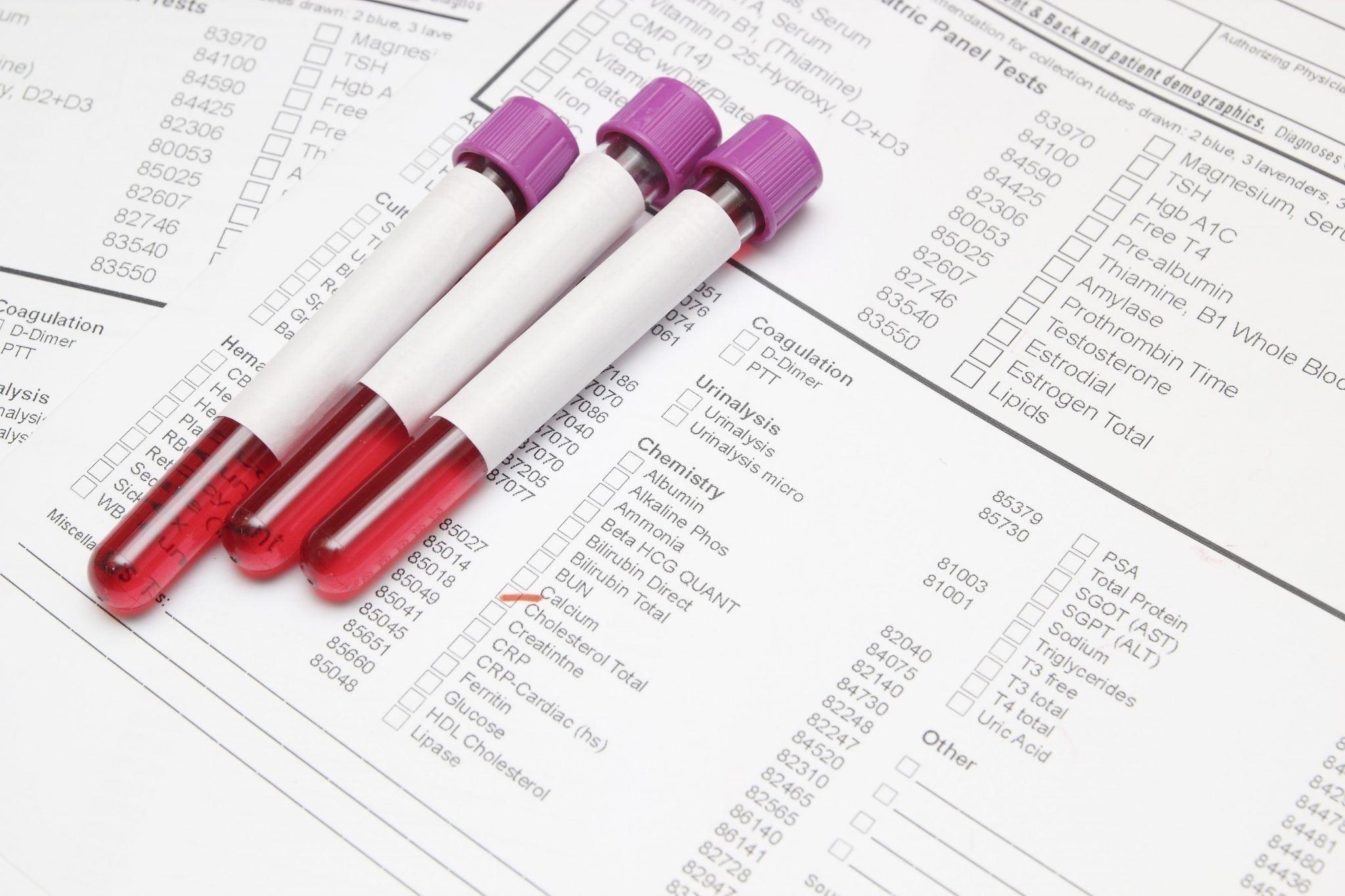
Blood tests are a practical way to monitor many aspects of men's health. A small blood sample can provide information about blood cell health, cholesterol, blood sugar, kidney function, liver health, thyroid activity, nutrient status, and other important health indicators.
But there is no single Blood test in Dubai that measures a man's complete health. The right tests depend on age, symptoms, medical history, medications, family history, lifestyle, and individual risk factors.
For some men, blood work is part of a routine health assessment. For others, testing is recommended because of symptoms such as fatigue, unexplained weight changes, changes in urination, reduced energy, or concerns about metabolic or hormonal health.
Knowing what common blood markers mean can help you have a more informed conversation with your healthcare professional.
A Better Way to Understand Blood Work:
Rather than viewing a blood test report as a collection of numbers, it helps to group results according to what they tell you about the body.
Some markers relate to blood and oxygen delivery. Others provide clues about metabolic health, organ function, cardiovascular risk, or hormone balance.
The significance of any result depends on the complete picture.
A number slightly outside the laboratory reference range may not indicate disease, while a result within the normal range does not necessarily rule out every health problem.
Blood and Oxygen: What a CBC Can Reveal
A complete blood count, or CBC, is one of the most common blood tests for adults.
It measures red blood cells, hemoglobin, hematocrit, white blood cells, and platelets, along with additional red blood cell measurements.
The CBC can help investigate anemia, infections, inflammation, bleeding problems, and certain blood disorders.
Hemoglobin Matters for Energy and Oxygen Delivery:
Hemoglobin is the protein in red blood cells that carries oxygen throughout the body.
A low hemoglobin level can indicate anemia.
Men with anemia may experience fatigue, weakness, shortness of breath, headaches, dizziness, or reduced exercise tolerance.
Anemia in men deserves appropriate evaluation because possible causes include blood loss, iron deficiency, chronic disease, vitamin deficiencies, kidney problems, and other conditions.
Iron deficiency should not simply be assumed to result from diet. In some men, unexplained iron deficiency may require investigation for possible blood loss or gastrointestinal problems.
White Blood Cells: A Window Into Immune Activity
White blood cells help the immune system respond to infections and other threats.
A CBC may show the total white blood cell count, while a differential provides information about individual cell types such as neutrophils and lymphocytes.
An elevated white blood cell count can occur with infection, inflammation, physical stress, medications, and other conditions.
A low count can have different causes, including medications, certain infections, nutritional deficiencies, immune conditions, or bone marrow problems.
A white blood cell count alone cannot determine whether someone has an infection or an immune disorder.
Platelets: Understanding Clotting Health
Platelets are blood components that help form clots when blood vessels are damaged.
A low platelet count may increase the risk of bleeding, while an elevated platelet count can occur in response to inflammation, infection, iron deficiency, blood loss, or certain blood disorders.
Doctors interpret platelet results together with symptoms, medications, medical history, and other blood measurements.
Unexplained bruising or persistent bleeding should be medically evaluated rather than attributed to a platelet problem without testing.
Blood Sugar: A Key Metabolic Health Marker
Blood glucose is another important health measurement for men.
A glucose test shows the amount of sugar in the blood at the time of testing. Depending on the situation, testing may be performed while fasting or at another time.
The hemoglobin A1C test provides an estimate of average blood glucose levels over approximately two to three months.
These tests are commonly used to screen for prediabetes and diabetes and to monitor people who already have diabetes.
Risk factors can include excess body weight, physical inactivity, family history, high blood pressure, and certain metabolic conditions.
Cholesterol: More Than One Number
A lipid panel provides several measurements relevant to cardiovascular health.
It commonly includes:
-
Total cholesterol
-
LDL cholesterol
-
HDL cholesterol
-
Triglycerides
LDL cholesterol is associated with plaque buildup in arteries when levels remain elevated. HDL cholesterol participates in cholesterol transport, while triglycerides are another type of blood fat.
However, cholesterol should not be considered in isolation.
Overall cardiovascular risk also depends on age, blood pressure, smoking, diabetes, family history, physical activity, and other factors.
A man with a particular LDL level may have a different treatment recommendation from another man with the same number because their overall risk profiles differ.
Kidney Health: Creatinine and eGFR
The kidneys filter waste from the bloodstream and help maintain fluid and electrolyte balance.
Creatinine is commonly measured to evaluate kidney function.
The result can be used to calculate the estimated glomerular filtration rate, or eGFR, which provides an estimate of kidney filtration.
Kidney testing can be especially important for men with diabetes, hypertension, cardiovascular disease, a history of kidney problems, or medications that can affect kidney function.
A single abnormal result does not automatically establish chronic kidney disease. Doctors may repeat testing and use urine measurements to obtain a more complete assessment.
Electrolytes: Keeping the Body's Systems Balanced
Blood chemistry tests may measure sodium, potassium, chloride, and bicarbonate.
These electrolytes are essential for normal nerve signaling, muscle contraction, heart function, and fluid balance.
Abnormal levels can be associated with dehydration, kidney disorders, medications, hormonal conditions, gastrointestinal losses, and other medical problems.
Significant abnormalities, particularly involving potassium, can require prompt medical attention because electrolyte disturbances can affect heart rhythm and muscle function.
Liver Health: What Blood Markers Can Show
Liver-related blood tests may include ALT, AST, alkaline phosphatase, bilirubin, albumin, and total protein.
These markers can provide clues about liver cell injury, bile flow, and certain aspects of liver function.
Men may have risk factors for liver disease related to metabolic health, alcohol use, certain medications, viral hepatitis, or other conditions.
An elevated liver enzyme does not automatically mean liver disease.
For example, AST can also rise because of muscle injury. Doctors therefore consider the pattern of results and the patient's history before determining what additional testing may be necessary.
Thyroid Health Is Relevant to Men Too:
Thyroid disorders can affect men as well as women.
TSH, or thyroid-stimulating hormone, is commonly used as an initial test of thyroid function.
Depending on symptoms and the TSH result, a doctor may order free T4 or other thyroid tests.
An underactive thyroid may cause fatigue, cold intolerance, constipation, dry skin, or weight changes.
An overactive thyroid can cause symptoms such as rapid heartbeat, heat intolerance, anxiety, sweating, and unexplained weight loss.
These symptoms have many possible causes, so blood testing can help determine whether thyroid dysfunction is contributing.
Testosterone Testing: When Does It Make Sense?
Testosterone is an important hormone in male reproductive and metabolic health.
However, testosterone testing is not necessarily required as routine screening for every man.
Testing may be appropriate when symptoms suggest possible hypogonadism, such as reduced sexual desire, erectile difficulties, loss of muscle mass, unexplained anemia, or other compatible symptoms.
Testosterone levels vary throughout the day and can be affected by illness, sleep, medications, obesity, and other factors.
Because of this, a low result may need confirmation with repeat testing before a diagnosis is made.
Hormone therapy should not be started based on a single laboratory number without appropriate medical evaluation.
Prostate Health and Blood Testing:
The prostate-specific antigen, or PSA, blood test may be used as part of prostate cancer screening for selected men.
PSA levels can rise for reasons other than cancer, including benign prostate enlargement, inflammation, infection, and recent prostate-related activity.
The decision to have PSA testing involves balancing potential benefits and harms.
Age, family history, race, previous test results, and personal preferences may influence screening decisions.
A PSA result is not a cancer diagnosis.
If the result is concerning, additional evaluation may be recommended.
Iron, Vitamin B12, and Folate:
Nutritional blood tests may be appropriate when symptoms or risk factors suggest a deficiency.
Iron studies can help investigate anemia and depleted iron stores.
Vitamin B12 and folate are important for healthy blood cell production and nervous system function.
Deficiencies may cause fatigue, weakness, anemia, or neurological symptoms.
Testing is usually more useful when there is a clinical reason to suspect deficiency rather than as a blanket screening approach for every healthy adult.
Inflammation Markers: CRP and ESR
C-reactive protein, or CRP, and erythrocyte sedimentation rate, or ESR, are sometimes used to assess inflammation.
These tests are nonspecific.
CRP can rise during infections, inflammatory conditions, injury, and other circumstances.
ESR can also increase with inflammation but may be influenced by age, anemia, and other factors.
Neither test can independently identify the cause of inflammation.
Which Blood Tests May Be Useful During a Routine Health Check?
Depending on individual risk factors, a healthcare professional may consider tests such as:
-
Complete blood count
-
Blood glucose or A1C
-
Lipid panel
-
Kidney function tests
-
Electrolytes
-
Liver-related blood tests
-
Thyroid testing when indicated
-
Iron or vitamin testing when clinically appropriate
The exact combination should be based on individual health needs rather than a universal checklist.
How Age Can Influence Blood Testing?
A man's health priorities can change over time.
Younger adults may focus on identifying metabolic risk factors, nutritional deficiencies, or symptoms requiring investigation.
As men age, cardiovascular risk assessment, diabetes screening, kidney function, medication monitoring, and age-appropriate cancer screening may become increasingly important.
There is no universal age at which every man should receive every blood test.
Screening should be individualized according to recognized preventive care recommendations and personal risk.
What Can Change Blood Test Results?
Laboratory results are influenced by more than disease.
Factors may include:
-
Hydration
-
Recent infection
-
Exercise
-
Diet
-
Alcohol consumption
-
Medications
-
Supplements
-
Stress
-
Time of day
-
Existing medical conditions
Test preparation also matters.
Some tests may require fasting, while many do not. Follow the instructions provided by your healthcare professional or laboratory.
What If Your Blood Test Shows an Abnormal Result?
An abnormal result is a starting point for interpretation, not necessarily a diagnosis.
Your healthcare professional may compare it with previous results, review your symptoms and medications, or repeat the test.
Additional laboratory tests, imaging, physical examination, or specialist evaluation may be appropriate depending on the finding.
Avoid trying to diagnose yourself based on a single laboratory value.
Reference ranges vary between laboratories, and some healthy people may have results slightly outside a stated range.
When Should Men Consider Getting Blood Work?
Blood testing may be appropriate as part of preventive healthcare or when persistent symptoms develop.
Speak with a healthcare professional if you experience unexplained fatigue, persistent thirst, changes in urination, unexplained weight loss or gain, unusual bleeding, repeated infections, sexual health changes, or other ongoing symptoms.
Men with chronic conditions such as diabetes, hypertension, kidney disease, or high cholesterol may also need periodic blood testing to monitor their health and treatment.
How to Prepare for a Blood Test?
Preparation depends on the tests ordered.
Before your appointment:
-
Confirm whether fasting is required.
-
Follow the laboratory's instructions about food and drinks.
-
Ask whether you should take your regular medications.
-
Tell your healthcare professional about vitamins and supplements.
-
Stay appropriately hydrated unless instructed otherwise.
-
Mention recent illness or significant changes in health.
-
Bring previous results if they may help establish a trend.
Good preparation can make the testing process easier and help your healthcare team interpret results accurately.
The Bottom Line:
Blood Lab tests can provide men with useful information about several important areas of health.
A CBC evaluates blood cells and can provide clues about anemia, infection, and other conditions. Glucose and A1C help assess blood sugar, while a lipid panel provides information about cholesterol and triglycerides. Creatinine and eGFR help evaluate kidney filtration, and liver markers can provide clues about liver health.
TSH can help investigate thyroid function, while testosterone testing may be useful when symptoms suggest hormonal deficiency. PSA testing may be considered for appropriate prostate cancer screening after discussing its potential benefits and limitations.
The most important point is that blood test results need context.
A high cholesterol level, low hemoglobin, elevated liver enzyme, or abnormal testosterone result does not tell the whole story by itself. Your age, symptoms, medical history, medications, lifestyle, and previous results all contribute to the interpretation.
If you have concerns about your health or receive an unexpected blood test result, discuss it with a qualified healthcare professional. The goal of blood testing is not simply to identify abnormal numbers, but to use meaningful information to guide appropriate prevention, diagnosis, and care.
Frequently Asked Questions:
What blood tests should men have regularly?
There is no universal blood test schedule for every man. Depending on age and risk factors, common testing may include a CBC, glucose or A1C, cholesterol, kidney function, and other tests when clinically indicated.
What blood test checks men's overall health?
No single blood test checks everything. A combination of appropriate laboratory tests, medical history, physical examination, and preventive screening provides a more complete health assessment.
Should men have testosterone tested routinely?
Not necessarily. Testosterone testing is generally more useful when a man has symptoms or clinical findings that suggest possible testosterone deficiency.
What blood test checks prostate health?
PSA is a blood test used in prostate cancer screening for selected men. PSA can be elevated for several reasons and does not by itself diagnose prostate cancer.
What blood tests check for diabetes?
Blood glucose and hemoglobin A1C are commonly used to screen for and monitor diabetes and prediabetes.
Which blood test checks cholesterol?
A lipid panel usually measures total cholesterol, LDL cholesterol, HDL cholesterol, and triglycerides.
Can a blood test detect anemia in men?
Yes. A CBC measures hemoglobin and other red blood cell characteristics that can provide evidence of anemia. Additional testing may be needed to determine its cause.
Can blood tests check kidney function?
Yes. Creatinine and eGFR are commonly used to assess kidney filtration. Additional urine testing may also be recommended.
Do men need to fast before blood work?
It depends on the tests ordered. Some blood tests require fasting, while many do not. Follow your healthcare professional's specific instructions.
What does an abnormal blood test mean?
An abnormal result can have many causes and does not automatically indicate disease. Your healthcare professional can interpret the result in relation to your symptoms, medical history, medications, and other findings.
How often should men get blood tests?
Testing frequency varies according to age, health conditions, medications, risk factors, and symptoms. A healthcare professional can recommend an appropriate schedule.

 English
 Arabic
 Spanish
 Portuguese
 Deutsch
 Turkish
 Dutch
Dutch
 Italiano
 Russian
 Romaian
 Portuguese (Brazil)
 Greek
Greek