


Saudi Arabia’s E-Waste Transition Gains Momentum Through Recycling and Circularity
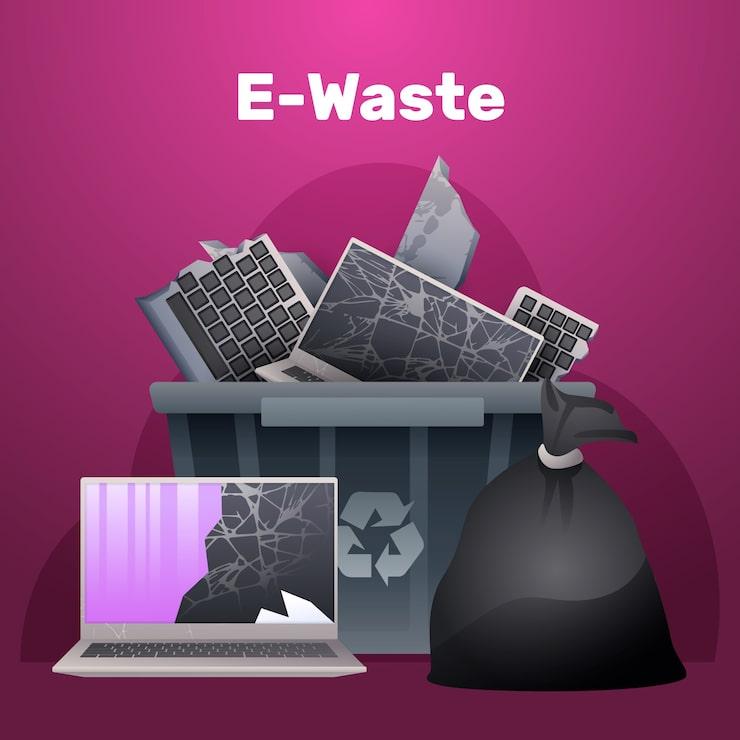
Saudi Arabia’s rapid digital transformation is increasing the volume of electronic equipment entering households, businesses, government institutions, and industrial facilities. Smartphones, computers, appliances, telecommunications equipment, and other connected devices have increasingly shorter replacement cycles, creating a growing need for structured collection, recycling, refurbishment, and responsible disposal. This is making electronic waste management an increasingly important part of the Kingdom’s broader sustainability agenda.
A recent assessment by MarkNtel Advisors reveals that Saudi Arabia’s e-waste management sector was valued at USD 161 million in 2025 and is projected to grow from USD 183 million in 2026 to USD 264 million by 2032, registering a CAGR of 6.30% during 2026–2032. The industry report identifies regulatory modernization, technology adoption, infrastructure investment, and Vision 2030-related sustainability initiatives as important factors influencing the sector.
Government Policies Strengthen Formal Recycling
Government policy is playing an important role in shifting electronic waste from informal disposal toward organized collection and recycling channels. Saudi Arabia is pursuing broader waste-sector transformation objectives that emphasize landfill diversion, recycling, resource recovery, and private-sector participation.
The Ministry of Environment, Water and Agriculture has been involved in national environmental and waste-management initiatives, while the National Center for Waste Management has been developing frameworks to improve waste-sector governance. These measures create a stronger institutional foundation for dedicated electronic-waste collection and treatment.
A policy-focused approach is particularly relevant because electronic waste contains both recoverable materials and components that require controlled handling. Formal systems can improve traceability while reducing the environmental risks associated with uncontrolled disposal.
Digitalization Increases E-Waste Generation
The continued adoption of digital devices is an important structural factor behind rising electronic waste volumes. Consumers are replacing smartphones, laptops, televisions, gaming equipment, and other electronics more frequently as newer technologies become available.
Commercial and institutional users also generate substantial quantities of obsolete equipment through technology upgrades. Businesses and government organizations periodically replace computers, servers, networking equipment, and telecommunications infrastructure, creating concentrated waste streams that can be more efficiently collected and processed through formal channels.
This growing volume creates a parallel requirement for recycling facilities capable of sorting, dismantling, recovering materials, refurbishing usable equipment, and safely treating components that cannot be reused.
Mechanical Recycling Leads Technology Adoption
Mechanical recycling represented approximately 45% of the sector in 2026, according to the study, making it the leading technology category. The process can involve dismantling, shredding, crushing, and mechanical separation to recover materials from discarded electronic products.
Its relatively established industrial processes and suitability for handling mixed electronic waste make mechanical recycling relevant to a developing recycling ecosystem. The technology can support recovery of metals, plastics, and other materials while reducing the quantity of waste requiring final disposal.
Advanced facilities are also incorporating more sophisticated processing systems. Industrial-scale shredding, controlled separation, and secure data-destruction capabilities can improve both material recovery and the safe handling of electronic equipment.
Residential Waste Represents a Major Stream
The residential segment accounted for approximately 47% in 2026, making households the leading end-user category. Rising ownership of smartphones, tablets, computers, televisions, gaming systems, and connected appliances contributes to the accumulation of obsolete electronics within households.
Shorter replacement cycles can further increase the flow of discarded devices. However, household participation in formal recycling depends heavily on the availability and convenience of collection channels. Take-back programmes, retail collection points, municipal services, and dedicated recycling campaigns can make responsible disposal more accessible.
Greater consumer awareness is also important because electronics retained in homes or discarded through general waste streams may not reach facilities capable of recovering valuable materials or managing potentially hazardous components appropriately.
Riyadh Emerges as a Key Recycling Hub
Riyadh accounted for approximately 32% of the sector in 2026, according to the study. The capital’s large population, concentration of businesses and government institutions, and high level of technology adoption contribute to significant electronic equipment consumption and replacement activity.
Riyadh is also becoming an important center for sustainability initiatives and waste-sector development. The city’s role in national policy implementation and infrastructure investment can support the expansion of organized collection networks and recycling capacity.
The International Telecommunication Union has also highlighted electronic waste as an issue requiring stronger policy, collection, recycling, and circular-economy measures. International cooperation can complement national efforts by supporting regulatory development and knowledge exchange.
Public-Private Partnerships Can Expand Infrastructure
Investment requirements remain an important consideration as Saudi Arabia seeks to develop larger and more advanced recycling facilities. Public-private partnerships can provide a mechanism for combining government policy support with private capital, technical expertise, and operational capabilities.
The Saudi Investment Recycling Company has been involved in efforts to develop integrated recycling infrastructure, while broader waste-sector reforms are creating opportunities for specialized processing facilities. Such partnerships can help expand collection coverage, improve processing capacity, and introduce advanced recycling technologies.
Toward a More Circular Electronics Ecosystem
Saudi Arabia’s e-waste management landscape is moving toward greater formalization, technology integration, and resource recovery. Regulatory development, rising electronic-device consumption, advanced recycling systems, and investment in waste infrastructure are collectively influencing the sector.
The longer-term transition will depend on improving collection networks, expanding recycling capacity, strengthening household participation, and maintaining regulatory consistency. As electronic equipment becomes increasingly embedded in everyday life, effective e-waste management will be important not only for reducing environmental impacts but also for recovering materials that can re-enter productive economic cycles.

 English
 Arabic
 French
 Spanish
 Portuguese
 Turkish
 Dutch
Dutch
 Italiano
 Russian
 Romaian
 Portuguese (Brazil)
 Greek
Greek