


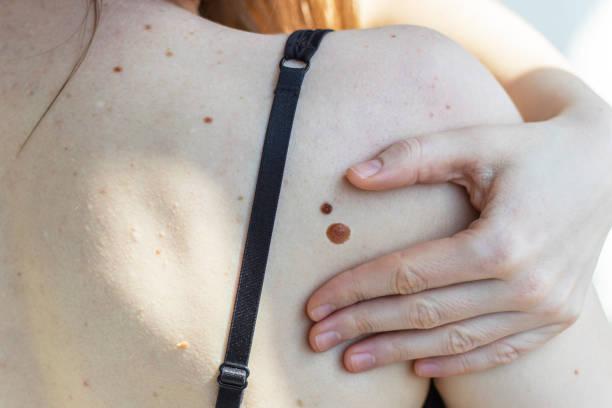
The First 24-48 Hours: The Most Critical Window
The period immediately following your procedure is when your skin is most vulnerable. During this time, it is essential to:
-
Keep the dressing clean and dry: This protects the wound from bacteria and provides a physical barrier while the skin begins to heal .
-
Avoid touching the wound: Your hands carry bacteria; touching the area can introduce infection .
-
Keep the dressing intact: Do not remove the dressing unless instructed, as it protects the wound from contaminants .
Daily Hygiene Practices for Safe Healing
Hand Hygiene Comes First
Always wash your hands thoroughly with soap and water before touching or changing your dressing. This simple step is your first line of defence against infection .
Gentle Cleansing
Once your surgeon gives you the go-ahead, gently cleanse the area with mild soap and lukewarm water . Pat it dry with a clean towel—do not rub, as this can irritate the wound. Avoid using strong soaps or antiseptics, as these can disrupt the delicate healing process.
Dressing Changes
Follow your surgeon's instructions for how often to change your dressing. Typically, a clean, non-stick bandage is applied and changed daily or if it becomes wet. This keeps the wound protected and promotes a moist healing environment .
What to Avoid After Mole Removal
Knowing what to avoid is as important as knowing what to do. To reduce your risk of infection, avoid:
-
Swimming, hot tubs, and baths: For at least 48 hours, and often longer, avoid these activities as they introduce bacteria to your wound .
-
Heavy exercise and sweating: Excessive sweating can irritate the wound and increase the risk of infection. Avoid strenuous activity for a few days .
-
Makeup and skincare products: Keep the area free of cosmetics and lotions until the wound is fully healed to prevent irritation and infection .
Signs of Infection: When to Seek Help
While proper hygiene significantly reduces your risk, it is important to recognize the signs of an infection. If you experience any of the following, contact your dermatologist immediately:
-
Pain that increases or becomes severe
-
Redness or swelling that spreads or worsens
-
Discharge or pus from the wound
-
Fever or chills
-
Bleeding that does not stop
Prompt treatment with antibiotics is usually effective, but early recognition is key. Your safety after Mole Removal in Riyadh depends on vigilant aftercare.
For those seeking expert guidance and customized aesthetic care, you can book an appointment consultation at the Enfield Royal Clinic.
Frequently Asked Questions
How do I prevent infection after mole removal?
Keep the wound clean and dry, wash your hands before touching the area, follow dressing change instructions, and avoid swimming and heavy sweating .
What are the signs of an infected mole removal site?
Symptoms include increasing redness or swelling, pain, discharge or pus, and fever .
When can I shower after mole removal?
Your surgeon will provide specific instructions, but typically you can shower 24 to 48 hours after the procedure, avoiding direct water pressure on the wound .
Why is swimming not allowed after mole removal?
Pools, oceans, and hot tubs contain bacteria that can enter the healing wound and cause infection .
What should I do if I see signs of infection?
Contact your dermatologist immediately. Do not wait, as early treatment with antibiotics is essential to prevent complications .

 English
 French
 Spanish
 Portuguese
 Deutsch
 Turkish
 Dutch
Dutch
 Italiano
 Russian
 Romaian
 Portuguese (Brazil)
 Greek
Greek