


Alanine Aminotransferase Blood Test: Does Fasting Matter?
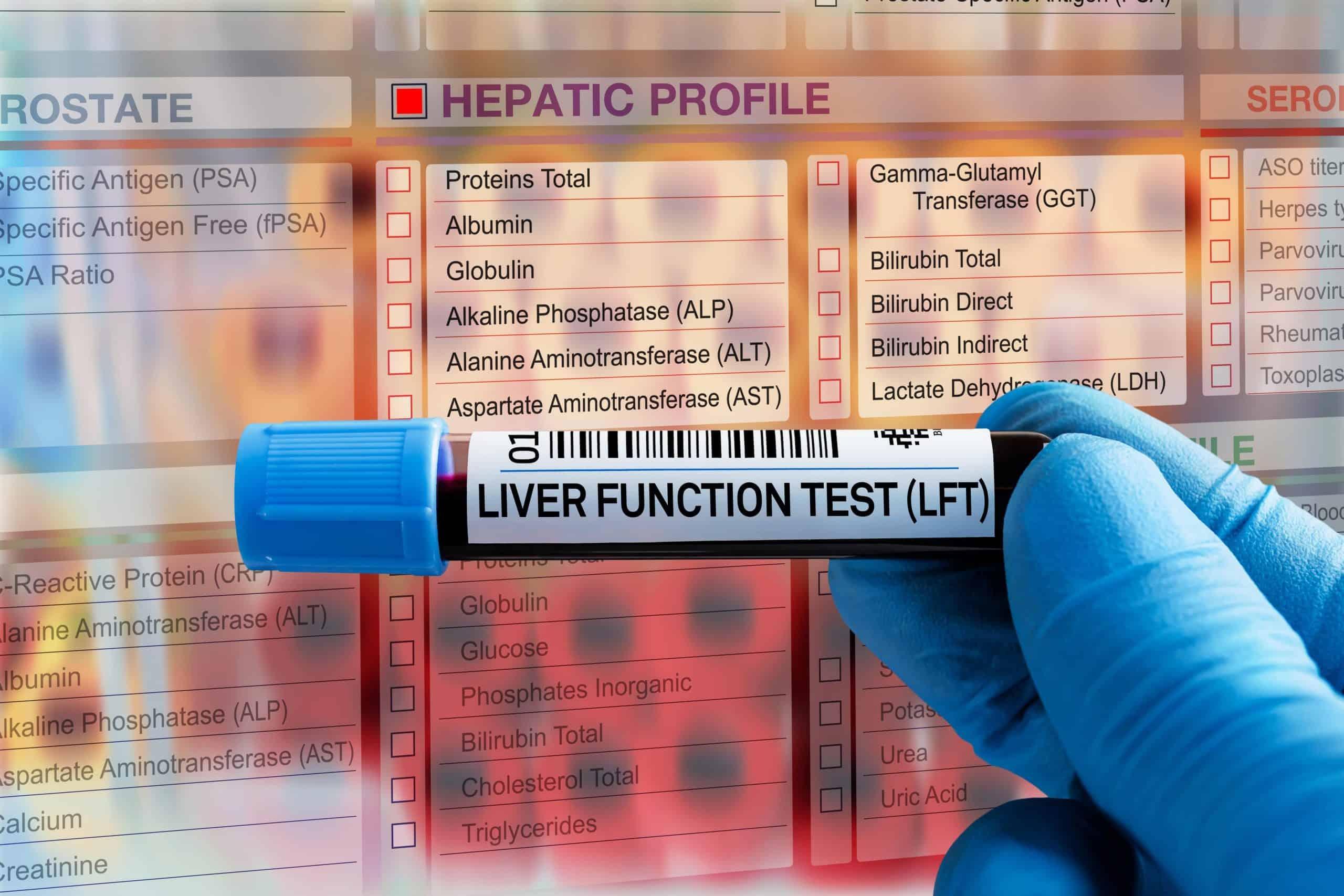
If your doctor has ordered an alanine aminotransferase blood test, you may wonder whether you need to avoid food beforehand. The answer is not always straightforward because fasting requirements can depend on the other blood tests being performed at the same appointment.
ALT, commonly called alanine aminotransferase, is a liver enzyme found primarily inside liver cells. An Alanine Aminotransferase Blood Test in Dubai helps healthcare professionals look for signs of liver cell injury and is often included in a broader liver panel or comprehensive blood work.
For an ALT test by itself, fasting is generally not the main factor that determines whether the result is useful. However, food intake can matter for some other laboratory tests commonly ordered at the same time.
Understanding when fasting matters can help you prepare correctly and avoid having to repeat your blood test.
The Short Answer: Does ALT Testing Require Fasting?
An ALT blood test alone does not always require fasting.
Whether you need to fast depends on the specific laboratory tests your healthcare professional has ordered and the instructions provided by your laboratory or clinic.
For example, ALT may be tested alongside blood glucose or a lipid profile. Some tests have specific preparation requirements, so your healthcare provider may ask you to fast even though ALT itself may not require it.
The safest approach is simple: follow the preparation instructions given for your particular blood test.
Do not assume that fasting is unnecessary simply because ALT is being measured.
Why Is ALT Measured?
ALT is an enzyme involved in normal metabolic processes.
It is found in several tissues, but it is particularly concentrated in the liver. When liver cells become irritated or injured, ALT can be released into the bloodstream.
An elevated ALT result can occur with several conditions, including:
-
Fatty liver disease
-
Viral hepatitis
-
Medication-related liver injury
-
Alcohol-related liver injury
-
Certain metabolic conditions
-
Other liver disorders
ALT is therefore a useful marker when assessing liver health, but it does not identify the exact cause of an abnormal result by itself.
What Does Fasting Actually Mean?
When a healthcare professional asks you to fast before a blood test, it usually means avoiding food and caloric drinks for a specified period.
Water is often allowed and may be encouraged because good hydration can make blood collection easier.
However, fasting instructions can vary.
You may be told to avoid:
-
Food
-
Juice
-
Milk
-
Sweetened beverages
-
Coffee with added ingredients
Some medications may also require special instructions.
Never change how you take an important prescribed medicine simply because you are fasting unless your healthcare professional tells you to do so.
Why Might Your Doctor Ask You to Fast?
The reason is often related to other blood tests, not ALT itself.
For example, a healthcare professional may order ALT together with tests that evaluate blood sugar or cholesterol and triglycerides.
Food intake can affect some of these measurements.
If several tests are being performed together, your doctor may recommend fasting so that the laboratory results can be interpreted appropriately.
This is why it is important to look at the entire test order rather than focusing only on ALT.
ALT and Blood Sugar Testing:
ALT is sometimes included in blood work for people being evaluated for metabolic health.
A fasting blood glucose test measures blood sugar after a period without food.
Because eating can increase blood glucose, fasting may be important when this specific test is ordered.
If your laboratory appointment includes both ALT and fasting glucose, you may receive fasting instructions even though the ALT measurement itself does not necessarily require fasting.
ALT and Cholesterol Testing:
Lipid testing may include measurements such as:
-
Total cholesterol
-
LDL cholesterol
-
HDL cholesterol
-
Triglycerides
Depending on the specific lipid test and clinical situation, fasting may be recommended.
Triglycerides can be influenced by recent food intake, which is one reason your healthcare professional may request fasting before a broader blood panel.
Again, the fasting requirement may be driven by the lipid testing rather than the ALT measurement.
Does Eating Change ALT?
Eating does not generally make ALT unusable in the same way that food can directly affect some metabolic blood measurements.
However, laboratory results can be influenced by many factors, and preparation instructions are designed to make testing as consistent and clinically useful as possible.
If your healthcare professional has specifically instructed you to fast, follow those instructions even if ALT is the only liver enzyme you are thinking about.
What If You Accidentally Eat Before the Test?
Do not panic.
Tell the healthcare professional or laboratory staff what you ate and when you ate it.
They can determine whether the scheduled tests can still be performed or whether the appointment should be changed.
This is especially important if your blood work includes fasting glucose, triglycerides, or another test for which fasting preparation is relevant.
Being honest about your preparation is more useful than trying to hide an accidental meal.
What Can You Drink While Fasting?
In many cases, plain water is allowed during fasting.
Staying hydrated can make the blood draw easier.
However, drinks containing calories may interfere with tests that require fasting.
If you are unsure whether coffee, tea, flavored water, or another beverage is permitted, check with your healthcare provider or laboratory before the appointment.
Preparation instructions from the testing facility should take priority.
Can You Take Your Regular Medication?
This depends on the medication.
Some medicines should be taken normally, while others may need special timing around fasting blood work.
Do not skip a prescribed medicine without professional guidance.
Before your appointment, ask whether you should take your regular medications with water as usual.
Also tell the healthcare professional about vitamins, herbal products, and dietary supplements you use, because some substances can affect laboratory results or liver health.
Other Factors Can Affect ALT Results:
Fasting is only one small part of blood test preparation.
ALT levels can also be influenced by factors such as:
Medications:
Certain prescription and over-the-counter medicines can affect liver enzymes.
Supplements:
Some herbal or dietary supplements may influence liver enzymes.
Alcohol Intake:
Alcohol can affect liver health and may contribute to changes in liver enzymes.
Recent Illness:
Temporary illnesses can sometimes affect laboratory results.
Physical Activity:
Intense exercise can influence certain blood measurements, and your healthcare professional may consider recent strenuous activity when interpreting abnormal results.
Body Weight and Metabolic Health:
Conditions associated with metabolic health, including fatty liver disease, can contribute to elevated ALT.
These factors may matter even when you follow fasting instructions perfectly.
Should You Avoid Exercise Before an ALT Test?
There is no universal rule that everyone must avoid exercise before ALT testing.
However, strenuous physical activity can influence some laboratory measurements.
If you regularly perform intense exercise and receive an unexpected ALT result, tell your healthcare professional.
They can determine whether recent activity could have contributed to the result and whether repeat testing is appropriate.
Should You Avoid Alcohol Before ALT Testing?
If your healthcare professional has advised you to avoid alcohol before the test, follow those instructions.
More broadly, alcohol consumption can be relevant when evaluating abnormal liver enzymes because it can affect liver health.
If your ALT is elevated, tell your doctor about your alcohol intake honestly so the result can be interpreted accurately.
Do You Need to Fast for a Liver Function Test?
A liver function test may include several measurements, such as ALT, AST, bilirubin, alkaline phosphatase, albumin, and other markers.
Whether fasting is required depends on the complete group of tests ordered.
Some liver-related blood panels can be performed without fasting, while additional tests ordered at the same time may have different preparation requirements.
Always follow the instructions from your healthcare provider or laboratory.
Why Following Preparation Instructions Matters?
Correct preparation can reduce unnecessary variation in laboratory measurements.
If a test requires fasting and you eat beforehand, the result may not be comparable with a properly prepared measurement.
This can sometimes lead to repeat testing or confusion about whether a result is genuinely abnormal.
When your healthcare provider gives you specific instructions, consider them part of the test itself.
A Simple Preparation Checklist:
If you have an ALT blood test coming up, use this checklist:
1. Check the test order.
Find out whether ALT is being tested alone or as part of a larger panel.
2. Confirm fasting requirements.
Ask your doctor or laboratory whether you need to avoid food and for how long.
3. Drink water if permitted.
Plain water is commonly allowed during fasting.
4. Ask about medication.
Find out whether your regular medicines should be taken before the appointment.
5. Mention supplements.
Tell your healthcare professional about vitamins, herbal products, and other supplements.
6. Follow the laboratory's instructions.
If their preparation instructions differ from general advice, follow the instructions specific to your appointment.
What Happens During the ALT Blood Test?
The actual ALT test is usually straightforward.
A healthcare professional cleans the skin, places a band around the upper arm, inserts a small needle into a vein, and collects a blood sample into one or more tubes.
The needle is then removed and pressure is applied to the area.
The procedure usually takes only a few minutes.
You may feel a brief pinch or pressure during the blood draw.
What Happens After the Blood Draw?
Once your sample has been collected, you can usually return to your normal eating and drinking routine unless you have other instructions.
If you were fasting, having a meal afterward can help you return to your normal routine.
Some people feel lightheaded after fasting or having blood drawn. If this happens, tell the healthcare professional and sit or rest until you feel better.
How Are ALT Results Interpreted?
Your laboratory report will usually provide an ALT value along with a reference range.
Reference ranges can vary between laboratories, so it is best to use the range printed on your report.
An ALT result outside the reference range does not automatically mean that you have serious liver disease.
Your healthcare professional may interpret ALT together with:
-
AST
-
Bilirubin
-
Alkaline phosphatase
-
GGT
-
Albumin
-
Medical history
-
Symptoms
-
Medications
-
Imaging findings
The overall pattern is more informative than one number.
What If Your ALT Is High?
An elevated ALT can have many possible causes.
Your doctor may review your medications, supplements, metabolic health, recent illness, alcohol intake, and other risk factors.
Depending on the situation, you may need repeat liver enzymes, additional blood tests, or imaging.
Do not attempt to diagnose the cause from ALT alone.
What If Your ALT Is Normal?
A normal ALT is generally reassuring, but it does not rule out every liver condition.
Some people with liver disease can have ALT within the laboratory reference range.
If you have symptoms, known liver disease, or significant risk factors, your healthcare professional may recommend additional assessment regardless of the ALT result.
The Bottom Line:
Does fasting matter for an alanine aminotransferase blood test?
It depends.
ALT itself does not always require fasting, but the test may be ordered alongside blood glucose, cholesterol, triglycerides, or other measurements that have specific preparation requirements.
That is why you should follow the instructions provided by your healthcare professional or laboratory rather than relying on a general fasting rule.
If you accidentally eat before a fasting blood test, tell the laboratory staff. If you take medication or supplements, ask whether they should be continued as usual.
Most importantly, remember that fasting is only one factor affecting an ALT result. Your medications, metabolic health, recent illness, exercise, alcohol intake, and other clinical factors can also influence liver enzyme levels.
Good preparation helps make your blood Lab tests as useful as possible, while proper medical interpretation ensures that the result is understood in the context of your overall health.
Frequently Asked Questions:
Do you have to fast for an ALT blood test?
Not always. ALT alone may not require fasting, but other tests ordered at the same appointment might.
Can I drink water before an ALT test?
Plain water is commonly allowed during fasting, but follow the instructions provided by your healthcare professional or laboratory.
Can I drink coffee before an ALT test?
If you have been instructed to fast, ask whether coffee is permitted. Plain water is generally the safest choice when fasting instructions are unclear.
What if I eat before my ALT blood test?
Tell the laboratory staff. They can determine whether the scheduled tests can still be performed or whether another appointment is needed.
Should I stop taking medication before an ALT test?
Do not stop prescribed medication unless your healthcare professional specifically instructs you to do so.
Can supplements affect ALT?
Yes. Some dietary and herbal supplements can affect liver enzymes. Tell your healthcare professional about all supplements you take.
Does fasting lower ALT?
Fasting should not be viewed as a way to deliberately lower an ALT result. The purpose of preparation is to obtain an appropriate and interpretable laboratory measurement.
Can exercise affect ALT results?
Intense physical activity can influence some blood measurements. Tell your healthcare professional if you have recently performed unusually strenuous exercise.
Does an ALT test check liver function?
ALT mainly provides information about possible liver cell injury. It is only one part of a broader assessment of liver health.
Can a normal ALT rule out liver disease?
No. Some liver conditions can exist even when ALT is within the laboratory reference range.
What should I do if my ALT is elevated?
Discuss the result with your healthcare professional. They can consider your other liver tests, medical history, medications, symptoms, and risk factors before deciding whether further testing is needed.

 English
 Arabic
 French
 Spanish
 Portuguese
 Deutsch
 Turkish
 Dutch
Dutch
 Italiano
 Russian
 Romaian
 Portuguese (Brazil)