


Financing For Lease Buyouts: A Comprehensive Guide for Car Lease Clients
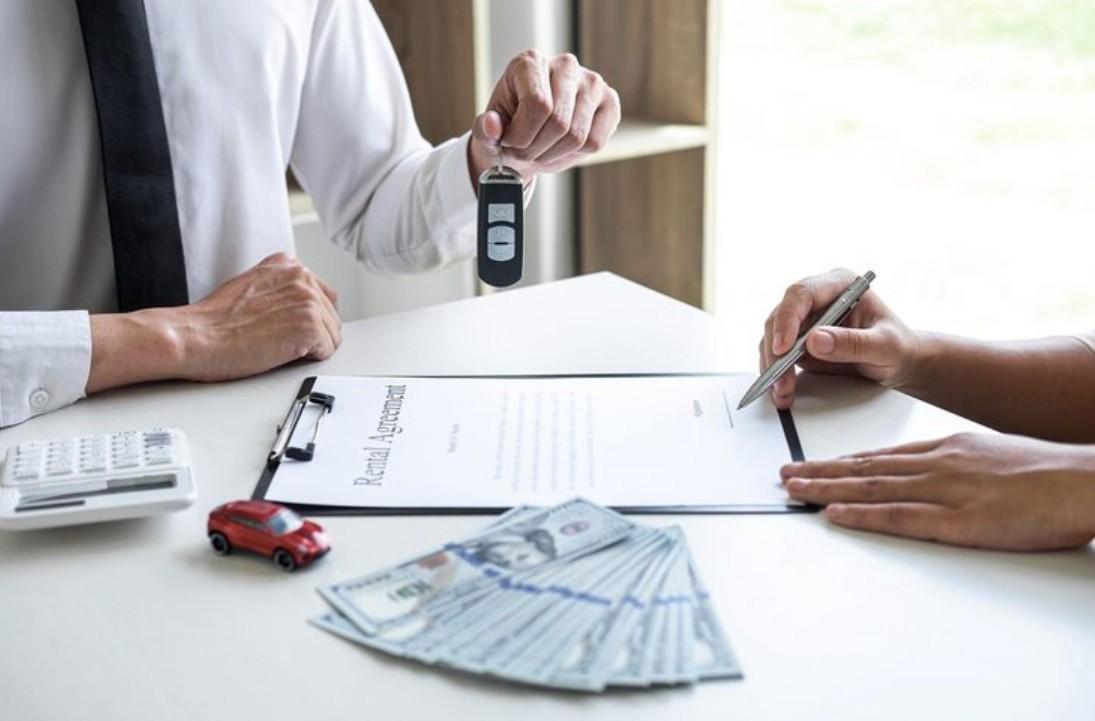
Car leasing offers undeniable convenience and flexibility, allowing drivers to enjoy the latest vehicle models with lower monthly payments than traditional financing. However, as your car lease approaches its expiration, you might find yourself loving your current vehicle and not wanting to part ways.
In such cases, a lease buyout becomes an attractive option. But how do you finance a lease buyout, and what should you consider before making this important decision? This guide provides a clear and practical overview of financing lease buyouts for anyone exploring this route in the car lease industry.
Understanding Lease Buyouts
When your car lease term is nearing its end, you usually face a few options. You can return the car and walk away, lease a new vehicle, or purchase your leased car outright through a lease buyout. A lease buyout means paying the residual value specified in your lease agreement, plus any applicable fees, to become the full owner of your vehicle.
Lease buyouts are appealing for several reasons. Maybe your car has served you well, you know its history, and you want to avoid start-up costs or uncertainties with a new vehicle. Perhaps the market value of your car exceeds the residual value, making the purchase financially savvy.
How Does Lease Buyout Financing Work?
A lease buyout typically involves securing a loan to cover the car’s residual value and any other fees. The process shares similarities with a traditional auto loan, but there are unique considerations:
1. Know Your Residual Value
This is the predetermined amount your leasing company estimates your car’s worth at the end of the lease. Read your lease contract carefully so you are prepared.
2. Shop for Financing Options
You can secure financing for a lease buyout through banks, credit unions, online lenders, or sometimes directly from the dealership. Compare interest rates, loan terms, and any special conditions each lender offers.
3. Apply and Get Approved
The lender will check your credit score, income, and current financial obligations. A strong credit profile can help you secure better rates.
4. Finalize the Purchase
Once approved, the lender pays off the residual value to the leasing company, and you’ll begin making monthly payments to your lender until the loan is repaid.
Key Benefits of Financing Your Lease Buyout
Financing a lease buyout has several compelling advantages, especially for those who appreciate the car they already know:
-
No need to search for a new car: You avoid the hassle and can keep driving the vehicle you trust.
-
Potential cost savings: If your car’s market value is higher than your buyout price, you get a solid deal.
-
Familiarity: You know how the car has been maintained and handled, reducing the risk of hidden issues.
Important Considerations Before Moving Forward
A lease buyout is not the right move for everyone. Before proceeding, carefully assess:
-
The overall condition of your vehicle. Consider an independent inspection.
-
The market value of your car. If it is lower than the residual value, a buyout may not be cost-effective.
-
The terms of the new loan, including the interest rate, length, and total cost after interest.
-
Any additional fees from the leasing company or lender.
Tips for a Successful Lease Buyout
Take time to gather and review all the facts. Obtain quotes from multiple lenders and negotiate terms where possible. Prepare all required documentation in advance, including lease agreement, proof of income, and credit information. Always read the fine print before signing.
Frequently Asked Questions
What credit score do I need for a lease buyout loan?
Most lenders prefer a credit score of at least 600, with better rates available to those with higher scores. Some lenders may consider applicants with fair credit, but interest rates might be higher.
Can I finance a lease buyout with my existing bank?
Yes, many banks and credit unions offer lease buyout loans. Check with your current financial institution to compare their rates and terms with those of other lenders.
Are there additional fees in a lease buyout?
Yes, in most cases. You can expect to pay the residual value plus sales tax, title and registration fees, and sometimes a purchase option fee as specified in your lease agreement.
How soon should I apply for lease buyout financing?
Start the process one to two months before your lease ends. This gives you time to shop rates, get approval, and address any paperwork or vehicle inspections required by your lender.
Final Thoughts
Deciding to finance a lease buyout is a major financial decision that can benefit you if you want to keep your current car and the numbers make sense. Take your time to research, compare options, and run the numbers. With a clear understanding of the process and careful financial planning, a lease buyout can be a smart step that puts you in the driver’s seat, literally and financially.
If you have questions specific to your car lease or need advice on lease buyout financing, working with experts in the auto leasing industry can help you navigate the process with confidence.

 English
 Arabic
 French
 Spanish
 Portuguese
 Deutsch
 Turkish
 Italiano
 Russian
 Romaian
 Portuguese (Brazil)
 Greek
Greek