


Zirconia Ceramics Zfcera For Advanced Mechanical Designs
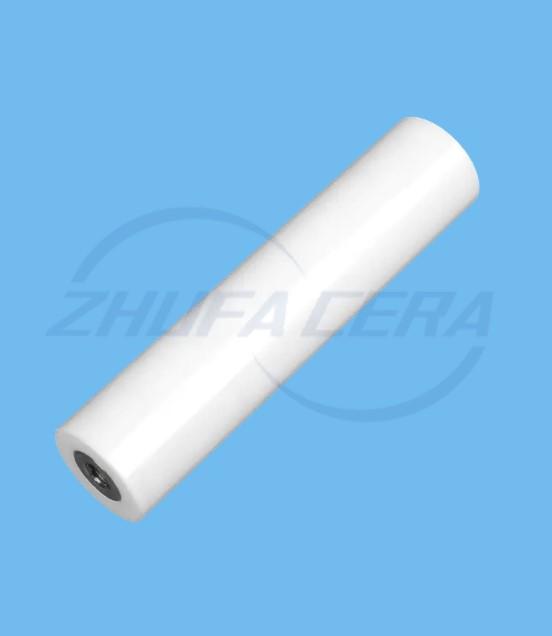
When ceramic components need a stronger combination of toughness, hardness, and dimensional precision, Zirconia Ceramics can offer an interesting solution for specialized industrial designs. For manufacturers developing components that face repeated mechanical contact or demanding operating conditions, zfcera provides zirconia ceramic options suited to different engineering requirements. With their distinctive mechanical characteristics, Zirconia Ceramics can be considered for applications where conventional ceramics or other materials may not provide the desired balance of durability and precision, while zfcera supports customized ceramic component development for a variety of technical uses.
What Makes Zirconia Different?
Zirconia is a technical ceramic material known for characteristics that distinguish it from many conventional ceramic materials. One of its notable advantages is its combination of hardness and comparatively high fracture toughness.
This balance can be useful when a component must withstand repeated mechanical interaction without being overly vulnerable to certain forms of damage. Zirconia can also provide a smooth and refined surface when appropriately processed, making it suitable for components where dimensional accuracy and surface quality are important.
Material selection still depends on the application. Different zirconia grades can provide different performance characteristics, so engineers should consider the actual working conditions before choosing a specific material.
Zfcera Solutions For Precision Geometries
Modern equipment often requires components with more than simple cylindrical or flat shapes. Ceramic parts may need holes, grooves, curved profiles, thin sections, or other carefully controlled features to fit into compact assemblies.
Zirconia can be machined and finished to create components with specialized geometries. This provides opportunities for manufacturers developing parts around particular mechanical layouts or equipment requirements.
For customized projects, technical drawings and dimensional specifications can help define the required shape, tolerances, surface characteristics, and manufacturing approach. This application-oriented process can make zirconia a useful option for OEM components and specialized machinery.
Strength For Repeated Mechanical Contact
Some components operate under continuous movement, pressure, friction, or repeated contact. In these situations, mechanical durability becomes an important part of material selection.
Zirconia's combination of hardness and toughness can make it suitable for selected wear-related applications. Compared with materials that are highly hard but more brittle, zirconia can offer a useful balance for components exposed to repeated mechanical demands.
Possible applications include precision mechanical parts, wear components, guides, shafts, seals, and other specialized elements. The actual suitability depends on factors such as contact pressure, movement speed, temperature, lubrication, and surrounding materials.
Surface Quality And Dimensional Control
A component's performance is often influenced by more than its basic material properties. Surface finish and dimensional accuracy can affect how efficiently it interacts with neighboring components.
For precision ceramic applications, controlled grinding, polishing, and finishing processes can help achieve the required surface characteristics. This is particularly important for parts that need smooth contact surfaces or close dimensional matching.
Zirconia's ability to support refined component designs makes it relevant to industries where compact assemblies and precise mechanical relationships are common. Careful inspection and manufacturing control remain essential for achieving consistent results.
Finding The Right Zirconia Application
Choosing zirconia should start with a clear understanding of what the component needs to accomplish. Mechanical loading, wear conditions, environmental exposure, temperature, dimensional requirements, and installation methods all influence the final material and design decision.
When these factors are considered together, zirconia can become more than simply an alternative ceramic material. It can be part of a carefully engineered component designed around specific equipment requirements.
From precision mechanical elements to wear-resistant parts and customized industrial components, zirconia offers useful possibilities for manufacturers looking for a balance between hardness, toughness, and dimensional performance. As equipment continues to demand compact and durable components, zirconia remains a valuable material option for specialized engineering projects. To explore zirconia ceramic products and related solutions, visit https://www.zfcera.com/ .

 English
 French
 Spanish
 Portuguese
 Deutsch
 Turkish
 Dutch
 Italiano
 Russian
 Romaian
 Portuguese (Brazil)
 Greek