


What Documents Does Ballvalvefactory Ball Valve Exporter Provide for Buyers
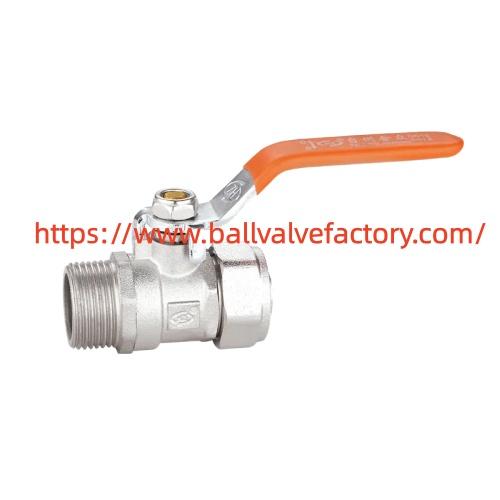
Ball Valve Exporter documentation plays an important role in international purchasing because buyers may need to verify materials, testing, conformity, product specifications, and shipment details before goods reach their destination. The exact document package depends on the product, destination, application, contract, and applicable standards. Defining these requirements before production can help both sides avoid missing records later.
One of the first documents buyers may request is a product datasheet. It normally provides useful technical information such as size range, pressure rating, body material, seat material, connection type, operating method, and applicable standards. A dimensional drawing can be useful as well, especially when the equipment needs to match an existing piping system. Buyers should compare these details with the purchase specification before approving an order.
Material documentation is another important part of a project file. A Material Test Certificate, often called an MTC, can provide information about the material used for relevant components. Depending on the project, buyers may request certificates covering the body, stem, ball, bolting, or other specified parts. EN 10204 type 3.1 certificates can include specific inspection and test results connected to the supplied material.
Traceability should also be considered. A certificate is more useful when buyers can connect it with the actual goods. Heat numbers, batch numbers, serial numbers, tags, or other identification details may be used for this purpose. Buyers can compare markings on the product with the information shown in the material records, inspection reports, and packing list. This simple comparison can help identify inconsistencies before installation.
Pressure testing is another area where supporting records may be requested. Depending on the applicable specification, a test report can identify the test type, test pressure, test medium, duration, quantity, and results. Shell testing and seat testing may be included according to the agreed requirements. Buyers should confirm the applicable testing standard and acceptance criteria during the quotation or purchase order stage.
For some projects, an Inspection and Test Plan can provide a useful framework. An ITP can define inspection stages, test requirements, review points, witness points, and document submission arrangements. This becomes particularly useful when a project involves an engineering contractor, third party inspector, or purchasing department with specific approval procedures. Agreeing on the ITP before production can make the inspection process easier to coordinate.
A Certificate of Conformity or similar conformity document may also be requested when required by the project or destination market. Buyers should not assume that one certificate applies to every country or application. Certification requirements can vary according to local regulations, industry requirements, product category, and intended use. The relevant certification should therefore be confirmed for the actual market rather than selected simply because it is commonly used elsewhere.
Additional inspection records may apply to specialized projects. Depending on the specification, buyers could request dimensional inspection reports, positive material identification records, hardness reports, non destructive examination records, coating inspection records, or other technical evidence. Not every order needs every document. The appropriate scope should be determined by the product and contractual requirements.
Shipping paperwork is another practical part of international purchasing. A commercial invoice and packing list are commonly used during shipment coordination and customs procedures. Buyers may also need a certificate of origin, bill of lading, or other documents depending on the destination and shipping arrangement. The information across these documents should remain consistent with the order, product quantity, packaging details, and commercial terms.
Packing records can also be useful before shipment. Photos may show product markings, packaging condition, shipping labels, and loading arrangements. For larger projects involving multiple sizes or specifications, these records can help purchasing teams confirm that the prepared goods correspond with the agreed order. They can also provide a visual reference before the shipment leaves the production site.
Buyers should ideally create a document checklist before placing an order. The checklist can include the datasheet, drawing, material certificates, pressure test reports, inspection records, conformity documents, packing list, commercial invoice, origin documentation, and any project specific certificates. This approach gives the manufacturer a clear target and allows missing items to be identified before shipment rather than during customs clearance or project approval.
Ballvalvefactory supports buyers who require industrial flow control products together with project related technical and shipment information. The company can discuss documentation requirements according to the product configuration, application, destination, and confirmed order conditions. This allows purchasing teams to clarify their expectations before production begins.
For buyers preparing an international valve order, it is useful to send the required document list together with the technical specification. This creates a clearer connection between the product, inspection process, and shipment records. Buyers can also review the available product range and company information at https://www.ballvalvefactory.com/ when preparing their sourcing plan.

 English
 Arabic
 French
 Spanish
 Deutsch
 Turkish
 Dutch
Dutch
 Italiano
 Russian
 Romaian
 Portuguese (Brazil)
 Greek
Greek