


HongJia Quick Joint Method for Pipe Connections Without Threading
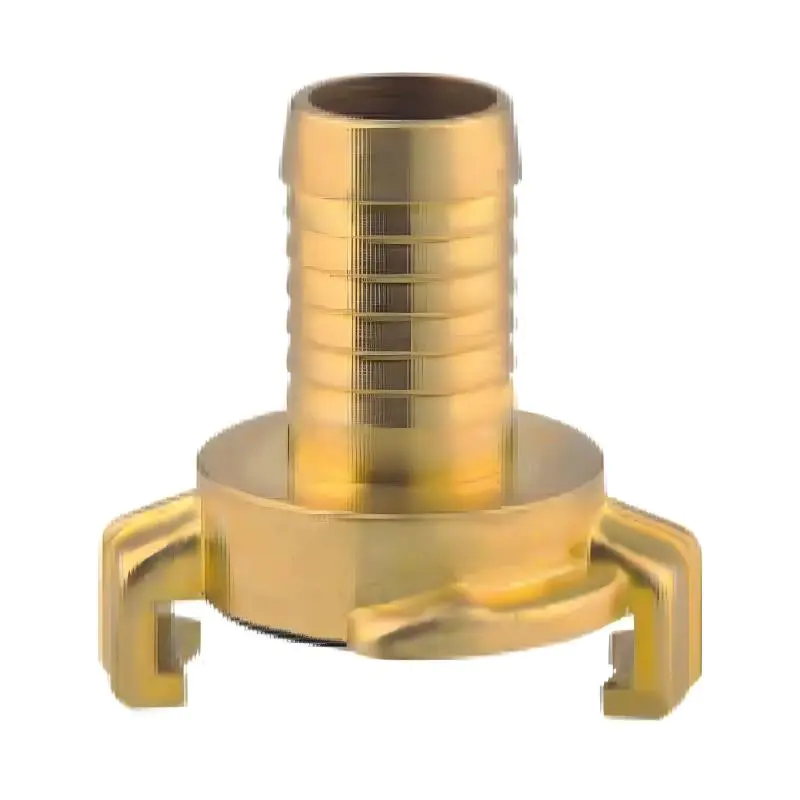
Pipe connection choices shape the speed and reliability of fluid systems in residential commercial and industrial settings. Selecting a quick joint from hongjiavalve provides a push style link that seats with firm pressure rather than rotating threads or applying flame. Traditional threaded fittings demand precise cutting of male and female threads followed by sealant tape or compound to close gaps while soldered joints require cleaning flux application and controlled heat to melt filler metal into the joint. Have you examined how these contrasting steps affect overall project flow on site?
Preparation remains essential for every method. Surfaces must stay free of dirt oil and burrs so the seal engages fully. For a push connection the installer cuts the tube square deburrs the edge and marks the insertion depth then advances the pipe straight into the fitting until it reaches the stop. An internal grip ring and dual seals lock the tube in place under working pressure. Threaded work involves matching thread sizes applying lubricant and turning the components until the desired torque is reached. Excess force can crack fittings while insufficient turns leave leaks. Soldered assembly needs flux on both surfaces assembly of the parts and even heating around the circumference until the solder flows by capillary action. Overheating damages the base metal and underheating creates weak bonds.
The absence of open flame removes fire risk in confined spaces and eliminates the need for hot work permits in many facilities. Threaded systems still require wrenches that can scar finished surfaces and demand space for tool swing. Soldered joints produce fumes that call for ventilation and cooling time before pressure testing. A push style connection allows immediate visual confirmation of full insertion and supports later removal with a dedicated release tool so components can shift position without cutting the line. Grip rings designed for copper stainless and plastic tubing maintain hold under vibration and temperature change when the initial insertion is complete.
Material compatibility extends across common tube types. Copper receives the same clean push action as PEX or CPVC once the end is prepared. Traditional solder works primarily on copper and requires matching alloys while threaded joints need exact size matches and often transition adapters for mixed materials. Seal design in the push fitting uses elastomers rated for water air and certain gases within stated pressure and temperature ranges. Periodic inspection focuses on the exterior for signs of movement rather than retightening or reheating.
Maintenance follows a straightforward path. After installation wipe any residue and confirm the insertion mark remains visible. Should repositioning become necessary the release tool expands the grip ring so the tube withdraws cleanly. Threaded fittings may seize over time from corrosion and require cutting for separation. Soldered joints are permanent in practice and force section replacement when changes arise. Storage of unused push fittings keeps protective caps in place to guard the internal seals from debris.
System designers value the reduced skill threshold for consistent results. Apprentices can achieve full insertion after brief practice while threaded work still depends on feel for proper engagement and soldered work depends on temperature judgment. Training time shortens and error rates decline when the connection relies on mechanical stop rather than operator interpretation of torque or heat color.
When a project calls for a complete quick joint series that covers multiple diameters and configurations installers often review the selection available at https://www.hongjiavalve.com/ where the range supports repeated assembly without additional specialized tools. Consistent practice with the push sequence builds reliable habits that keep fluid systems sealed under normal operating conditions.

 English
 Arabic
 French
 Spanish
 Portuguese
 Deutsch
 Turkish
 Dutch
Dutch
 Italiano
 Russian
 Portuguese (Brazil)
 Greek
Greek