


Microbiome Test and the Gut-Brain Connection: What Research Shows
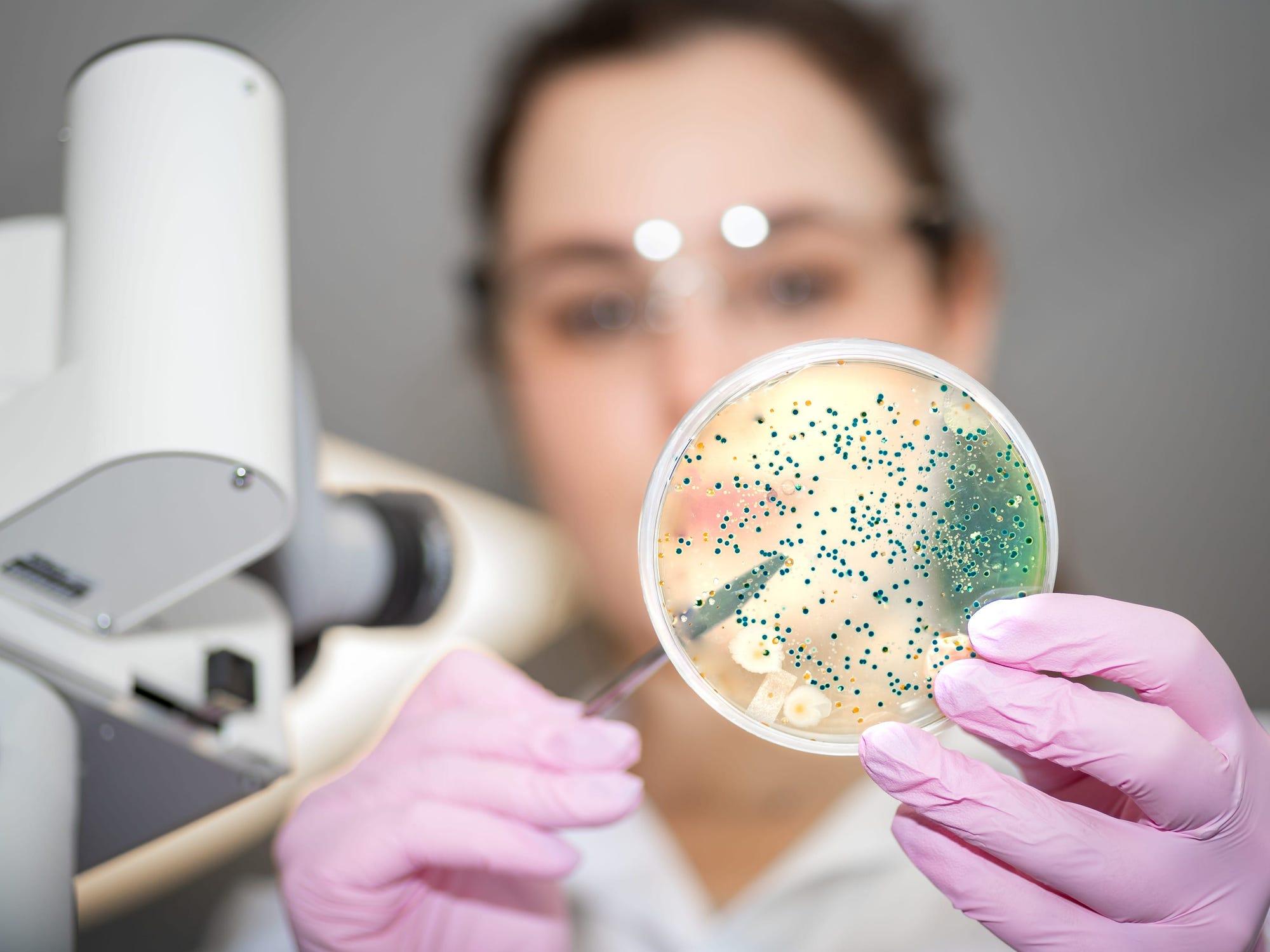
The gut and brain are connected through a complex network of biological pathways. Researchers have been studying how the Gut Microbiome Test Dubai may interact with the nervous system, immune system, hormones, and metabolism, leading to growing interest in the gut-brain connection.
This interest has also increased demand for microbiome testing. People often wonder whether a microbiome test can reveal bacterial patterns linked to mood, stress, memory, sleep, or other aspects of brain health.
The science is intriguing, but it is important to separate established biology from emerging research. A microbiome test can describe microorganisms found in a stool sample, but it cannot currently provide a complete explanation of how someone's gut is affecting their brain.
Understanding what researchers actually know can help put microbiome testing into perspective.
The Gut and Brain Are in Constant Communication:
The gut-brain connection is not simply a direct conversation between intestinal bacteria and the brain. It involves several overlapping biological systems.
The gut-brain axis includes communication through:
-
The nervous system
-
Immune signaling
-
Hormonal pathways
-
Microbial metabolites
-
The intestinal barrier
-
Circulatory pathways
The vagus nerve is one important communication route between the gastrointestinal tract and the nervous system. At the same time, microorganisms in the intestine can influence the chemical environment of the gut through their metabolic activity.
This creates a two-way relationship. Signals from the brain can affect gastrointestinal function, while conditions in the gut can influence signals traveling toward the brain.
Where the Microbiome Enters the Picture?
The intestinal microbiota contains a large community of microorganisms that interact with food and with one another.
Some microorganisms can produce or modify biologically active compounds. Among the best-studied microbial products are short-chain fatty acids, which are produced when certain dietary components are fermented by gut microorganisms.
Gut microbes can also interact with bile acids and other metabolic compounds.
These substances may influence intestinal cells, immune activity, metabolism, and signaling pathways that are relevant to the nervous system.
This does not mean that a particular bacterium directly controls a person's mood. The relationship is much more complicated and involves the entire microbial ecosystem and the host environment.
Why Researchers Are Interested in Mood and Mental Health?
Researchers have investigated associations between the gut microbiome and conditions involving mood and mental health, including depression and anxiety.
Some studies have reported differences in microbial composition between groups of people with and without certain mental health conditions.
However, an association does not establish causation.
For example, people experiencing depression may have differences in diet, physical activity, sleep, medication use, stress, and other health factors. Any of these variables can also influence the gut microbiome.
This makes it difficult to determine whether microbial changes contribute to a condition, result from it, or occur alongside it.
The strongest scientific conclusions therefore require carefully controlled studies rather than simple comparisons of bacterial abundance.
What a Microbiome Test Can Actually Tell You?
A microbiome test generally analyzes microbial DNA from a sample, most commonly stool.
Depending on the laboratory method, it may provide information about:
-
Microbial composition
-
Taxonomic classification
-
Relative abundance
-
Microbial diversity
-
Potential functional genes
-
Predicted metabolic pathways
16S rRNA sequencing primarily provides bacterial taxonomic information by analyzing a specific genetic marker.
Shotgun metagenomic sequencing examines a broader collection of microbial DNA and can provide more detailed information about microbial genes and potential functions.
Neither approach directly measures mood, anxiety, cognitive performance, or brain activity.
That distinction is essential.
What Your Test Cannot Tell You About the Brain?
A microbiome test cannot reliably tell you that a particular bacterial pattern is causing:
-
Anxiety
-
Depression
-
Brain fog
-
Poor concentration
-
Memory problems
-
Insomnia
-
Stress
-
Mood changes
Finding a microbial association does not establish a biological cause.
For example, if a report shows a lower relative abundance of a particular organism, that finding alone cannot demonstrate that the organism's absence caused a person's emotional or neurological symptoms.
Brain and mental health outcomes involve genetics, environment, behavior, physiology, social factors, medical conditions, and many other influences.
The Role of Microbial Metabolites:
One of the most interesting areas of gut-brain research involves microbial metabolites.
Gut microorganisms can transform dietary compounds and produce metabolites that interact with the host.
Short-chain fatty acids are particularly important in microbiome research because they are involved in intestinal and metabolic processes and may influence immune and barrier functions.
Other microbial products can interact with host signaling pathways.
However, identifying the genes responsible for producing a metabolite is not the same as measuring how much of that metabolite is actually present.
This is an important limitation of DNA-based microbiome testing.
Microbial Genes Are Not the Same as Microbial Activity:
A shotgun metagenomic test may identify genes associated with particular metabolic capabilities.
But genetic potential does not automatically equal biological activity.
A microorganism may contain a gene without actively using it under the conditions present in the intestine.
Actual microbial behavior can depend on available nutrients, environmental conditions, interactions with other microorganisms, host physiology, and many other variables.
This is why researchers may combine metagenomics with metabolomics and other laboratory approaches when studying the functional relationship between the microbiome and the brain.
The Immune System May Help Connect the Two:
The gut contains a large and highly active immune environment.
Microbial communities interact with intestinal tissues and can influence immune signaling. At the same time, immune activity can affect the intestinal environment in which microorganisms live.
Researchers are investigating whether changes in microbial communities and immune signaling may contribute to pathways relevant to neurological health.
But these mechanisms are still being studied.
It would be inappropriate to interpret a consumer microbiome report as a direct measurement of inflammation in the brain or a prediction of future neurological disease.
The Gut Barrier and the Brain:
The intestinal barrier helps regulate what moves between the digestive tract and the body's internal environment.
Researchers are examining how microbial metabolites, immune signals, diet, and intestinal barrier function interact.
The concept is sometimes discussed alongside the blood-brain barrier, which provides another important protective interface around the central nervous system.
Although these systems are biologically connected in complex ways, a standard stool microbiome test does not directly measure the integrity of either barrier.
Therefore, claims that a microbiome report can diagnose a “leaky gut” or determine brain barrier health should be viewed critically.
Stress Can Affect the Gut Too:
The gut-brain connection works in both directions.
Stress can influence gastrointestinal movement, appetite, digestive secretions, and other aspects of gut function. These changes can alter the environment experienced by intestinal microorganisms.
This creates an important research challenge.
If a study finds differences in the gut microbiome of people experiencing chronic stress, researchers must consider whether stress influenced the microbiome, the microbiome influenced stress-related biology, or whether both were affected by additional factors.
The relationship may involve feedback loops rather than a single cause.
What About Sleep?
Sleep is another area of active research.
Poor sleep can affect metabolism, immune function, hormones, eating behavior, and daily routines. These factors can potentially influence microbial communities.
At the same time, researchers are investigating whether microbial signals may influence biological pathways involved in sleep and circadian rhythms.
Current evidence supports continued investigation, but a microbiome test should not be used as a standalone diagnostic test for sleep disorders.
If someone has persistent sleep problems, appropriate evaluation should address established causes and treatments.
Why Individual Microbiomes Make Research Difficult?
There is no single microbiome profile shared by all healthy people.
Two people can have substantially different microbial communities while both being healthy.
Microbial diversity, dietary habits, age, medication use, geography, lifestyle, genetics, and health history can all contribute to differences.
This creates a major challenge when researchers try to identify microbial patterns associated with neurological or psychological conditions.
A bacterial difference between two groups may be statistically interesting without being useful for predicting what will happen in an individual.
Why Stool Testing Has Important Limits?
Most microbiome tests analyze stool because it is accessible and contains microbial DNA.
However, stool represents only one part of the gastrointestinal microbial ecosystem.
Microorganisms living closer to the intestinal lining may differ from those found in fecal material. Microbial activity can also vary throughout the digestive tract.
As a result, a stool microbiome profile should not be interpreted as a complete measurement of every microbial process occurring inside the body.
Can Microbiome Testing Predict Mental Health?
At present, this is an area where caution is particularly important.
Research may identify microbial associations with mental health conditions, but association is not equivalent to a validated individual prediction.
A consumer microbiome report cannot reliably establish that someone will develop depression, anxiety, cognitive decline, or another neurological condition.
Similarly, there is no scientifically established bacterial profile that can be used as a universal target for improving mental health.
The research may eventually support more personalized applications, but those applications require strong clinical validation.
How Should You Use Gut-Brain Microbiome Information?
A sensible approach is to treat microbiome testing as a source of biological information rather than a diagnostic answer.
If you are reviewing a report, consider:
What sequencing method was used?
Does the report measure microbial composition, genes, metabolites, or only predicted functions?
Are results based on relative abundance?
What evidence supports the health interpretation?
Has the finding been validated in human clinical research?
These questions help distinguish scientific measurement from marketing claims.
Where Research Is Heading?
Future gut-brain research may combine several forms of biological data rather than relying on microbial composition alone.
Researchers are increasingly interested in integrating:
-
Metagenomic sequencing
-
Microbial metabolite measurements
-
Immune markers
-
Host genetics
-
Dietary information
-
Brain and neurological measurements
-
Long-term clinical outcomes
This broader approach may eventually help explain why some individuals respond differently to dietary or medical interventions.
However, more research is needed before microbiome testing can routinely guide neurological or mental health treatment.
The Practical Bottom Line:
The gut-brain connection is a legitimate and rapidly developing field of research. Scientists have identified several plausible communication pathways involving microbial metabolites, immune signaling, the nervous system, and intestinal function.
A microbiome test can help describe part of this biological environment, particularly microbial composition and, with certain methods, genetic potential.
But it cannot currently provide a simple explanation for mood, stress, memory, sleep, or mental health.
The most responsible interpretation is therefore neither to dismiss the microbiome nor to treat it as the hidden cause of every brain-related symptom.
Final Takeaway:
Research increasingly suggests that the gut microbiome and brain communicate through a complex, two-way network involving the nervous system, immune system, hormones, intestinal barrier, and microbial metabolites.
Microbiome Lab tests can provide useful information about the microorganisms and microbial genes represented in a stool sample. However, those measurements do not directly diagnose neurological or mental health conditions, and they cannot establish that a specific bacterial pattern caused a particular symptom.
For now, the gut-brain connection is best understood as an important area of scientific investigation rather than a simple testing formula.
As research develops, combining microbiome data with dietary, metabolic, immune, neurological, and clinical information may provide a more complete understanding of how intestinal microorganisms interact with the brain.

 English
 Arabic
 French
 Spanish
 Portuguese
 Deutsch
 Turkish
 Dutch
Dutch
 Italiano
 Romaian
 Portuguese (Brazil)
 Greek
Greek