


Sports Injury Rehabilitation: How Physiotherapy Helps Athletes Recover Faster
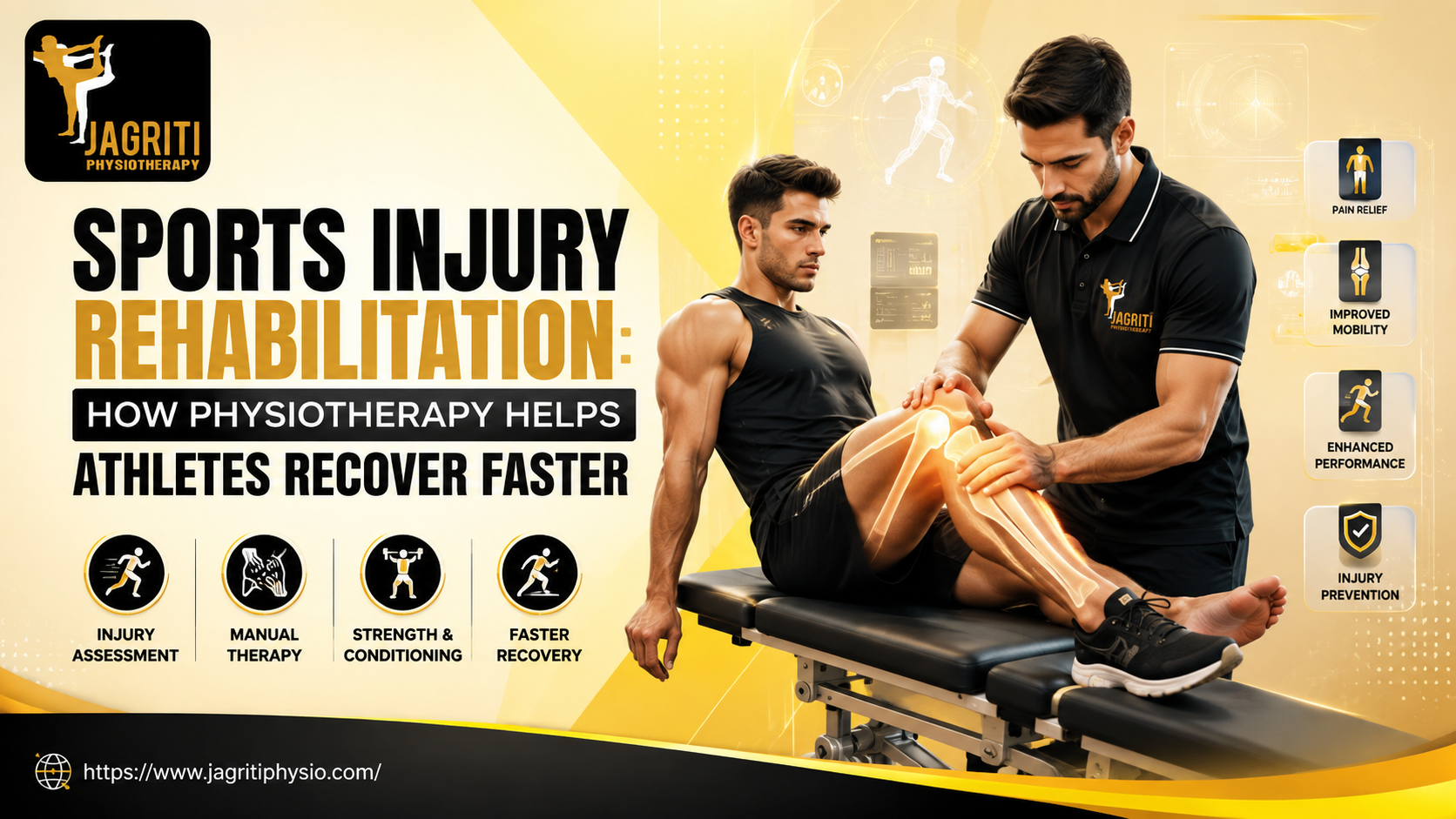
Sports can be exciting, challenging, and rewarding. Whether you play professionally, exercise regularly, or enjoy sports as a hobby, staying active is good for your body and mind. However, sports also come with the risk of injuries.
A twisted ankle, muscle strain, knee injury, shoulder problem, or ligament injury can temporarily stop you from doing what you enjoy. While rest is often an important part of recovery, simply waiting for the pain to disappear may not always be enough.
This is where sports injury rehabilitation can help. Physiotherapy focuses on restoring movement, strength, flexibility, balance, and confidence so that you can gradually return to your normal activities.
What Is Sports Injury Rehabilitation?
Sports injury rehabilitation is a structured process that helps the body recover after an injury. The goal is not only to reduce pain but also to restore the function of the injured area.
For example, after an ankle sprain, you may initially have swelling and difficulty walking. As the injury heals, rehabilitation may include gentle movements, strengthening exercises, balance training, and activities that prepare your ankle for sports again.
The rehabilitation plan depends on the type and severity of the injury, your age, physical condition, sport, and recovery goals.
Common Sports Injuries That May Need Physiotherapy
Athletes can experience many different types of injuries. Some happen suddenly, while others develop gradually because of repeated stress.
Common sports injuries include:
- Ankle sprains
- Knee injuries
- Muscle strains
- Ligament injuries
- Tennis elbow
- Shoulder injuries
- Achilles tendon problems
- Shin splints
- Lower back pain
- Rotator cuff injuries
- ACL injuries
Not every injury requires the same treatment. A physiotherapist can assess your movement and symptoms and help determine what type of rehabilitation may be appropriate.
How Does Physiotherapy Help With Sports Injuries?
1. Understanding the Injury
The first step is understanding what is causing your pain or movement problem. A physiotherapist may assess your range of motion, muscle strength, balance, coordination, and movement patterns.
This assessment helps create a rehabilitation plan based on your individual condition rather than using the same exercises for everyone.
2. Managing Pain and Swelling
Pain and swelling can make movement difficult after an injury. Depending on the condition, physiotherapy may use techniques and exercises that help manage these symptoms.
The aim is to make movement more comfortable while allowing the injured area to gradually recover.
3. Restoring Movement and Flexibility
After an injury, you may avoid moving the affected body part because of pain or fear of making the injury worse. As a result, stiffness can develop.
Gentle mobility and stretching exercises can help restore normal movement. These exercises are usually introduced gradually so that the body has enough time to adapt.
4. Building Strength Again
Muscles can become weaker when you stop exercising because of an injury. This weakness can affect your performance and may make everyday movements more difficult.
Strengthening exercises help rebuild the muscles around the injured area. The difficulty can be increased gradually as your strength improves.
For example, someone recovering from a knee injury may begin with simple controlled exercises before progressing to more demanding movements.
5. Improving Balance and Coordination
Balance and coordination are particularly important for athletes. An injury can affect how you control your body, even after the pain has improved.
Physiotherapy may include balance and coordination exercises to help you regain control and confidence. This can be especially useful after ankle, knee, or lower-limb injuries.
6. Preparing for a Safe Return to Sport
Feeling better does not always mean that your body is ready for full sports activity.
A proper rehabilitation programme gradually introduces movements that are similar to the demands of your sport. Depending on the sport and injury, this may include running, changing direction, jumping, throwing, or other sport-specific movements.
The idea is to progress step by step instead of returning to intense activity too quickly.
Why Returning Too Soon Can Be a Problem
One of the most common mistakes athletes make is returning to their sport as soon as the pain decreases.
Pain is only one part of recovery. Your strength, flexibility, balance, endurance, and movement control may still need improvement.
Returning too early can place additional stress on the recovering tissues and may increase the risk of another injury.
A gradual return allows the body to build back its capacity before taking on the full demands of sports.
Can Physiotherapy Help Prevent Future Injuries?
Rehabilitation is not only about recovering from an existing injury. It can also help identify factors that may increase injury risk.
For example, poor movement patterns, muscle weakness, limited flexibility, reduced balance, or improper training progression may contribute to certain injuries.
Learning how to warm up properly, strengthen weaker areas, improve technique, and manage training loads can help support long-term physical health.
When Should an Athlete See a Physiotherapist?
Consider getting professional advice if you have:
- Pain that does not improve with normal rest
- Persistent swelling
- Difficulty walking or using a joint
- Reduced strength or movement
- Repeated sports injuries
- Pain that returns whenever you resume training
- Difficulty returning to your previous performance level
For serious injuries, especially those involving significant swelling, deformity, inability to bear weight, or severe pain, medical assessment should be sought promptly.
Recovery Takes Time
Sports injury rehabilitation is not about rushing back onto the field. It is about helping the body recover properly and preparing it for the demands of your sport.
Physiotherapy can be one part of that process by addressing pain, movement, strength, balance, and functional performance. The exact approach depends on the individual injury and should be adjusted as recovery progresses.
For people in Jaipur looking for information about sports injury rehabilitation, Jagriti Physiotherapy provides physiotherapy services that include sports-related rehabilitation. The focus should always remain on understanding the injury, following an appropriate recovery plan, and returning to activity safely rather than simply getting back as quickly as possible.
A well-planned recovery can help athletes regain not only physical ability but also the confidence to move and perform again.

 English
 Arabic
 French
 Spanish
 Portuguese
 Deutsch
 Turkish
 Dutch
Dutch
 Italiano
 Russian
 Romaian
 Greek
Greek