


Edible Printing Adds a Creative Layer to Cake Design
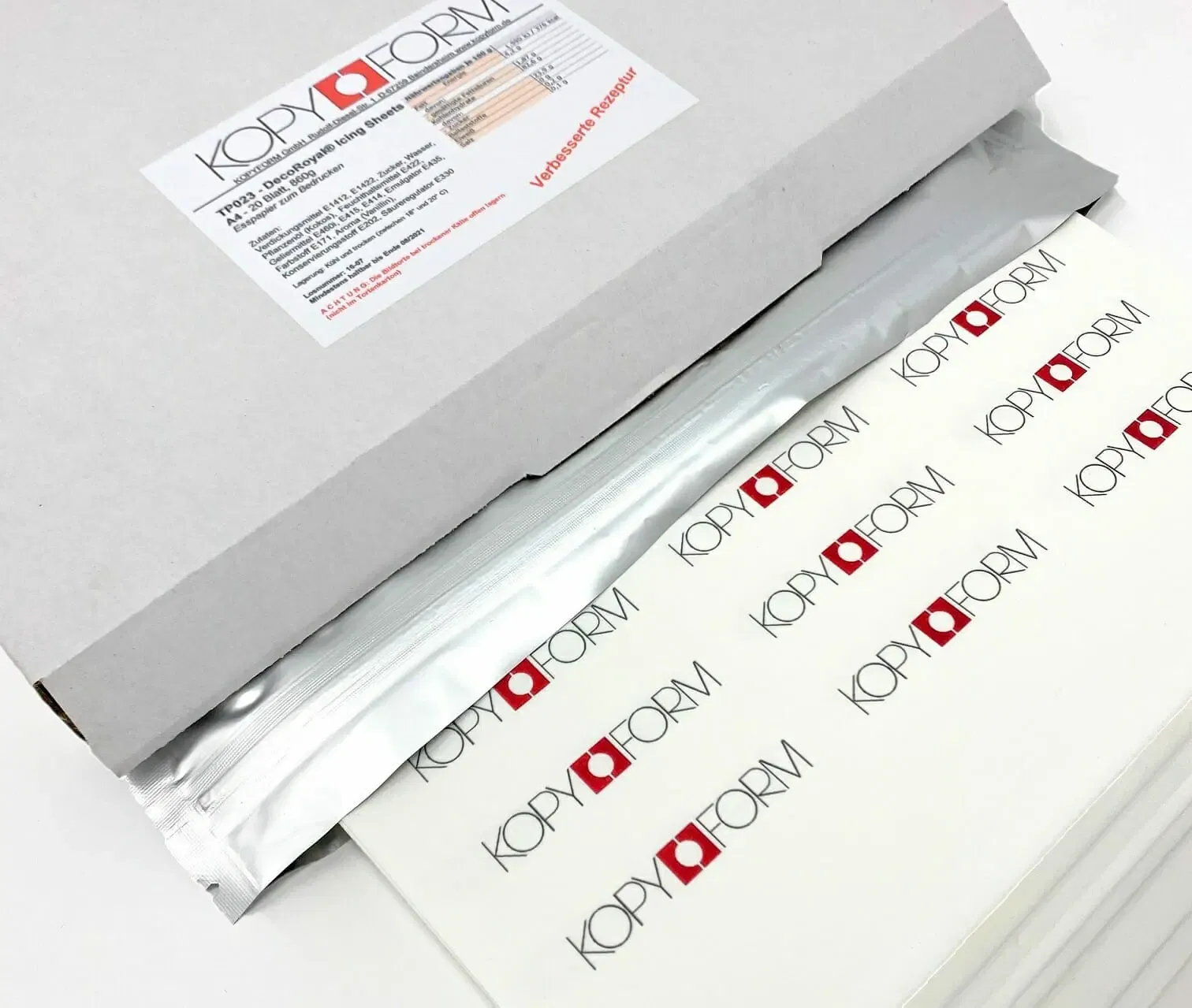
Cake decorating has moved beyond traditional piping and fondant techniques. Edible printing allows bakers to transfer detailed images, patterns, names, and themed artwork onto cakes.
The technique works particularly well when a design contains fine details that would take considerable time to reproduce by hand. Bakers can use printed elements for birthdays, weddings, corporate events, seasonal celebrations, and personalized orders.
Understanding Cake Frosting Sheets
Cake frosting sheets provide a surface that can receive edible printed designs before the decoration reaches the finished cake. They are generally designed to sit on suitable frosting or icing surfaces.
The sheet needs careful handling. Excess moisture can affect its texture, while rough handling can create tears or wrinkles. Keeping the sheet flat until use helps maintain its appearance.
Creating Custom Cake Designs with Edible Printing
Edible printer paper is specially produced for cake and confectionery applications. Bakers place the sheet into compatible edible-printing equipment and transfer a prepared design onto its surface.
Different sheets can have different textures, thicknesses, and finishes. Choosing a product that matches the printer and intended cake application can improve the final result.
What Makes Edible Ink Different
Regular printer ink cannot be used for food decoration. Edible printing requires food-grade inks designed specifically for compatible edible-printing systems.
These inks allow images and text to appear on edible sheets while remaining suitable for their intended food application. Users should follow the manufacturer's instructions for storage, handling, and printer compatibility.
Planning Artwork Before Printing
Good results start with the digital design rather than the printer. Images should have suitable resolution and proportions before they reach the edible sheet.
Before printing, check:
● Image dimensions
● Color balance
● Text readability
● Border spacing
● Cake surface dimensions
● Final placement
A small test print can also reveal alignment or color issues before the final sheet is used.
Choosing Images That Suit Cake Surfaces
Not every image works equally well on a cake. Very dark backgrounds, tiny text, or highly complex details may become less effective once transferred onto an edible surface.
Simple, high-contrast artwork often remains easier to recognize. Designers should also consider the frosting color because it can influence how the printed image appears.
Edible Ink Printing for Personalized Cakes
Edible ink printing allows bakers to personalize cakes without recreating every design manually. Names, photographs, logos, illustrations, numbers, and decorative patterns can all become part of the cake's presentation.
This flexibility can help bakeries handle different customer requests. It also gives home bakers an accessible way to experiment with designs that require precise imagery.
Matching Printed Designs with Frosting
The cake surface provides the foundation for the printed sheet. Smooth frosting usually makes application easier because it gives the sheet a flatter surface.
Buttercream, fondant, and other suitable finishes can create different results. Bakers should ensure the surface is stable before applying the printed decoration.
Applying an Edible Sheet Correctly
Application requires patience. The sheet should be positioned carefully because repeated lifting and repositioning can damage it or affect its appearance.
A practical process includes:
1. Prepare: Make sure the cake surface is smooth and ready.
2. Position: Align the sheet before pressing it down.
3. Apply: Work gradually to reduce bubbles or wrinkles.
4. Finish: Smooth the edges and complete surrounding decoration.
Managing Moisture During Application
Moisture can affect edible sheets. Too much moisture may cause the sheet to soften prematurely or make colors appear less defined.
Bakers should avoid applying printed sheets to excessively wet surfaces. Storage conditions also matter. Keep unused sheets protected from humidity and direct exposure until they are ready for use.
Storage Protects Printed Cake Materials
Edible printing supplies need appropriate storage. Sheets should remain sealed and flat where possible, while edible inks should follow the storage conditions recommended by their manufacturer.
Avoid unnecessary exposure to heat, moisture, and contamination. Good storage practices can help preserve sheet quality and reduce printing problems.
Printer Compatibility Matters
Not every printer can safely or effectively handle edible printing materials. Bakers should use equipment specifically intended or approved for edible applications and pair it with compatible edible inks and sheets.
Compatibility can affect feeding, image quality, drying, and overall performance. Checking the equipment and consumable specifications before purchase can prevent avoidable problems.
Common Problems During Edible Printing
Printing issues can arise for several reasons. Uneven colors may result from ink or printer conditions, while smudging can occur when printed sheets receive too much moisture or handling.
Other issues may include:
● Misaligned images
● Paper feeding problems
● Faded colors
● Wrinkled sheets
● Poor image resolution
Identifying the cause before repeating the print can save both materials and preparation time.
Building a Practical Edible Printing Setup
A useful setup does not need to become complicated. Bakers can start with compatible printing equipment, suitable sheets, food-grade edible inks, and basic design software.
Bakers Village Store provides baking and cake-decoration supplies for different preparation requirements. A carefully selected printing setup can help users explore personalized cake designs while maintaining a consistent workflow.
Turning Printed Designs Into Finished Cake Art
Edible printing works best as part of a broader decorating process. A printed image can become the centerpiece while piping, borders, sprinkles, fondant details, or other decorations complete the design.
The technique offers precision without removing creativity from cake decorating. With suitable materials, compatible equipment, careful application, and sensible storage, bakers can turn digital artwork into detailed edible decorations for a wide range of occasions.

 Arabic
 French
 Spanish
 Portuguese
 Deutsch
 Turkish
 Dutch
Dutch
 Italiano
 Russian
 Romaian
 Portuguese (Brazil)
 Greek
Greek