


What Can Affect Urine Analysis Test Results? Common Factors
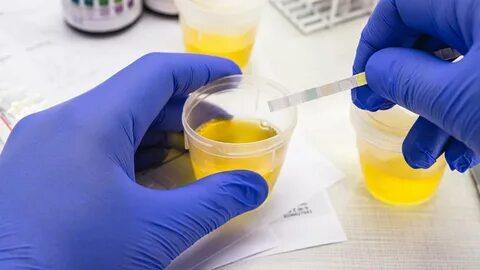
A urine analysis test, commonly called a urinalysis, is a simple laboratory examination that can provide useful information about the kidneys, urinary tract, hydration, metabolism, and overall health. It may check urine appearance, chemical markers, and microscopic substances such as red blood cells, white blood cells, bacteria, crystals, and casts.
Although Urine Analysis in Dubai is generally reliable, results can sometimes be influenced by factors that have nothing to do with a serious medical condition. Hydration, medications, food, exercise, menstruation, sample contamination, and the way a specimen is collected can all affect laboratory findings.
Understanding these factors can help you prepare properly and avoid unnecessary confusion when reviewing your urine test report.
The Result Is Not Always the Whole Story:
An abnormal urine analysis does not automatically mean that you have a disease.
Urine composition changes naturally throughout the day. What you eat, how much fluid you drink, physical activity, medications, and temporary illnesses can influence the substances found in urine.
For this reason, healthcare professionals interpret urinalysis results in context. They may compare the findings with your symptoms, medical history, blood tests, previous urine tests, and other diagnostic information.
1. Hydration Can Change Urine Concentration:
One of the most important influences on urine testing is fluid intake.
When you drink a large amount of water, your urine becomes more diluted. This can result in a lower urine specific gravity and may affect the concentration of certain substances.
On the other hand, dehydration can make urine more concentrated. Concentrated urine is often darker and may have a higher specific gravity.
Dehydration can also contribute to temporary changes in some urine measurements.
What should you do?
Do not deliberately drink excessive amounts of water immediately before a routine urinalysis. At the same time, there is usually no reason to restrict fluids unless your healthcare provider specifically instructs you to.
Maintaining your normal hydration is generally the best approach.
2. Medications Can Influence Urine Test Findings:
Certain medications can affect urine color, chemical measurements, or other laboratory results.
Some medicines can cause urine to appear unusually colored, which may look concerning even when the change is medication-related.
Other medications may influence measurements such as glucose, protein, or other substances.
This does not mean that you should stop taking medication before a urine test.
Never discontinue a prescribed medicine without medical advice. Instead, tell your healthcare provider or laboratory about the medications, vitamins, and supplements you are taking.
Knowing your medication history helps the healthcare professional interpret unusual findings correctly.
3. Food and Diet May Affect Urine Composition:
What you eat can influence urine chemistry.
Certain foods can affect urine color or odor, while dietary patterns can influence urine pH and the concentration of particular substances.
For example, dietary intake can influence the substances available for crystal formation. High intake of certain foods may also affect metabolic measurements.
Most routine urinalysis tests do not require you to follow a special diet. Unless your healthcare provider gives you specific instructions, it is usually unnecessary to make major dietary changes before testing.
Specialized urine examinations may have different preparation requirements.
4. Strenuous Exercise Can Cause Temporary Changes:
Intense physical activity can affect some urine test results.
After strenuous exercise, some people may temporarily develop blood in urine or increased protein in urine. These findings can sometimes disappear after recovery.
This is one reason healthcare professionals consider recent physical activity when evaluating abnormal results.
If a urine test unexpectedly shows blood or protein and you have recently completed intense exercise, tell your healthcare provider.
Depending on the circumstances, they may recommend repeating the urinalysis after a period of rest.
5. Menstruation Can Contaminate a Urine Sample:
Menstrual blood can enter a urine specimen and produce a positive blood result.
This can make it appear as though red blood cells are coming from the urinary tract when the blood actually originated from menstrual bleeding.
If you are menstruating when you need to provide a urine sample, tell the healthcare professional or laboratory.
Depending on the reason for testing, you may be advised to collect the specimen at another time or follow additional collection instructions.
6. Improper Sample Collection Can Change the Results:
A urine sample needs to be collected correctly to produce dependable results.
A clean-catch midstream urine sample is commonly requested because it helps minimize contamination.
If the container touches the skin or the sample is exposed to surrounding contaminants, bacteria, epithelial cells, or other material may enter the specimen.
This can make an otherwise normal urine sample appear abnormal.
Better collection practices:
Follow the laboratory's instructions carefully. Use the sterile container provided, avoid touching the inside of the container or lid, and collect the sample according to the instructions given.
If the laboratory requests a midstream specimen, do not collect the very beginning of urination unless specifically instructed.
7. Delayed Testing Can Affect a Urine Sample:
Urine does not remain unchanged indefinitely after collection.
If a specimen sits for too long before analysis, cells and other urinary components can change. Bacteria may multiply, and some substances may break down or form crystals.
Laboratories therefore have procedures for handling and processing urine specimens.
If you are collecting urine at home, follow the storage and transportation instructions provided by your healthcare professional or laboratory.
Do not assume that a sample can safely remain at room temperature for an extended period.
8. Bacteria Do Not Always Mean You Have a UTI:
Finding bacteria in urine can be concerning, but it does not automatically prove a urinary tract infection.
Bacteria may enter a specimen through contamination during collection.
Doctors usually consider bacteria together with white blood cells, leukocyte esterase, nitrites, urinary symptoms, and sometimes a urine culture.
Symptoms such as burning during urination, increased frequency, urgency, pelvic discomfort, fever, or flank pain can provide important clinical context.
A urine culture may be recommended when more specific information about a possible bacterial infection is needed.
9. Blood in Urine Has Many Possible Causes:
A urine analysis may detect blood even when the urine looks normal.
This is called microscopic hematuria.
Possible causes include urinary tract infections, kidney stones, strenuous exercise, trauma, certain kidney conditions, and other urinary tract problems.
A single positive result does not identify the cause.
If blood persists on repeat testing, your healthcare provider may investigate further based on your age, symptoms, medical history, and other risk factors.
10. Protein Can Appear Temporarily:
Protein in urine is another finding that requires context.
Persistent proteinuria can be associated with kidney problems, but temporary protein in urine may occur during fever, strenuous exercise, dehydration, or other situations.
If protein is repeatedly detected, a healthcare provider may recommend a more specific test such as a urine albumin-to-creatinine ratio.
This test measures albumin relative to creatinine and can help assess urinary albumin loss, particularly when evaluating the risk of chronic kidney disease.
11. Urine pH Can Change Naturally:
Urine pH describes how acidic or alkaline the urine is.
Diet, medications, metabolic conditions, and certain infections can influence urine pH.
Urine pH can also affect whether certain crystals form.
An unusual pH value does not automatically indicate disease. Doctors interpret it together with the patient's symptoms and other urinalysis findings.
12. Specific Gravity Reflects Urine Concentration:
Urine specific gravity provides an estimate of how concentrated the urine is.
Fluid intake is one of its most important influences.
A high specific gravity may occur when urine is concentrated, while a low value may occur when urine is dilute.
Persistent abnormalities can sometimes provide clues about the kidneys' ability to concentrate or dilute urine, but hydration status must also be considered.
13. Glucose and Ketones Can Have Different Explanations:
Glucose in urine can be associated with elevated blood glucose levels, while ketones can appear when the body is using fat as a major energy source.
Ketones may occur during prolonged fasting, significant carbohydrate restriction, prolonged exercise, or certain medical conditions.
This is why deliberately fasting before a routine urine test is generally unnecessary unless your healthcare provider specifically instructs you to do so.
When glucose or ketones are detected, doctors may consider blood glucose levels and the person's overall clinical situation.
14. Crystals Can Be Influenced by Urine Conditions:
Crystals can develop when substances in urine become concentrated or when urine conditions favor precipitation.
Urine pH, hydration, temperature, and the concentration of certain minerals can influence crystal formation.
Some crystals are harmless, while others may be associated with an increased risk of kidney stones.
A crystal finding should therefore be interpreted according to its type and quantity rather than automatically being treated as evidence of a stone.
15. Pregnancy Can Affect Interpretation:
Pregnancy can cause physiological changes that influence certain laboratory findings.
If you are pregnant or think you may be pregnant, tell your healthcare provider.
A pregnancy test itself is different from a routine urinalysis because it specifically detects human chorionic gonadotropin (hCG).
Knowing whether pregnancy is possible can help your healthcare professional select and interpret appropriate testing.
How to Get the Most Reliable Urine Analysis Results?
You cannot control every factor that influences urine composition, but you can improve the quality of your sample.
Before your test:
-
Follow the laboratory's collection instructions.
-
Maintain normal fluid intake unless instructed otherwise.
-
Tell your healthcare provider about medications and supplements.
-
Mention menstruation when relevant.
-
Inform the provider about recent strenuous exercise.
-
Use a clean sterile container.
-
Deliver the specimen according to the laboratory's instructions.
-
Follow special instructions carefully for timed or 24-hour urine collections.
The goal is not to manipulate the result. It is to provide a representative sample of your normal urine.
What If Your Urine Test Is Abnormal?
Do not panic because of a single abnormal result.
Your healthcare provider may first determine whether the finding could be temporary or related to sample contamination.
A repeat urine test may be appropriate. Depending on the abnormality, additional testing may include urine culture, urine albumin measurement, kidney function blood tests, imaging, or other investigations.
For example, persistent protein may require evaluation for kidney disease, while repeated blood in urine may require assessment of the urinary tract.
The next step depends on the specific finding and your overall health.
When Should Abnormal Urine Findings Be Evaluated Promptly?
Contact a healthcare professional if you have persistent blood or protein in urine or repeated unexplained abnormalities.
Seek prompt medical attention when urinary symptoms occur with high fever, chills, severe back or side pain, vomiting, difficulty urinating, visible blood in urine, or a significant decrease in urine output.
These symptoms can sometimes indicate a urinary infection, obstruction, kidney problem, or another condition requiring timely assessment.
Frequently Asked Questions:
What can cause a false-positive urine test?
Several factors can influence urine results, including contamination, medications, dehydration, strenuous exercise, menstruation, and certain dietary factors. The specific cause depends on which urine measurement is abnormal.
Does drinking too much water affect a urinalysis?
Yes. Excessive water intake can dilute urine and lower its specific gravity. It may also reduce the concentration of some substances in the sample.
Can exercise affect urine protein?
Yes. Strenuous exercise can sometimes cause temporary protein in urine. Persistent proteinuria should be evaluated rather than automatically attributed to exercise.
Can menstruation affect urine test results?
Yes. Menstrual blood can contaminate a urine sample and cause a blood-positive result or increase the number of red blood cells seen under a microscope.
Can medications change urine test results?
Yes. Some medications can alter urine color or affect particular laboratory measurements. Tell your healthcare provider what you take, but do not stop prescribed medication unless instructed.
Does fasting affect urine analysis?
Routine urinalysis generally does not require fasting. Prolonged fasting can increase urinary ketones, so do not fast unnecessarily unless your healthcare provider has given you specific instructions.
Final Takeaway:
Urine Lab tests is a valuable diagnostic tool, but urine test results can be influenced by many everyday factors. Hydration, diet, exercise, medications, menstruation, sample contamination, storage, and timing can all affect what appears in a urine specimen.
An abnormal result does not automatically mean that you have kidney disease, a urinary tract infection, diabetes, or another serious condition. The meaning depends on the specific finding and the overall clinical picture.
The best way to prepare is simple: follow the laboratory's instructions, maintain your normal fluid intake unless told otherwise, provide a properly collected sample, and tell your healthcare provider about factors that could affect interpretation.
If an abnormal result persists, your doctor can determine whether you need repeat testing or a more specific examination such as a urine culture, urine albumin-to-creatinine ratio, or additional kidney and urinary tract testing.

 English
 Arabic
 French
 Spanish
 Portuguese
 Deutsch
 Turkish
 Dutch
Dutch
 Italiano
 Russian
 Romaian
 Greek
Greek