


Mini Gastric Bypass Surgery and Fertility What You Should Know
Introduction
Obesity can affect many aspects of health, including hormonal balance, menstrual cycles, fertility, pregnancy outcomes, and overall reproductive health. For people struggling with severe obesity, weight loss through lifestyle changes may sometimes be difficult to achieve and maintain. Bariatric procedures such as mini gastric bypass can provide a structured approach to significant and sustained weight loss while also improving several obesity related health concerns.
For individuals considering Mini Gastric Bypass Surgery in Islamabad, fertility is an important part of the discussion, particularly for women who are planning pregnancy in the future. Weight loss after bariatric surgery may improve conditions associated with obesity, including insulin resistance and irregular menstrual cycles. However, pregnancy planning after surgery requires appropriate timing, nutritional monitoring, and guidance from qualified healthcare professionals.
- Bariatric surgery may support significant long term weight loss.
- Weight reduction can improve several obesity related reproductive concerns.
- Pregnancy after surgery requires careful nutritional and medical planning.
- Fertility goals should be discussed with your bariatric and reproductive healthcare teams.
What Is Mini Gastric Bypass Surgery
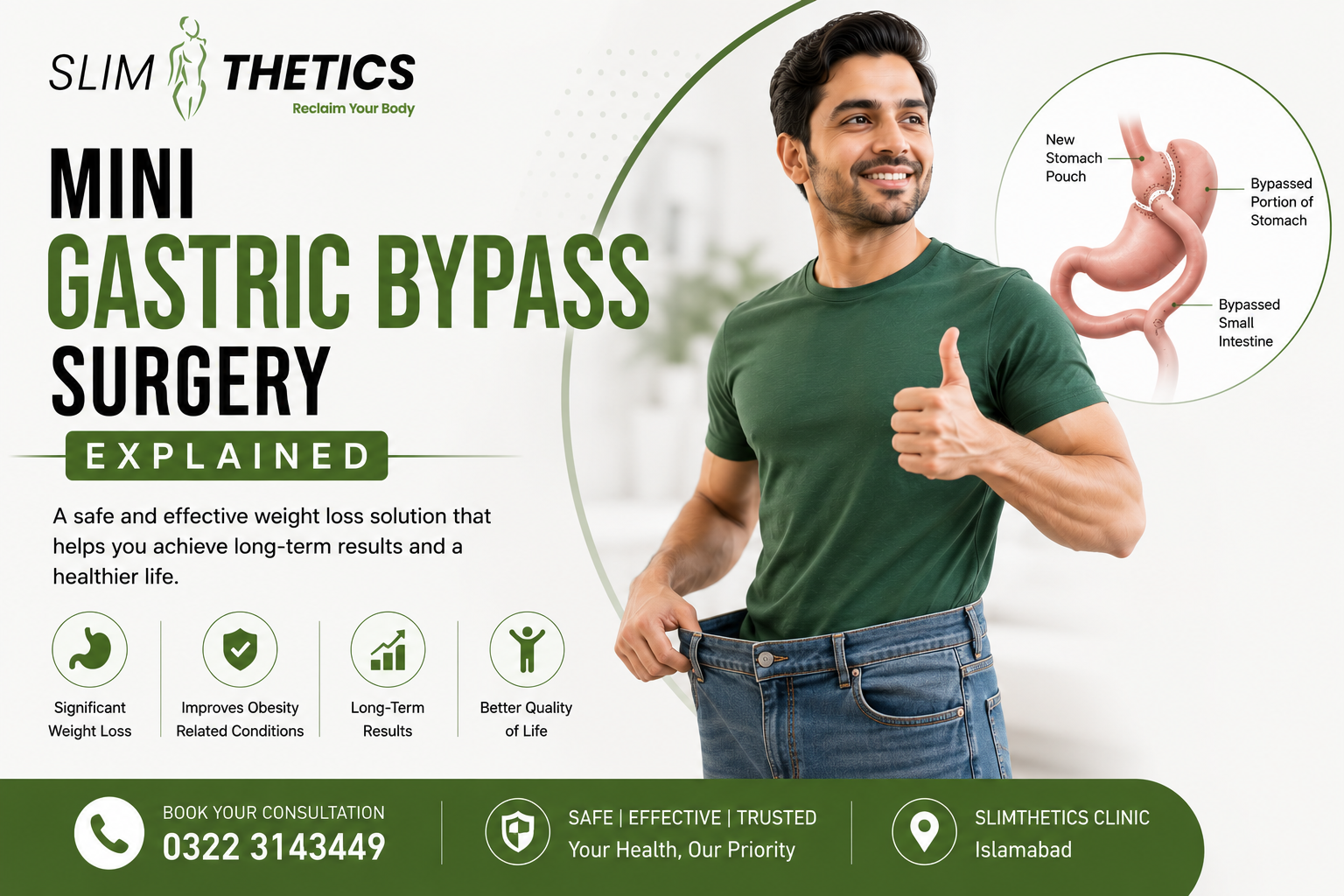
Mini gastric bypass, also known as one anastomosis gastric bypass, is a type of metabolic and bariatric surgery designed to help people with obesity achieve substantial weight loss. During the procedure, the surgeon creates a smaller stomach pouch and connects it to a section of the small intestine. This changes the amount of food the stomach can hold and alters nutrient absorption.
How the Procedure Supports Weight Loss
The procedure works through a combination of reduced stomach capacity, changes in digestion, and metabolic effects. Patients generally feel full after eating smaller portions, while changes in gut hormones can influence appetite and satiety.
- A smaller stomach pouch helps reduce meal portions.
- Changes in digestion can contribute to weight loss.
- Hormonal changes may help reduce hunger and improve satiety.
- Long term success depends on nutrition, physical activity, follow up, and lifestyle changes.
How Obesity Can Affect Fertility
Excess body weight can interfere with reproductive health in both women and men. Obesity may influence hormones, insulin sensitivity, ovulation, sperm quality, and sexual health. In women, obesity is also associated with menstrual irregularities and conditions such as polycystic ovary syndrome.
Fertility Concerns in Women
Women with obesity may experience irregular ovulation, making conception more difficult. Increased insulin resistance and hormonal changes can contribute to reproductive problems. In some cases, weight reduction may help restore more regular menstrual cycles and ovulation.
- Excess weight may contribute to hormonal imbalance.
- Irregular ovulation can make conception more difficult.
- Insulin resistance may affect reproductive function.
- Weight management can be an important component of fertility care.
Fertility Concerns in Men
Obesity can also affect male reproductive health. Hormonal changes associated with excess body fat may influence testosterone levels and sperm health. Improving overall metabolic health through appropriate weight management may support reproductive wellbeing.
- Obesity can affect male hormone balance.
- Excess body fat may be associated with reduced testosterone.
- Metabolic health can influence reproductive health.
- Individual fertility problems should be evaluated by an appropriate specialist.
Can Mini Gastric Bypass Improve Fertility
Weight loss following bariatric surgery may improve some obesity related factors that interfere with fertility. Improvements in insulin sensitivity, hormonal regulation, and menstrual regularity may be particularly relevant for women with obesity related reproductive problems.
However, mini gastric bypass should not be viewed as a direct fertility treatment. Its primary purpose is the management of obesity and related medical conditions. Any fertility improvement is generally associated with the health benefits of weight reduction and improved metabolic function.
- Weight loss may support more regular ovulation in some women.
- Improved insulin sensitivity may benefit reproductive health.
- Hormonal changes associated with weight reduction can be beneficial.
- Fertility outcomes vary from person to person.
Mini Gastric Bypass and Polycystic Ovary Syndrome
Polycystic ovary syndrome is a common condition that can affect menstrual cycles, ovulation, hormones, and fertility. Many women with PCOS also experience insulin resistance and difficulty managing their weight.
Significant weight loss may improve some symptoms associated with PCOS. For individuals with severe obesity and obesity related complications, bariatric surgery may be considered as part of a broader medical treatment strategy.
Potential Reproductive Benefits
Weight reduction may contribute to improvements in menstrual regularity and ovulation in some women with PCOS. This can potentially increase the likelihood of spontaneous conception, although fertility is influenced by many factors.
- Weight loss may improve insulin sensitivity.
- Menstrual cycles may become more regular in some patients.
- Ovulation may improve following substantial weight reduction.
- PCOS management should remain under appropriate medical supervision.
Pregnancy After Mini Gastric Bypass Surgery
Pregnancy is possible after mini gastric bypass surgery, but timing is particularly important. Most bariatric specialists recommend avoiding pregnancy during the period of rapid weight loss following surgery. The body needs time to adapt to changes in food intake and nutrient absorption.
Many patients are advised to wait until their weight has stabilized before attempting conception. The appropriate waiting period should be determined individually with the treating bariatric and obstetric team.
- Pregnancy planning should begin with a medical consultation.
- The rapid weight loss phase is generally not considered the ideal time for pregnancy.
- Nutritional status should be assessed before conception.
- Pregnancy after bariatric surgery requires specialized monitoring.
Why Pregnancy Timing Matters
After mini gastric bypass, the body undergoes substantial changes. Food intake is reduced, weight can decrease rapidly, and nutritional requirements become especially important. Pregnancy also increases the body's need for several vitamins, minerals, protein, and other nutrients.
Becoming pregnant before weight and nutritional status have stabilized may increase the importance of close medical monitoring. Planning pregnancy after the rapid weight loss phase allows healthcare professionals to assess nutritional health and make appropriate adjustments.
Preparing for Pregnancy
Before trying to conceive, patients should discuss their plans with their bariatric surgeon and obstetric or fertility specialist. Blood tests and nutritional assessments may be recommended depending on the individual's circumstances.
- Review current weight and weight stability.
- Check nutritional status as advised by your healthcare team.
- Review vitamin and mineral supplementation.
- Discuss medications with your doctor before conception.
- Establish an appropriate pregnancy monitoring plan.
Nutrition and Fertility After Mini Gastric Bypass
Nutrition becomes a major priority after gastric bypass surgery. Because the digestive system has been altered, patients need to follow their recommended dietary plan and take prescribed supplements consistently.
During pregnancy, nutritional requirements increase further. Women who have undergone bariatric surgery may require individualized supplementation and regular monitoring to help prevent deficiencies.
Important Nutritional Considerations
Specific requirements vary according to the patient and medical recommendations. Healthcare professionals may monitor nutrients such as iron, vitamin B12, folate, calcium, vitamin D, and other essential nutrients.
- Follow the prescribed post surgery nutrition plan.
- Take recommended supplements consistently.
- Prioritize adequate protein intake.
- Attend scheduled nutritional assessments.
- Never start or stop supplements without professional advice during pregnancy planning.
Does Mini Gastric Bypass Affect Pregnancy
Pregnancy after bariatric surgery can be successful, but it requires appropriate medical supervision. Because mini gastric bypass can affect nutrient absorption and meal capacity, healthcare professionals may monitor the mother's nutritional status and fetal growth throughout pregnancy.
Women who become pregnant after bariatric surgery should inform their obstetric team about their surgical history. The care plan may be adjusted according to their nutritional status, weight, and pregnancy needs.
- Tell your obstetrician about previous bariatric surgery.
- Attend regular prenatal appointments.
- Follow nutritional recommendations carefully.
- Report unusual symptoms promptly.
- Maintain appropriate monitoring throughout pregnancy.
Benefits of Weight Loss Before Pregnancy
For people with obesity, achieving healthier weight levels before pregnancy may provide several potential health benefits. Obesity is associated with increased risks during pregnancy, including gestational diabetes, high blood pressure, and other complications.
Weight loss before conception may help improve overall metabolic health and prepare the body for pregnancy. Bariatric surgery can be an option for eligible individuals who have not achieved sufficient results through conventional weight management.
- Weight management can improve metabolic health.
- Blood glucose control may improve with weight reduction.
- Some obesity related pregnancy risks may be reduced.
- Preconception care remains important regardless of weight loss method.
Is Mini Gastric Bypass Right for Someone Planning a Pregnancy
Mini gastric bypass may be appropriate for some individuals with severe obesity, but pregnancy plans should be considered before surgery. The decision should be based on BMI, obesity related medical conditions, previous weight loss attempts, nutritional status, reproductive plans, and overall health.
A bariatric surgeon can explain whether the procedure is appropriate and discuss how surgery could fit into a person's long term health and family planning goals.
Questions to Discuss With Your Doctor
Before undergoing surgery, patients planning future pregnancy can ask:
- How will surgery affect my fertility and reproductive health?
- When can I safely consider pregnancy after surgery?
- Which supplements will I need?
- How frequently should my nutritional levels be checked?
- What should I do if I become pregnant sooner than planned?
- How will my pregnancy be monitored after bariatric surgery?
Mini Gastric Bypass Recovery and Lifestyle Changes
Surgery is only one part of successful long term weight management. Patients need to adopt sustainable eating habits, remain physically active as recommended, attend follow up appointments, and maintain appropriate nutritional supplementation.
These habits become particularly important for people who plan to have children in the future. Maintaining a healthy lifestyle can support both long term weight management and overall reproductive wellbeing.
- Follow your surgeon's dietary recommendations.
- Gradually increase physical activity according to medical advice.
- Attend regular follow up appointments.
- Maintain recommended supplementation.
- Monitor changes in weight and nutritional health.
Choosing Mini Gastric Bypass Surgery in Islamabad
Choosing an experienced bariatric team is an important step when considering surgery. Patients should look for a clinic that provides proper assessment, experienced surgical care, nutritional guidance, postoperative follow up, and personalized treatment planning.
When fertility and future pregnancy are part of your goals, it is especially important to discuss them during the initial consultation. A comprehensive approach can help ensure that weight management and reproductive goals are considered together.
Final Thoughts
Mini gastric bypass can provide substantial weight loss for appropriately selected patients and may improve several health conditions associated with obesity. For people concerned about fertility, successful weight management may support improvements in hormonal and metabolic health, but fertility outcomes are individual and should not be guaranteed.
If you are considering Mini Gastric Bypass Surgery in Islamabad and want to understand its potential impact on weight loss, fertility, pregnancy planning, nutrition, and long term health, a personalized consultation is the best place to start. At Slimthetics Clinic, patients can receive individualized bariatric guidance, surgical evaluation, nutritional support, and structured follow up based on their health needs and weight loss goals.
- Discuss your fertility plans before surgery.
- Follow professional guidance during the recovery and weight loss phase.
- Plan pregnancy only after discussing timing and nutritional health with your healthcare team.
- Choose a qualified bariatric team for comprehensive long term support.
- Mini Gastric Bypass Surgery in Islamabad should always be considered as part of a personalized medical treatment plan.

 English
 Arabic
 French
 Spanish
 Portuguese
 Deutsch
 Turkish
 Dutch
Dutch
 Italiano
 Russian
 Romaian
 Portuguese (Brazil)