


Why Search Intent Matters More Than Keyword Volume
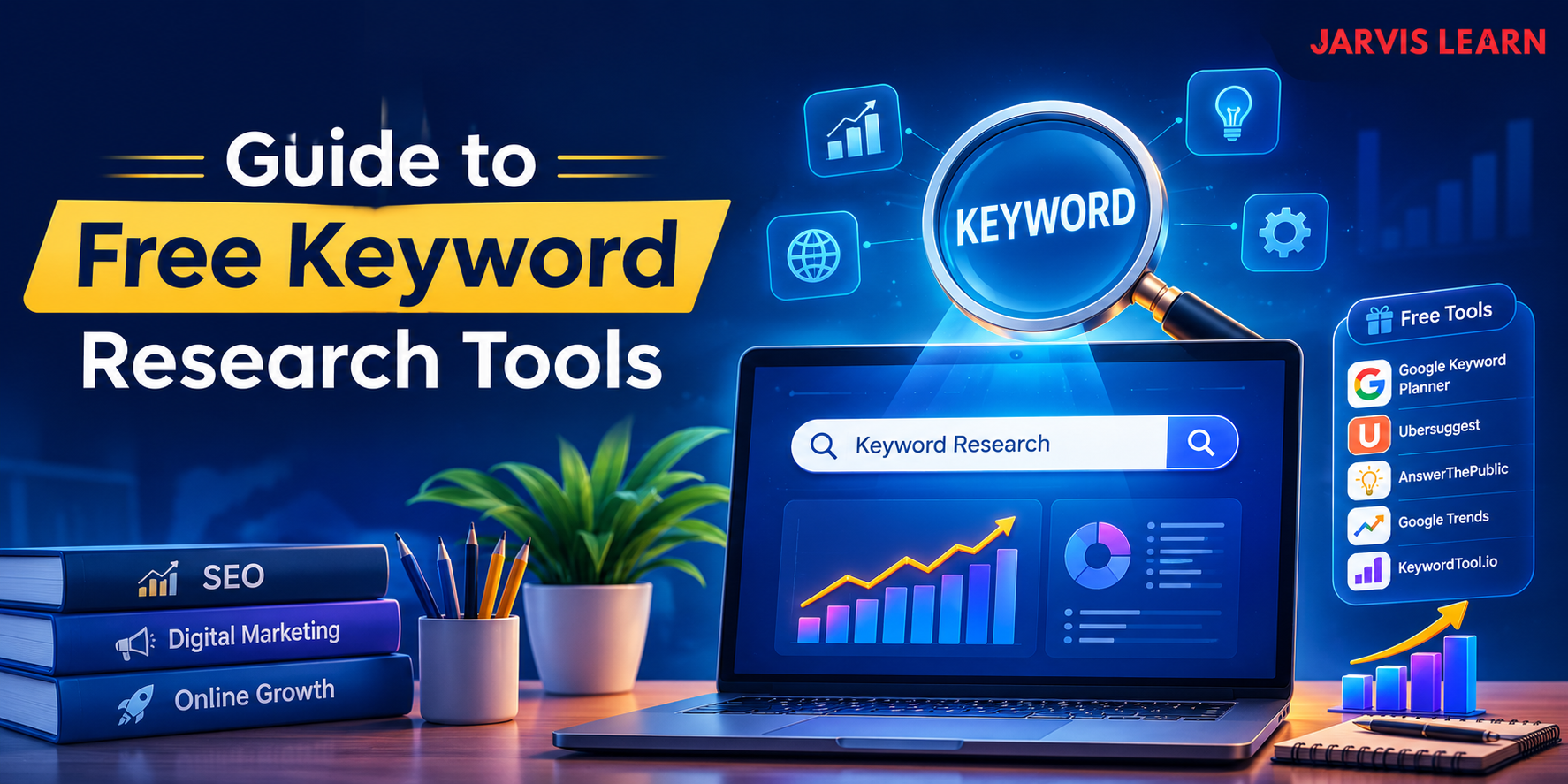
Keyword research can make content strategy look deceptively simple. Find a phrase with thousands of monthly searches, create a page around it, and wait for traffic to arrive.
That approach often fails.
A keyword can have substantial search volume while attracting visitors who have no interest in what a business offers. Meanwhile, a specific query with modest volume can bring highly relevant users who are much closer to taking action.
That is why effective Free Keyword Research Tools should be used to understand more than volume. Search intent provides the context that turns keyword data into a meaningful content decision.
Search Volume Tells You How Often, Not Why
Search volume answers a useful question: approximately how frequently is a particular query searched?
It does not explain why people search for it.
Consider someone searching for "Python list comprehension." They might want a definition, a code example, a beginner tutorial, or documentation for a specific problem. A page that assumes the wrong intent can rank poorly even if it is technically well written.
The same issue appears across industries.
A person searching for "running shoes" has a different objective from someone searching for "how to choose running shoes for flat feet." The first query could indicate broad commercial research, while the second suggests a specific informational need.
Before creating content, marketers should ask:
- What problem is the searcher trying to solve?
- What information would satisfy the query?
- What type of pages currently appear in search results?
- Is the user researching, comparing, or preparing to act?
These questions often reveal more about content opportunity than volume alone.
The SERP Is a Research Tool
Search results provide direct evidence about how a search engine interprets a query.
If the first page is dominated by tutorials, search engines are likely identifying informational intent. If product pages, comparison pages, or retailers dominate, the query may have commercial or transactional intent.
Four common types of search intent
Informational: The user wants to learn something, such as "how does cloud computing work?"
Navigational: The user is trying to reach a particular website, service, or resource.
Commercial investigation: The user is comparing options before making a decision, such as "project management software for small teams."
Transactional: The user has a strong intention to complete an action, such as purchasing a product or signing up for a service.
These categories are not rigid. Search behavior exists on a spectrum, and the same phrase can develop different interpretations depending on context.
The important point is that marketers should examine what searchers and search engines are actually doing rather than relying exclusively on a keyword metric.
Long-Tail Queries Can Reveal Stronger Opportunities
High-volume keywords attract attention because they appear to offer a large audience. Yet broad terms are often difficult to interpret and highly competitive.
Long-tail queries can provide greater specificity.
Someone searching for "SEO" could be researching almost anything related to search optimization. Someone searching for "technical SEO checklist for Shopify stores" has communicated considerably more about their problem.
That specificity can help content teams create pages with a clearer purpose.
Long-tail research can reveal:
- Specific customer problems
- Questions that deserve dedicated content
- Industry terminology
- Product comparison needs
- Geographic requirements
- Different stages of the buying journey
A smaller audience with strong relevance can be more valuable than a large audience with weak alignment.
Match the Content Format to the Intent
Understanding intent also affects what you create.
A searcher looking for instructions may need a step-by-step tutorial. Someone comparing solutions may benefit from a comparison article or decision framework. A user looking for a definition may need a concise explanation rather than a 3,000-word essay.
Content format should follow the user's underlying need.
Before publishing, compare your proposed page with the existing search results. Look at whether the dominant results are:
- Tutorials
- Product pages
- Category pages
- Reviews
- Comparisons
- Videos
- Forums
- Definitions or reference resources
This does not mean copying competing pages. It means recognizing the format that appears to satisfy the query and finding a useful way to address the same underlying need.
Use Volume as One Signal Among Several
Keyword volume remains valuable. It can help estimate demand and prioritize research. The mistake is treating it as the deciding factor.
A stronger evaluation considers multiple signals:
Relevance: Does the query connect directly to the audience and subject?
Intent: Can you identify what the searcher wants?
Competition: What kind of pages currently rank?
Specificity: Does the query describe a clear problem or need?
Business value: Would attracting this audience support a meaningful business objective?
Content fit: Can you create a resource that genuinely satisfies the search?
When these factors align, a keyword becomes much more useful than its volume figure suggests.
Better Keyword Research Starts With Better Questions
Search behavior is ultimately human behavior expressed through words.
The purpose of keyword research is not simply to discover phrases that people type into a search engine. It is to understand the questions, problems, comparisons, and decisions behind those phrases.
That shift changes how content teams prioritize opportunities. Instead of asking only, "How many searches does this keyword get?" they can ask, "Who is searching, what do they need, and can our content genuinely help them?"
Search volume can estimate the size of an audience. Search intent helps explain its purpose.
When those two pieces of information are considered together, keyword research becomes less about chasing numbers and more about creating content that earns its relevance.
For more resources on digital marketing, technology, and practical learning, visit Jarvis Learn.

 English
 Arabic
 French
 Spanish
 Portuguese
 Deutsch
 Turkish
 Dutch
Dutch
 Italiano
 Romaian
 Portuguese (Brazil)
 Greek
Greek