


How to Drive Safely in Bad Weather
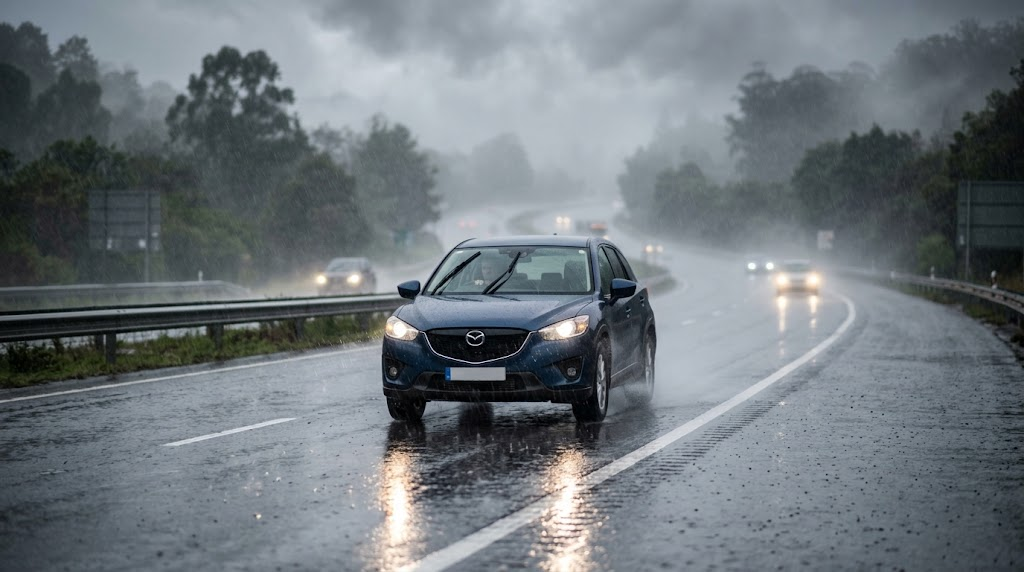
Bad weather can turn a simple drive into a serious challenge within minutes. Heavy rain, fog, snow, strong winds, and icy roads can reduce visibility, decrease traction, and make it harder to control your vehicle. Even experienced drivers need to adjust their habits when road and weather conditions change. The safest approach is to slow down, stay alert, increase your following distance, and make decisions based on the conditions rather than your normal driving routine.
For new drivers, learning how to react calmly in difficult conditions is an important part of becoming a confident and responsible motorist. Teen driver training Vancouver can help young drivers develop essential skills such as maintaining a safe speed, recognizing hazards, controlling the vehicle smoothly, and understanding when weather conditions are too dangerous for unnecessary travel. These habits can make a significant difference when unexpected weather occurs.
Why Bad Weather Makes Driving More Dangerous
Weather affects driving in several ways. Rain can make the road slippery and reduce tire grip, while fog can limit your ability to see vehicles, pedestrians, traffic signals, and road signs. Snow and ice create even more challenging conditions because stopping distances can increase dramatically.
Strong winds can also affect your vehicle, particularly on bridges, open highways, and exposed roads. A sudden gust may push your vehicle toward another lane or make steering more difficult. Understanding these risks helps you prepare before you encounter them.
The most important thing to remember is that the speed limit is not always the safest speed. Posted speed limits are generally designed for normal conditions. When visibility or traction is reduced, driving below the posted limit may be the safer choice.
Check the Weather Before You Leave
One of the easiest ways to improve safety is to know what conditions you are likely to encounter before starting your journey.
Check the weather forecast and traffic conditions before leaving. If severe weather is expected, consider whether the trip is necessary. Delaying a non-essential journey can be much safer than attempting to drive through dangerous conditions.
Before getting behind the wheel, make sure:
- Your windshield and mirrors are clean.
- Your headlights and brake lights are working.
- Your tires have adequate tread and proper pressure.
- Your windshield wipers are in good condition.
- Your windows are clear of condensation, frost, or ice.
- You have enough fuel or battery charge for the journey.
A few minutes of preparation can prevent problems later.
Slow Down and Give Yourself More Time
Speed becomes particularly dangerous when roads are wet, icy, snowy, or poorly visible. Your vehicle needs more time and distance to stop when traction is reduced.
Instead of focusing on reaching your destination quickly, give yourself extra travel time. Slow down gradually and avoid sudden acceleration or braking.
A useful rule is to leave significantly more space between your vehicle and the one ahead of you. In poor weather, increasing your following distance gives you more time to react if the other driver brakes suddenly.
Remember that braking distance depends on several factors, including your speed, tires, road surface, vehicle condition, and weather.
How to Drive Safely in Heavy Rain
Heavy rain is one of the most common weather-related driving hazards. Water can reduce tire traction and make it difficult to see clearly through the windshield.
When driving in rain:
Use Your Headlights
Turn on your headlights when visibility is reduced. This helps you see the road and makes your vehicle more visible to other drivers.
Avoid relying only on daytime running lights because they may not illuminate your vehicle's rear lights.
Reduce Your Speed
Wet roads can make it harder for your tires to maintain contact with the pavement. Reduce your speed and avoid sudden movements.
Avoid Standing Water
Large puddles can hide potholes and may cause your vehicle to lose traction. If you encounter standing water, slow down safely and avoid making abrupt steering movements.
If your vehicle begins to hydroplane, remain calm. Ease off the accelerator and keep the steering wheel pointed in the direction you want the vehicle to travel. Avoid sudden braking or sharp steering.
Driving Safely in Fog
Fog can be particularly dangerous because it reduces visibility without necessarily making the road surface appear hazardous.
Use low-beam headlights when driving in fog. High beams can reflect off water droplets in the air and make visibility worse.
Slow down and increase your following distance. Avoid using the vehicle ahead as your only guide because it may suddenly brake or encounter an obstacle.
If visibility becomes extremely poor, look for a safe place to pull completely off the roadway. Do not stop in a travel lane or on the shoulder unless it is necessary for an emergency.
How to Handle Snow and Ice
Snow and ice require extra caution because your vehicle can lose traction with little warning.
Before driving, clear snow and ice completely from your windshield, windows, mirrors, headlights, and roof. Snow left on the roof can slide onto your windshield or fall onto vehicles behind you.
When driving on slippery roads:
- Accelerate gently.
- Brake earlier than normal.
- Steer smoothly.
- Avoid sudden lane changes.
- Increase your following distance.
- Watch for shaded areas where ice may remain longer.
- Be especially cautious on bridges and overpasses.
If your vehicle has traction-control or stability-control systems, understand how they work and avoid switching them off unless there is a specific reason recommended by your vehicle manufacturer.
Be Careful During Strong Winds
Strong winds can make it surprisingly difficult to keep a vehicle in its lane. High-profile vehicles, vans, buses, and trailers can be particularly affected.
Keep both hands on the steering wheel when conditions are windy and reduce your speed. Be prepared for sudden gusts when passing larger vehicles or driving through open areas.
Watch for fallen branches, debris, or other objects on the road. If winds become severe enough to make vehicle control difficult, find a safe place to stop and wait for conditions to improve.
Improve Visibility Before It Becomes a Problem
Good visibility is essential in bad weather. Keep your windshield clean and use your defroster when windows begin to fog.
If your windshield becomes difficult to see through, do not continue driving normally and hope the problem clears. Reduce your speed and use the appropriate ventilation or defrost settings.
At night, poor weather can make visibility even worse because headlights reflect off rain, fog, or snow. Avoid staring directly into the headlights of approaching vehicles. Instead, focus on the road ahead and use lane markings as a guide when they are clearly visible.
Avoid Sudden Movements
Smooth vehicle control is one of the most important skills in poor weather.
Sudden braking, acceleration, or steering can cause your tires to lose traction. Make changes gradually whenever possible.
For example, instead of waiting until the last moment and braking hard, begin slowing earlier. Rather than making a quick lane change, check your surroundings carefully and move smoothly when it is safe.
This approach gives your tires a better chance of maintaining grip and gives you more time to respond to changing conditions.
Keep a Safe Distance From Other Vehicles
Following too closely is dangerous under normal conditions and becomes even more risky when roads are slippery.
Leave additional space between your vehicle and the one ahead. This creates a larger safety margin if traffic suddenly stops.
Also remember that other drivers may not respond to bad weather in the same way you do. Someone else may brake suddenly, change lanes unexpectedly, or lose control. Maintaining extra space gives you room to react.
Know When Not to Drive
Sometimes the safest driving decision is not to drive at all.
If roads are covered with ice, visibility is extremely poor, flooding has made roads unsafe, or authorities are advising people to stay off the roads, consider postponing your trip.
No appointment, shopping trip, or social event is worth taking an unnecessary risk.
If you are already driving when conditions become dangerous, look for a safe location where you can stop and wait. Avoid stopping in a dangerous location simply because you want to get off the road quickly.
What to Do If Your Vehicle Loses Traction
Losing traction can be frightening, especially for inexperienced drivers. The key is to remain calm and avoid overcorrecting.
If the vehicle starts to skid, avoid making sudden steering movements. Look toward the direction you want to travel and make smooth corrections. Avoid aggressively hitting the brakes unless necessary to prevent a collision.
Learning how your vehicle responds to different road conditions in a controlled environment can help you react more confidently when an unexpected situation occurs.
Practice Makes Bad-Weather Driving Easier
Good driving habits become more reliable when they are practiced regularly. New drivers should focus on developing smooth braking, controlled steering, proper observation, safe following distances, and hazard awareness before attempting challenging weather conditions.
Drivers should also understand that confidence does not mean taking unnecessary risks. A confident driver knows when to slow down, when to adjust their driving technique, and when to avoid the road altogether.
Final Thoughts
Driving in bad weather requires patience, preparation, and good judgment. Whether you're dealing with heavy rain, fog, snow, ice, or strong winds, the safest strategy is to reduce your speed, increase your following distance, maintain good visibility, and make every vehicle movement smoothly. Most importantly, pay attention to changing conditions and never assume that your normal driving habits are appropriate when the weather becomes challenging. Proper instruction and regular practice can help drivers develop these skills, and Benche Driving School can be a valuable resource for learners who want to build safer driving habits and greater confidence behind the wheel.

 English
 Arabic
 French
 Spanish
 Portuguese
 Deutsch
 Turkish
 Italiano
 Russian
 Romaian
 Portuguese (Brazil)
 Greek
Greek