


Who Should Avoid a Glucose Drip? Key Medical Considerations
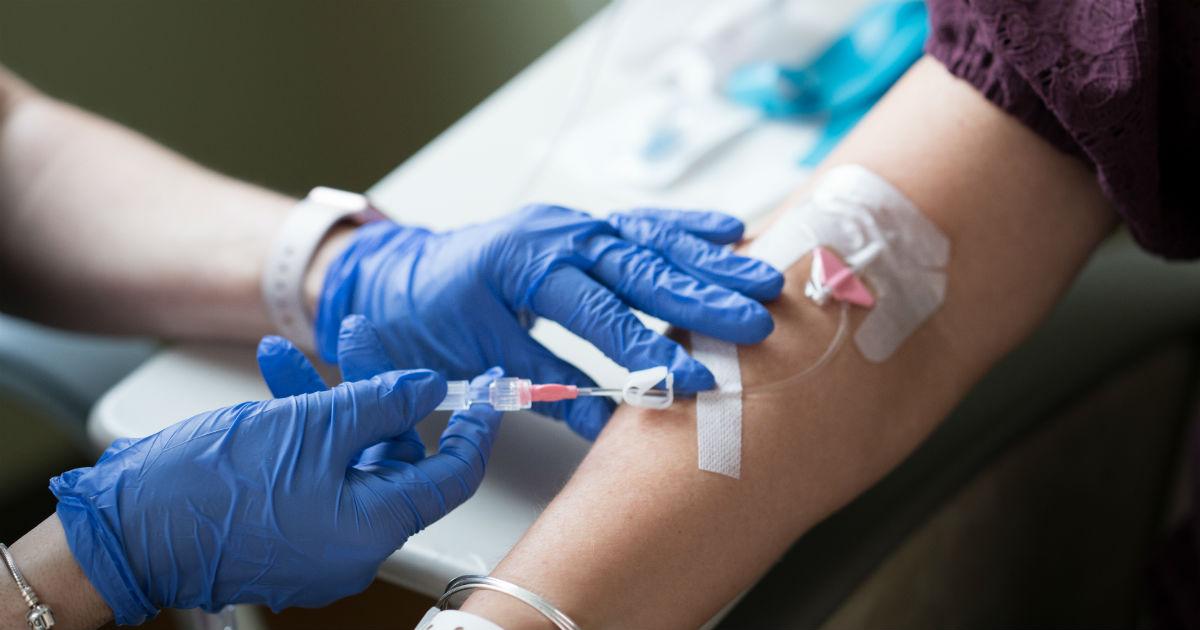
Glucose Drip at Home in Dubai can offer convenience for people who require intravenous fluids for a specific medical reason, but it is not suitable for everyone. A Doctor at Home can assess symptoms, review medical history, check relevant health factors, and determine whether an IV glucose solution is appropriate. Although glucose is an essential source of energy for the body and glucose-containing IV fluids have important medical applications, unnecessary or poorly supervised administration can create health risks. Understanding who may need to avoid a glucose drip, or receive one only with careful medical supervision, is essential before choosing home IV treatment.
What Is a Glucose Drip?:
A glucose drip is an intravenous fluid containing glucose that is administered directly into a vein through a small catheter. Depending on the formulation, glucose concentration, and clinical circumstances, healthcare professionals may use these fluids for specific situations such as treating certain cases of low blood glucose or providing fluids when intravenous therapy is medically necessary. Because the solution enters the bloodstream directly, the concentration, amount, and administration rate need to be selected appropriately. A glucose drip should therefore be considered a medical treatment rather than a routine wellness procedure, especially when the person's symptoms have not been medically evaluated.
Why Isn't a Glucose Drip Suitable for Everyone?:
The suitability of IV glucose depends on a person's medical condition, current blood glucose level, hydration status, medications, and the reason treatment is being considered. Someone experiencing fatigue or weakness may assume that glucose will provide an immediate solution, but these symptoms can have numerous causes that may require completely different treatments. Inappropriate IV glucose administration can affect blood sugar and fluid balance, while an IV procedure itself carries risks such as infection, vein irritation, bruising, or infiltration. For this reason, people should not assume that a glucose drip is beneficial simply because it is administered intravenously.
Should People With Diabetes Avoid Glucose Drips?:
People with diabetes require particular caution because IV glucose can raise blood glucose levels. However, diabetes does not automatically mean that glucose can never be administered. In certain medical emergencies, intravenous glucose may be an important treatment for severe hypoglycemia. The key consideration is whether glucose is medically indicated at that particular time and whether the patient's blood glucose can be appropriately monitored. Giving glucose unnecessarily to a person whose blood sugar is already elevated may contribute to hyperglycemia. Anyone with diabetes should therefore disclose their condition and relevant medications before receiving an IV glucose treatment.
Can Kidney Disease Make a Glucose Drip Riskier?:
People with impaired kidney function may need special consideration before receiving IV fluids because the kidneys play an important role in managing fluid and electrolyte balance. Depending on the severity of kidney disease, the body may have difficulty processing additional fluid, potentially increasing the risk of fluid accumulation. The appropriate amount and type of IV solution may therefore differ from what would be used in a healthy individual. Patients with chronic kidney disease, reduced kidney function, or a history of fluid-related complications should inform the healthcare professional before treatment so that the risks and benefits can be evaluated appropriately.
What About Heart Conditions?:
Certain heart conditions can make unnecessary or rapid fluid administration problematic because the heart may have difficulty handling an increased fluid volume. People with heart failure or significant cardiovascular disease may be more vulnerable to fluid overload, which can contribute to swelling, breathing difficulties, or worsening of existing symptoms. This does not necessarily mean every person with a heart condition must avoid IV fluids, but it does mean that treatment should be individualized. A healthcare professional may determine that IV therapy is inappropriate, that a different solution is required, or that treatment should take place in a more closely monitored setting.
Should Older Adults Be More Cautious?:
Older adults may require additional consideration before receiving a glucose drip because they are more likely to have multiple chronic health conditions, take several medications, or have changes in kidney and cardiovascular function. Their fluid requirements may also differ from those of younger adults. A symptom such as dizziness, weakness, or fatigue should not automatically be attributed to dehydration or low glucose. Instead, the underlying cause should be assessed before treatment. If IV therapy is considered appropriate, the healthcare professional should determine the suitable fluid, volume, and administration rate based on the individual's overall health.
Can Children Receive a Glucose Drip at Home?:
Children should not receive a glucose drip simply because they appear tired, weak, or have reduced appetite. Their fluid and glucose requirements are different from those of adults, and symptoms can develop from many causes, including infections, gastrointestinal illness, metabolic problems, or inadequate fluid intake. IV therapy may sometimes be medically necessary, but it should be based on a professional assessment and appropriate pediatric dosing. If a child has significant dehydration, persistent vomiting, altered consciousness, severe weakness, or other concerning symptoms, medical evaluation should take priority over arranging a routine home infusion.
Is Pregnancy a Reason to Avoid IV Glucose?:
Pregnancy does not automatically prohibit the use of glucose-containing IV fluids, but it is an important medical consideration that should be disclosed before treatment. Pregnancy can affect blood glucose management, fluid requirements, and the evaluation of certain symptoms. A healthcare professional should consider the reason for the IV, the individual's health status, and whether another treatment would be more appropriate. Pregnant individuals should avoid receiving an unnecessary glucose drip based solely on general claims about energy or hydration and should instead seek individualized medical advice when symptoms require treatment.
Can Medications Affect Glucose Drip Safety?:
Current medications can influence whether IV glucose is appropriate and how a person may respond to it. Certain medicines can affect blood glucose, kidney function, blood pressure, or fluid balance. People taking medications for diabetes, corticosteroids, diuretics, or other treatments that influence these factors may require additional assessment. Before receiving a glucose drip, patients should provide an accurate list of their prescription medicines, over-the-counter medications, and relevant supplements. This allows the healthcare professional to identify potential interactions or medical concerns and make a safer treatment decision.
What Symptoms Mean You Should Seek Urgent Care?:
Some symptoms should not be managed with a routine home glucose drip because they may indicate a condition requiring urgent investigation, diagnostic testing, or hospital-based treatment. A person should seek prompt medical attention when symptoms are severe, sudden, or rapidly worsening. Important warning signs include:
- Chest pain or significant difficulty breathing.
- Fainting or a major change in consciousness.
- Severe confusion or unusual behavior.
- Seizures.
- Persistent or severe vomiting.
- Sudden, extreme weakness.
- Suspected severe hypoglycemia or hyperglycemia.
- Signs of a serious infection or rapidly deteriorating condition.
In these situations, emergency assessment should take priority over home IV treatment.
What Should You Check Before Booking a Home Glucose Drip?:
Before arranging Glucose Drip at Home in Dubai, patients should confirm that the service focuses on medical assessment and qualified clinical care rather than presenting IV glucose as a universal treatment for fatigue or low energy. It is reasonable to ask who will perform the assessment, what type of glucose solution will be used, why it has been recommended, and how the patient will be monitored. Patients should also ask about possible complications and what support is available if symptoms occur during or after treatment. A responsible provider should be willing to explain the treatment clearly and advise against IV therapy when it is not medically appropriate.
What Are the Key Safety Considerations?:
The safest approach to IV glucose involves assessing the individual's medical needs before administration and monitoring appropriately during treatment. Important safety considerations include:
- Confirming that there is a valid medical reason for IV glucose.
- Reviewing relevant medical conditions and medications.
- Checking blood glucose when clinically appropriate.
- Using suitable, sterile IV equipment.
- Ensuring administration is performed by qualified healthcare personnel.
- Selecting the appropriate concentration and volume.
- Monitoring for reactions or IV-site complications.
- Providing clear aftercare and escalation instructions.
These measures can help reduce unnecessary complications and ensure that the treatment is directed toward an actual medical need.
Final Thoughts
A glucose drip can be an appropriate medical treatment in specific circumstances, but it should not be considered suitable for everyone or used as a general solution for tiredness and low energy. People with diabetes, kidney disease, certain heart conditions, pregnancy-related considerations, complex medication regimens, or significant symptoms may need additional assessment before receiving IV glucose. Glucose Drip at Home in Dubai should always involve appropriate clinical judgment, safe administration, and monitoring. If symptoms are severe or potentially life-threatening, seeking urgent medical care is more important than arranging a home infusion. Making treatment decisions based on medical need rather than convenience can help support safer and more appropriate care.

 English
 Arabic
 French
 Spanish
 Portuguese
 Deutsch
 Turkish
 Dutch
Dutch
 Italiano
 Russian
 Portuguese (Brazil)
 Greek
Greek