


Top 5 Factors to Consider Before Getting Fat Transfer Injection in Islamabad
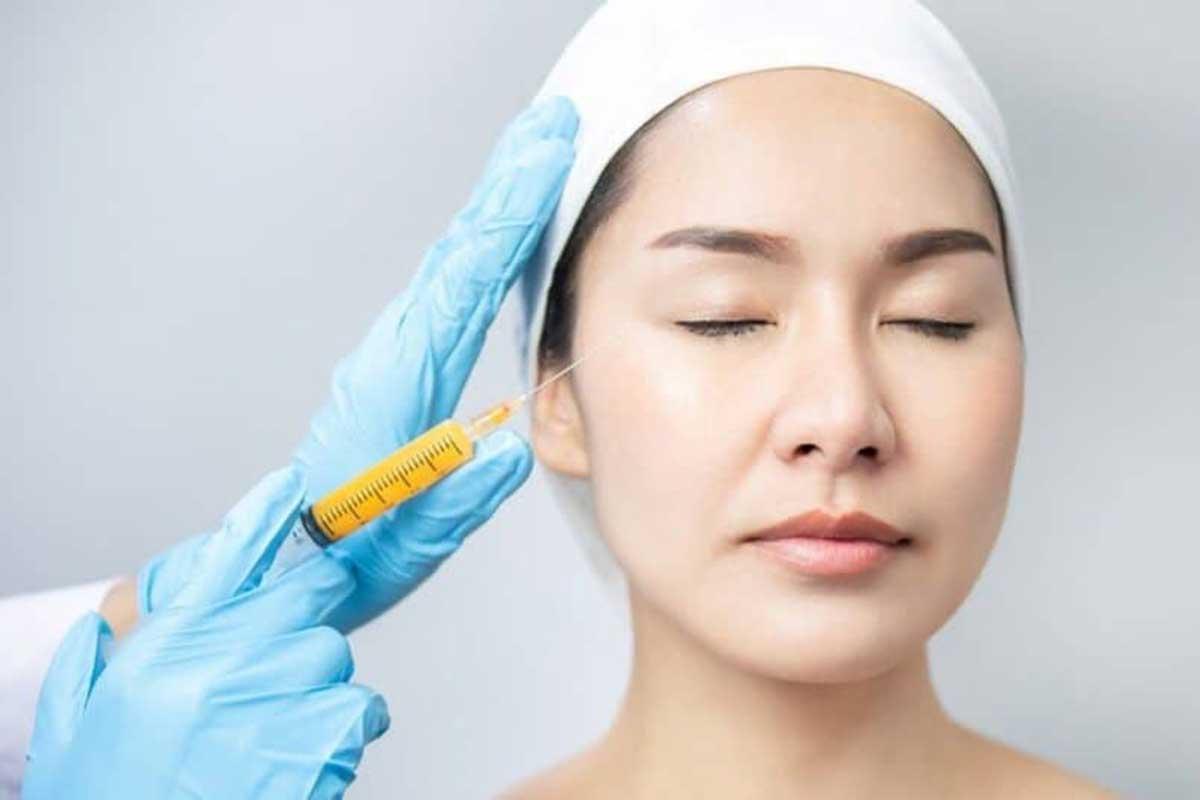
Fat transfer injections are increasingly considered by people who want natural-looking volume enhancement using fat taken from their own body. Unlike synthetic fillers, the procedure uses harvested fat that is processed and carefully injected into the desired area. However, choosing this treatment should involve more than simply comparing prices or looking at before-and-after photographs. If you are considering Fat Transfer Injection in Islamabad, understanding the procedure, safety considerations, expected results, and aftercare can help you make a more informed decision.
1. Choose a Qualified and Experienced Practitioner
One of the most important factors is the qualification and experience of the practitioner performing the procedure. Fat transfer involves two important stages: removing fat from a donor area and placing it into the treatment area. The technique used during harvesting, preparation, and injection can influence the final outcome. The American Society of Plastic Surgeons notes that the safety and outcome of fat grafting depend significantly on technique and expertise.
Before booking treatment, ask about:
- The practitioner's relevant qualifications and training
- Experience with fat transfer procedures
- The type of facility where the procedure is performed
- How complications are managed
- Whether appropriate follow-up care is available
- Before-and-after cases that demonstrate realistic outcomes
A consultation should also give you an opportunity to discuss your goals, medical history, expectations, and possible alternatives.
2. Understand Whether You Are a Suitable Candidate
Fat transfer is not automatically appropriate for everyone. A proper assessment is necessary to determine whether you have sufficient donor fat and whether your desired enhancement can realistically be achieved.
During consultation, the practitioner may assess your overall health, skin quality, body composition, treatment area, and expectations. Your goals also matter because fat transfer can be used for different purposes, including adding facial volume, improving contours, or addressing specific areas of volume loss.
It is also important to have realistic expectations. Transferred fat needs to establish a blood supply to survive, and some of the injected fat may naturally be absorbed by the body. Consequently, the final result may differ from the immediate post-treatment appearance, and some patients may require additional treatment to achieve their desired volume.
3. Ask About the Technique, Safety and Potential Risks
Before undergoing fat transfer, make sure you understand exactly how the procedure will be performed. Fat is generally collected from a suitable donor area using liposuction, processed, and then injected into the target area. Because the treatment involves both a donor and recipient site, recovery and potential complications should be discussed beforehand.
Possible complications can include infection, bleeding, asymmetry, irregular contours, fat necrosis, cyst formation, swelling, and loss of some transferred volume.
If the intended treatment involves gluteal fat grafting, safety considerations become particularly important. Professional plastic-surgery organizations have issued specific safety guidance for gluteal fat grafting, including appropriate surgical credentials and the use of real-time ultrasound to help confirm the injection plane.
Do not hesitate to ask questions about the technique, anesthesia, infection prevention, emergency protocols, and follow-up arrangements before consenting to treatment.
4. Have Realistic Expectations About Results
Another important consideration is understanding what fat transfer can and cannot achieve. The objective is generally to improve volume, shape, or contour rather than create an artificially perfect appearance.
Fat survival can vary between individuals. Some of the transferred fat may be absorbed, while the surviving fat can provide longer-lasting volume. The American Society of Plastic Surgeons notes that results can be less predictable in some facial fat-injection procedures and that multiple procedures may sometimes be needed.
Your practitioner should explain:
- How much enhancement may realistically be achieved
- Whether more than one session may be required
- When initial swelling is expected to settle
- How long it may take to see the final result
- What factors could affect fat survival
- Whether changes in body weight may influence the treated area
Having realistic expectations can help you evaluate your result more objectively.
5. Consider Recovery and Aftercare Before Booking
Recovery should be part of your decision, not something you think about after the procedure. The recovery period varies according to the treatment area, amount of fat transferred, and individual healing response.
You may experience swelling, bruising, tenderness, or temporary changes in sensation. Fat-injection recovery can take several weeks, and your practitioner may provide specific restrictions on physical activity and pressure on the treated area.
Following aftercare instructions carefully is important because excessive pressure, strenuous activity, or poor wound care may interfere with healing. Your practitioner should explain when you can return to work, exercise, normal activities, and follow-up appointments.
Why Choosing the Right Clinic Matters
When searching for a clinic in Islamabad, avoid making your decision based solely on promotional offers or the lowest quoted price. A reputable clinic should prioritize consultation, patient safety, qualified professionals, appropriate facilities, informed consent, and follow-up care.
A good consultation should leave you with a clear understanding of the procedure, expected outcome, recovery requirements, possible risks, and alternatives. If you feel pressured to proceed without having your questions answered, consider seeking another professional opinion.
Final Thoughts
Fat transfer can provide a personalized approach to restoring or enhancing volume using your own fat, but the outcome depends on appropriate patient selection, technique, realistic expectations, and proper aftercare. Before choosing Fat Transfer Injection in Islamabad, take time to evaluate the practitioner's experience, understand the procedure and risks, assess your candidacy, discuss expected results, and plan for recovery. A thorough consultation with a qualified medical professional is the best way to determine whether the procedure is appropriate for your individual goals.
Frequently Asked Questions
Is fat transfer a permanent treatment?
Some transferred fat can survive long-term, but a portion may be naturally absorbed by the body. Results vary between individuals.
How is fat collected for transfer?
Fat is commonly harvested from a suitable donor area using liposuction, processed, and then injected into the desired treatment area.
Is fat transfer safe?
It can be performed safely when appropriate patient selection, technique, qualified medical care, and proper safety protocols are used. However, like other procedures, it has potential risks.
How long does recovery take?
Recovery varies according to the treatment area and individual healing. Swelling and bruising may persist for a period of time, so follow your practitioner's specific aftercare instructions.
Can I get another fat transfer session?
Some patients may require or choose an additional session if they want more volume or if some transferred fat is absorbed. Your practitioner can assess whether another treatment is appropriate.

 English
 Arabic
 French
 Spanish
 Portuguese
 Deutsch
 Dutch
Dutch
 Italiano
 Russian
 Romaian
 Portuguese (Brazil)
 Greek
Greek