


Tattoo Removal in Dubai for Tattoos With Mixed Shading
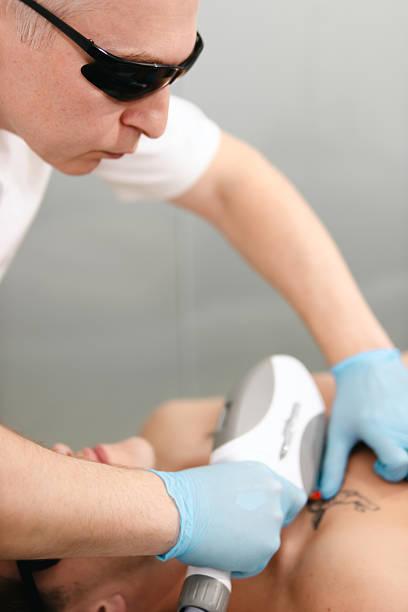
Tattoos with mixed shading can fade differently across the same design because shaded sections may contain varying amounts of pigment. Tattoo Removal in Dubai can be tailored to these differences by assessing shading density, ink depth, color, skin tone, previous treatment, and the patient's desired level of fading.
A tattoo may contain solid outlines, soft gradients, stippling, and partially shaded sections. These elements do not necessarily respond at the same rate, which means treatment progress should be evaluated across the design rather than judged from one area.
Why Mixed Shading Changes Tattoo Removal Planning
Shading is created by varying the concentration and distribution of tattoo pigment.
Some sections may contain a light layer of ink, while darker areas may have been worked repeatedly. As laser treatment progresses, lightly pigmented sections can become faint while dense areas remain visible.
This can make the tattoo appear patchy even when the treatment is producing a normal response.
Light Shading Versus Dense Shading
Lightly shaded areas generally contain less visible pigment than heavily saturated sections.
Dense shading can take longer to fade because more pigment needs to be fragmented and subsequently cleared by the body.
The difference is particularly noticeable in tattoos containing realistic portraits, floral artwork, animals, ornamental designs, and large black-and-gray compositions.
Tattoo Removal in Dubai for Different Shading Patterns
The structure of the tattoo provides useful information when developing a treatment plan.
| Shading Pattern | Main Consideration | Treatment Planning Focus |
|---|---|---|
| Soft gradients | Lower pigment concentration in some areas | Monitor gradual fading |
| Heavy black shading | Greater pigment density | Progressive treatment |
| Stipple shading | Individual pigment points | Assess distribution |
| Black-and-gray artwork | Different pigment concentrations | Evaluate each zone |
| Shaded lettering | Mixed stroke density | Consider line and fill response |
| Reworked shading | Potentially increased pigment | Review tattoo history |
This is why the visual size of a shaded tattoo alone cannot predict the number of treatment sessions.
How Laser Energy Interacts With Shaded Pigment
Laser tattoo removal targets pigment with controlled pulses of energy.
The energy can fragment tattoo pigment into smaller particles, allowing the body to gradually clear the treated pigment.
With mixed shading, the laser may encounter different concentrations of ink throughout the same treatment area. The response can therefore vary between dark and lightly shaded sections.
Treatment Should Not Simply Be Made More Aggressive
A darker area may contain more pigment, but that does not mean it should automatically receive increasingly aggressive treatment.
The surrounding skin must also be considered. Treatment parameters should balance pigment targeting with appropriate skin safety.
Progressive assessment allows the practitioner to determine whether remaining pigment requires additional treatment or simply more time to fade.
Pigment Depth Can Differ Within Shaded Tattoos
Shading may be deposited at different depths depending on the tattooing technique.
A section that looks visually similar to another area may contain pigment at a different depth within the skin.
This can influence how quickly the visible shading changes during treatment.
Reworked Sections May Contain More Ink
Tattoo touch-ups can increase pigment density.
If an artist reinforced faded shading or corrected part of a design, that section may remain darker during subsequent laser treatment.
Patients should mention any known touch-ups or modifications during consultation.
Black-and-Gray Tattoos Require Careful Assessment
Black-and-gray tattooing is commonly used for shaded artwork.
The gray appearance may result from different pigment concentrations rather than a completely separate gray pigment. Dilution, shading technique, and pigment deposition can all influence the final appearance.
A practitioner should therefore assess the tattoo itself rather than assuming that every gray section will respond identically.
Tattoo Color Still Matters in Shaded Designs
Some shaded tattoos are not exclusively black and gray.
A design may combine black outlines with red, blue, green, orange, or other pigments. Each pigment can respond differently to laser energy.
As treatment progresses, one color may fade substantially while another remains more visible.
This can change the appearance of the tattoo from one session to the next.
Skin Tone and Laser Treatment for Shaded Tattoos
Skin tone is an important consideration when planning laser tattoo removal.
The selected laser wavelength and parameters need to account for both tattoo pigment and surrounding skin.
Patients with darker skin tones may require particular attention to the risk of post-inflammatory pigmentation changes.
A test spot may be considered in appropriate cases to evaluate the skin's response before treating the entire design.
Tattoo Location Can Affect Shaded Tattoo Treatment
A shaded tattoo on the upper arm may have different treatment considerations from one located on the ankle, hand, foot, or neck.
Body areas vary in circulation, friction, movement, and sun exposure.
Areas With Frequent Friction
Tattoos near shoes, clothing seams, watchbands, or other areas of repeated contact may require additional aftercare attention.
Patients should discuss their daily routine with the practitioner so recovery expectations can be planned realistically.
Areas Exposed to Dubai Sun
Forearms, hands, shoulders, and other exposed locations can receive substantial UV exposure.
Sun protection is particularly important during a treatment course because recent tanning may influence treatment timing and UV exposure during recovery can increase pigmentation concerns.
Uneven Fading Is Common With Mixed Shading
It is possible for the softest parts of a shaded tattoo to fade first.
The remaining darker sections can then make the tattoo appear uneven.
This does not necessarily indicate that the treatment has failed. It may simply reflect differences in the original pigment distribution.
Progress Should Be Evaluated After Healing
Immediately following treatment, temporary redness, swelling, whitening, tenderness, blistering, or crusting may affect how the tattoo looks.
The skin needs time to recover before meaningful fading can be evaluated.
Consistent photographs taken under similar conditions can help compare progress between sessions.
Previous Laser Treatment Can Change the Appearance
A tattoo that has already undergone laser treatment may contain a very different pigment distribution from an untreated tattoo.
Some shading may have faded substantially, while dense sections remain.
If previous treatment was performed elsewhere, patients should provide information about the treatment dates, laser type if known, and any skin reactions.
The current condition should be assessed rather than automatically repeating the same treatment protocol.
Planning Sessions Around Shading Density
There is no universal number of sessions for a mixed-shading tattoo.
The treatment course can depend on:
- Overall pigment density
- Shading technique
- Ink color
- Pigment depth
- Tattoo age
- Skin tone
- Tattoo location
- Previous treatment
- Individual response
The time between sessions is also important because the body needs time to clear fragmented pigment and the skin needs to recover.
Dubai Climate and Shaded Tattoo Recovery
Dubai's hot, sunny environment makes post-treatment planning especially relevant.
Direct sunlight should be managed carefully according to the practitioner's instructions.
Recent tanning can affect whether a session is appropriate, while excessive UV exposure during recovery may increase the risk of unwanted pigmentation changes.
Indoor Air Conditioning
Frequent air conditioning can make skin feel dry.
Patients should avoid unnecessarily irritating the treated area and follow the recommended skin-care routine during recovery.
The objective is to support normal healing rather than adding additional products that could irritate the skin.
Aftercare for Mixed-Shading Tattoos
After laser treatment, patients should follow the provider's specific instructions.
Common precautions can include avoiding:
- Picking or scratching the treated area
- Removing crusts prematurely
- Strong acids or abrasive products
- Unapproved tattoo-removal creams
- DIY laser devices
- Excessive sun exposure
- Friction over healing skin
The exact aftercare requirements depend on the treatment response and location.
Managing a Tattoo That Contains Heavy and Light Areas
A patient may notice that light shading has almost disappeared while dark sections remain obvious.
This can create frustration, especially when the tattoo appears more uneven than before.
The appropriate response is not necessarily to treat the darker sections immediately. The practitioner may first determine whether the skin has fully recovered and whether sufficient time has passed for pigment clearance.
Treatment Goals Can Be Adjusted
The patient may eventually decide that the remaining tattoo is sufficiently faded.
Alternatively, further treatment may be desired because the darker sections remain visible.
Discussing the endpoint throughout the process helps ensure that treatment remains aligned with the patient's actual objective.
Questions to Discuss During Consultation
Patients with mixed-shading tattoos can ask:
- Which areas contain the highest pigment density?
- Are the shaded sections likely to respond at different rates?
- Does the tattoo contain more than one pigment color?
- Was any section likely to have been reworked?
- Which laser technology is appropriate for the remaining pigment?
- Would a test spot be useful?
- How will progress be documented?
- How long should the skin recover between sessions?
- What sun precautions are important in Dubai?
These questions can provide a clearer understanding of the treatment strategy.
Avoid DIY Methods for Shaded Tattoos
Shaded tattoos can appear lighter at the surface, which may encourage attempts to remove them with home products.
Chemical creams, abrasive techniques, strong acids, and unapproved laser devices can damage the skin while leaving deeper tattoo pigment behind.
Scarring or pigmentation changes can create a more visible cosmetic problem.
Professional assessment is a safer approach when the goal is controlled tattoo pigment reduction.
When Skin Changes Need Medical Review
Temporary treatment reactions can occur, but severe or unusual symptoms require attention.
Medical assessment should be sought if there is severe or worsening pain, spreading redness, pus, fever, extensive blistering, or unusual skin changes.
Patients should also contact their treating provider if recovery looks significantly different from what was explained before treatment.
Realistic Expectations for Shaded Tattoo Removal
Mixed shading does not disappear uniformly.
Lightly pigmented sections may become faint relatively early, while heavily saturated areas can remain visible for longer. Certain colors may also respond differently from black or gray pigment.
Multiple sessions are commonly required, and complete removal cannot be guaranteed. Residual pigment or faint ghosting can remain depending on the tattoo and individual skin response.
The most useful measure of success is progressive improvement toward the agreed treatment goal.
The Strategic Approach to Tattoo Removal in Dubai for Mixed Shading
A mixed-shading tattoo should be treated according to its actual pigment structure rather than its overall appearance. Differences in shading density, pigment depth, color, location, skin tone, previous treatment, and recovery can all influence how the tattoo fades.
For patients seeking individualized treatment for shaded or black-and-gray tattoos, Tajmeels Clinic can assess the remaining pigment and skin condition and develop a treatment strategy around the desired degree of tattoo reduction.

 English
 Arabic
 French
 Spanish
 Portuguese
 Deutsch
 Turkish
 Dutch
Dutch
 Italiano
 Russian
 Romaian
 Greek
Greek