


Are Sandstone Tiles a Good Choice for Outdoor Spaces?
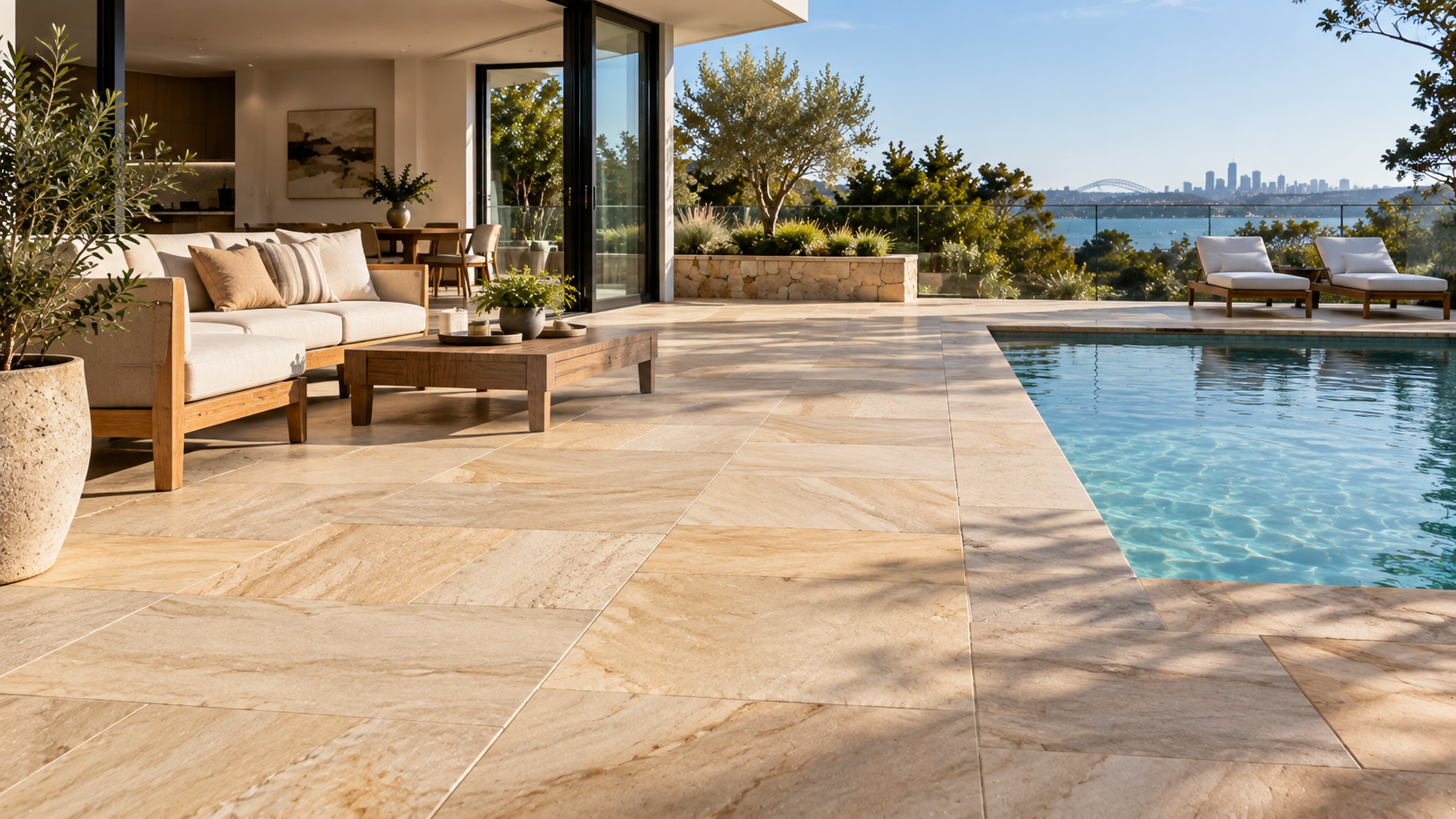
Sandstone is a popular natural stone for patios, pathways, pool surrounds, alfresco areas and gardens. Its natural colours, visible grain and textured finishes can give outdoor spaces a warm and less manufactured appearance.
But is sandstone actually a good choice for outdoor areas? In most suitable applications, Sandstone Tiles Outdoor products can work well when the correct grade, thickness, finish and installation method are selected. However, sandstone is a natural material, so it is important to understand its characteristics before buying.
What Makes Sandstone Suitable for Outdoor Areas?
Sandstone is a sedimentary natural stone made primarily from sand-sized mineral particles. Its natural variation in colour and texture makes it suitable for outdoor designs where a more organic appearance is preferred.
Good-quality sandstone can be used for outdoor paving, paths, patios and pool areas. Stone Planet, for example, supplies sandstone pavers in thicker formats for external applications and offers different finishes depending on the intended use.
Another advantage is the range of natural colours available. Depending on the stone, sandstone can feature beige, cream, grey, brown, pink and other earthy tones. These colours can work well with gardens, landscaping and contemporary outdoor designs.
Are Sandstone Tiles Suitable for Outdoor Flooring?
The answer depends on the product. Not every sandstone tile is designed for every outdoor application.
When choosing Sandstone Tiles Outdoor products, you should consider the thickness, surface finish, substrate, expected traffic and exposure to moisture.
For example, a thinner sandstone tile designed for installation over a rigid concrete slab should not automatically be treated as equivalent to a thicker outdoor paver. Stone Planet distinguishes between its thinner calibrated sandstone tiles and thicker sandstone pavers, with the latter intended for applications such as patios, pool decks and driveways.
This distinction is important when choosing natural stone for an outdoor project.
What About Sandstone Around Pools?
Sandstone can be considered for pool surrounds, but the surface finish is particularly important.
Pool areas are regularly exposed to water, so the stone should have an appropriate surface texture and slip characteristics for the intended application. Natural split and sandblasted sandstone finishes can provide a more textured surface than a smooth finish, which may be useful in outdoor areas where water is present.
The specific slip performance should always be confirmed for the exact product rather than assuming that every sandstone has the same characteristics.
Sandstone vs Other Outdoor Flooring Materials
One reason homeowners choose sandstone is its natural appearance. Unlike manufactured products with highly consistent patterns, sandstone has natural grain, colour variation and markings.
It can be a good option if you want an outdoor space to feel connected to the surrounding landscape. However, other natural stones may be more suitable depending on the project.
Travertine, limestone, bluestone and granite all have different properties. The right choice depends on factors such as expected traffic, exposure to water and salt, appearance, maintenance and the required finish.
Rather than choosing a stone simply because it looks attractive, compare the technical characteristics of the products being considered.
Does Sandstone Need Sealing and Maintenance?
Sandstone is porous to varying degrees, so sealing can be an important part of its maintenance depending on the specific stone and application.
A suitable penetrating sealer can help reduce the absorption of moisture and stains, but sealing does not make the stone completely maintenance-free. Outdoor sandstone should still be kept reasonably clean, with dirt and organic matter removed regularly.
For cleaning, use products suitable for natural stone. Strong acidic or unsuitable cleaning chemicals can damage some natural stone surfaces, so always follow the stone supplier's care recommendations.
What Should You Check Before Buying Sandstone?
Before purchasing sandstone for an outdoor project, consider:
- Stone quality: Different sandstone grades can have different levels of density and water absorption.
- Thickness: Choose a thickness appropriate for the intended application and substrate.
- Finish: Natural split, sandblasted and other finishes can have different visual and surface characteristics.
- Installation: The base, drainage, adhesive or bedding system should be suitable for the product.
- Sealing: Ask whether the stone requires sealing and which type of sealer is recommended.
- Traffic: A product suitable for a patio may not necessarily be suitable for a driveway.
- Samples: Natural stone varies, so viewing a physical sample can help you assess colour and texture.
These factors are more useful than judging a sandstone product on appearance or price alone.
Why Consider Stone Planet for Sandstone?
If you are looking for sandstone for an outdoor project in Australia, Stone Planet is a natural stone supplier worth considering. Its sandstone collection includes tiles and thicker pavers in a range of colours, formats and finishes for different residential and commercial applications.
Stone Planet offers sandstone for applications including outdoor entertaining areas, pool surrounds, pathways and patios, while its thinner sandstone tiles can also be used for suitable indoor and slab-based applications.
The company operates warehouses in Sydney, Melbourne and Brisbane and supplies natural stone across Australia. This can be useful for homeowners, builders, landscapers and designers sourcing sandstone for projects in different locations.
If you are unsure which sandstone product is suitable, discussing the project with the supplier and requesting a sample can help you compare the available options before ordering.
Final Verdict: Is Sandstone a Good Outdoor Choice?
Yes, sandstone can be a good choice for outdoor spaces, provided the product is selected for the specific application.
Its natural appearance, range of colours and availability in different finishes make it suitable for many patios, pathways, pool surrounds and landscaping projects. However, quality, density, thickness, surface finish, installation and maintenance all matter.
So rather than asking whether sandstone is simply “good” or “bad” for outdoor use, the better question is whether the particular sandstone product is suitable for your project.
For Australian homeowners and professionals considering Sandstone Tiles Outdoor options, comparing the stone's specifications and intended application with the conditions of the site is the best way to make an informed decision.

 English
 Arabic
 French
 Spanish
 Portuguese
 Deutsch
 Turkish
 Italiano
 Russian
 Romaian
 Portuguese (Brazil)
 Greek
Greek