


The Importance of Professional Wound Care at Home
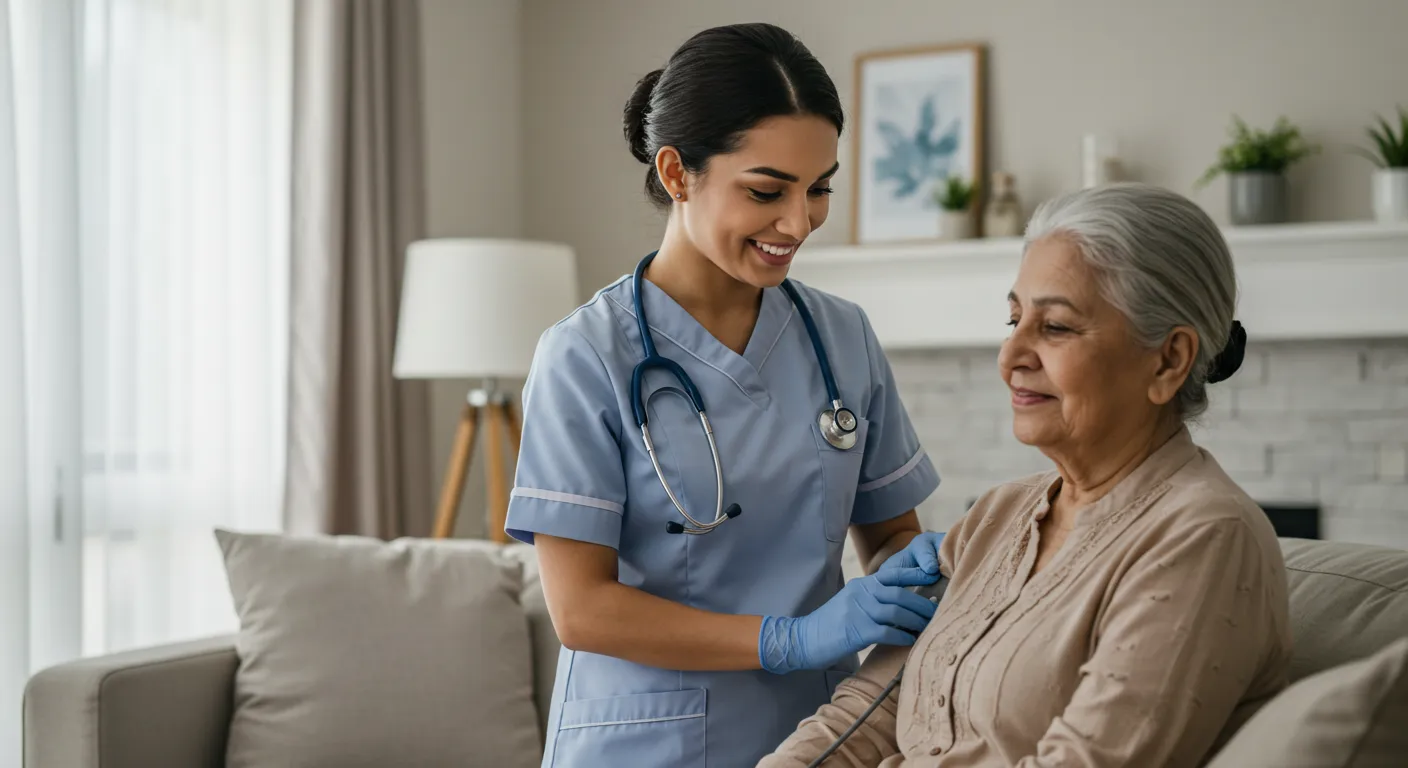
Proper wound care plays an important role in recovery, particularly for patients who are healing after surgery, dealing with chronic wounds, or living with conditions that can slow the healing process. Home Nursing Services in Dubai can provide professional support for patients who need wound management without making frequent trips to a healthcare facility. When an in-person medical assessment is required, a Doctor at Home may be appropriate depending on the patient's condition, while qualified nurses can continue wound-related care according to professional instructions. Receiving appropriate wound care at home can improve comfort, support healing, reduce avoidable complications, and give families greater confidence when caring for a loved one.
Why Professional Wound Care Matters:
A wound may appear minor on the surface but still require careful monitoring and appropriate treatment. Surgical wounds, pressure injuries, diabetic wounds, burns, and other injuries can become more complicated if they are not managed correctly. Professional nurses understand the importance of maintaining appropriate hygiene, using suitable dressing techniques, and observing changes in the wound. Their role is particularly valuable for patients who cannot easily travel to a clinic because of limited mobility or ongoing health problems. Professional wound care also gives families access to trained support rather than requiring them to manage unfamiliar clinical tasks independently.
Common Types of Wounds Managed at Home:
Different wounds require different approaches, which is why care should always be based on professional assessment and an established care plan. Depending on the patient's needs and the nurse's professional scope, home wound care may support individuals recovering from:
- Surgical procedures
- Pressure-related skin injuries
- Diabetic wounds
- Cuts and injuries
- Burns
- Chronic ulcers
- Skin tears
- Wounds associated with limited mobility
The appropriate dressing, cleaning method, frequency of care, and monitoring process can vary depending on the wound and the patient's overall health.
How Nurses Assess a Wound:
Professional wound management begins with observation and assessment. Nurses can examine relevant characteristics of the wound according to the established care plan, including its appearance, surrounding skin, drainage, and changes over time. They may document observations and communicate concerns to the responsible healthcare professional when appropriate. Regular assessment is useful because a wound can change between medical appointments. A nurse who provides ongoing care may recognize differences from previous visits and ensure that relevant information is communicated. This ongoing observation can contribute to more coordinated wound management.
Maintaining Proper Wound Hygiene:
Cleanliness is a fundamental part of wound care. Nurses use appropriate hygiene and infection-control procedures within their professional scope when caring for wounds. The exact approach depends on the wound and the instructions provided by the healthcare team. Families should avoid experimenting with household products, unapproved antiseptics, or alternative treatments because these may not be suitable for every type of wound. Professional guidance is particularly important for surgical wounds and chronic wounds, where inappropriate handling can interfere with the intended treatment plan.
Choosing and Changing Dressings:
Dressings can protect wounds from external contamination while helping create an appropriate environment for healing. However, different wounds may require different types of dressings and replacement schedules. Nurses can follow the prescribed wound-care plan and use the appropriate materials as instructed. They can also observe the dressing and surrounding skin during care. Families should follow the instructions provided by the healthcare team and should not assume that a dressing suitable for one wound is appropriate for another. Professional guidance helps ensure that wound management remains consistent with the patient's individual requirements.
Recognizing Signs of Possible Infection:
One of the reasons professional wound care is valuable is that nurses can monitor for changes that may require medical attention. Depending on the wound, concerns may include increasing redness, swelling, unusual discharge, worsening pain, unpleasant odor, or changes in the surrounding skin. A nurse does not independently diagnose an infection, but relevant observations can be communicated to the appropriate healthcare professional. Patients and families should take new or worsening symptoms seriously and follow the escalation instructions provided by their healthcare team.
Supporting Patients With Chronic Wounds:
Some wounds take longer to heal because of underlying health conditions or reduced circulation, limited mobility, or other factors. Chronic wounds may require ongoing management rather than a short course of treatment. Regular home nursing can help patients maintain their established wound-care routine and attend to dressings according to professional instructions. Consistent care can also make it easier to document changes and communicate relevant information to the healthcare team. Families should understand that wound healing times vary and that professional treatment should be guided by the underlying cause and the patient's overall health.
Wound Care for Patients With Limited Mobility:
Patients who spend long periods in bed or have difficulty changing position may face an increased risk of pressure-related skin damage. Professional nurses can support appropriate repositioning and follow care plans designed to protect vulnerable areas of the body. They may also observe the patient's skin regularly and communicate concerning changes. Families can support these efforts by keeping bedding clean and dry, following positioning recommendations, and ensuring that any recommended equipment is used correctly. Preventive care is particularly important because addressing pressure-related problems early may help avoid more serious complications.
Supporting Post-Surgical Wound Recovery:
After surgery, patients may return home while their incision still requires observation and care. Depending on the procedure and medical instructions, nurses can provide designated wound-care support, observe the incision, and assist with related healthcare routines. They can also communicate relevant concerns to the patient's healthcare team. Patients should follow their surgeon's or physician's instructions regarding bathing, activity, dressing changes, and other restrictions. Home nursing can complement those instructions by providing professional support during the recovery period.
Helping Patients Manage Wound-Related Discomfort:
Wounds can sometimes cause pain or discomfort, particularly during movement or dressing changes. Nurses can follow the patient's established care plan and communicate concerns about worsening or unexpected discomfort to the appropriate healthcare professional. They can also approach wound-care procedures gently and respectfully. Pain should not simply be assumed to be a normal part of healing if it becomes severe, persistent, or noticeably different. Patients should communicate changes in pain so that their healthcare team can determine whether further assessment is necessary.
Supporting Nutrition During Wound Recovery:
Nutrition can be relevant to the body's ability to repair tissue, although individual dietary needs vary. Patients with wounds may have specific nutritional recommendations based on their medical condition. Home nurses can support established meal and hydration routines within their professional responsibilities and observe issues such as reduced appetite or difficulty maintaining adequate intake. Any specialized nutritional plan should be developed by an appropriately qualified healthcare professional. Families should ensure that the nursing team is aware of relevant dietary instructions.
Managing Wound Care Supplies:
Having the right supplies available can make home wound care more organized. Families should ask the nursing provider which materials are supplied by the service and which items they need to arrange themselves. Supplies should be stored appropriately and kept clean and accessible to the nursing professional. Families should check instructions and avoid using expired or damaged products. Keeping supplies organized also helps prevent interruptions during scheduled wound-care visits and makes it easier to maintain a consistent routine.
Keeping the Home Environment Suitable for Wound Care:
A clean and practical care environment can make wound management easier. The area where wound care takes place should provide sufficient space, appropriate lighting, and reasonable privacy. Frequently used supplies should be organized without creating clutter. Families should also keep pets, unnecessary visitors, and avoidable distractions away from the care area when appropriate. A well-prepared environment allows the nurse to focus on the procedure while helping the patient feel comfortable and respected.
Educating Families About Wound Care:
Professional nurses can also help families understand the basics of the patient's wound-care routine. Depending on the situation, this may include explaining how to protect the wound, when to contact the healthcare team, and which changes should be reported. Education can give caregivers greater confidence while reducing the risk of accidental mistakes. However, family members should only perform wound-care tasks that they have been appropriately instructed and authorized to perform. Complex procedures should remain with qualified professionals.
Maintaining Consistency in Wound Management:
Wound care often requires consistency, particularly when dressings need to be changed according to a specific schedule. Missed or inconsistent care can make it harder to follow the intended treatment plan. Home nursing provides a structured approach that can help patients maintain regular wound-care routines. Good documentation also allows different members of the nursing team to understand what has been done and what observations have been recorded. Continuity becomes particularly valuable when wound management continues for several weeks.
Communicating With the Healthcare Team:
Effective communication is essential when managing a wound at home. Nurses can communicate relevant observations to the responsible healthcare professional according to the established care process. Families should provide updated medical instructions whenever treatment changes. If a physician modifies a dressing plan, medication, activity restriction, or other aspect of wound management, the nursing provider should receive the updated information. Clear communication helps prevent conflicting instructions and ensures that wound care remains aligned with the patient's current treatment plan.
Knowing When Home Care Is Not Enough:
Home nursing can support many patients, but certain situations require prompt medical evaluation or hospital-level care. Families should understand the warning signs provided by the patient's healthcare team and know how to respond when a wound appears to worsen. Significant bleeding, severe pain, rapidly changing swelling, serious deterioration, or other urgent symptoms may require immediate medical attention. Patients and caregivers should follow their healthcare provider's emergency instructions rather than relying solely on scheduled home nursing visits.
Choosing Professional Home Wound Care:
Selecting the right nursing provider is important when wound care will continue over multiple visits. Families should ask about nurse qualifications, wound-care experience, availability, communication procedures, and how care plans are developed. It is also useful to clarify which wound-care services are offered and whether specialized cases require additional professional support. Other important considerations include scheduling, pricing, documentation, privacy, and procedures for replacing a nurse when the assigned professional is unavailable. A provider that prioritizes individualized care and clear communication can make home wound management more organized and reassuring.
Final Thoughts
Professional wound care at home can provide valuable support for patients who need ongoing wound management while remaining in familiar surroundings. Home Nursing Services in Dubai can assist with appropriate dressing care, wound observation, hygiene, positioning, post-surgical support, and communication with the healthcare team. The benefits extend beyond convenience because professional nursing can help families follow established care plans while identifying relevant changes that may require further medical attention. Every wound is different, so care should always be guided by qualified healthcare professionals rather than general assumptions. With consistent nursing support, appropriate supplies, good hygiene, and clear communication, patients can receive more organized and compassionate wound care in the comfort of their own homes.

 English
 Arabic
 French
 Spanish
 Portuguese
 Deutsch
 Dutch
Dutch
 Italiano
 Russian
 Romaian
 Portuguese (Brazil)
 Greek
Greek