


The Science of Testosterone and the Foundations of Men’s Vitality
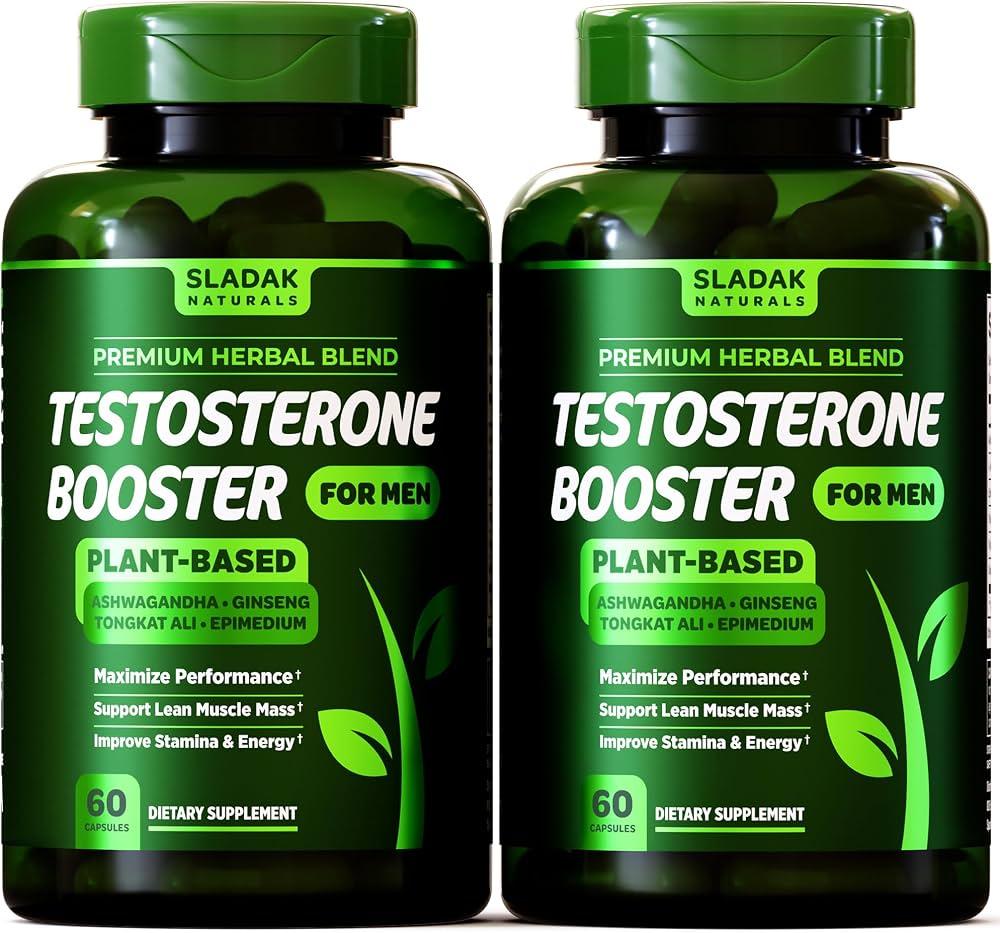
Understanding testosterone supplements is only one part of a much larger conversation about men’s health. Testosterone is a powerful hormone with effects that extend far beyond libido and reproductive function. It contributes to muscle development, bone maintenance, body composition, energy, mood, motivation, and other aspects of physical well-being. However, hormonal health does not operate independently. Sleep, nutrition, physical activity, stress, age, metabolic health, medications, and existing medical conditions can all influence how a man feels. Taking a comprehensive approach makes it easier to understand testosterone without reducing overall wellness to a single hormone level.
Testosterone: More Than a Hormone Associated With Libido
Testosterone is an androgen hormone that plays an important role throughout a man's life. During adolescence, it contributes to changes associated with male development. During adulthood, it remains involved in maintaining muscle tissue, bone density, sexual function, and other physiological processes.
Its relationship with energy and psychological well-being is also important. Testosterone interacts with various systems within the body, meaning changes in hormonal status may coincide with differences in motivation, mood, or physical performance.
Nevertheless, testosterone should not be treated as the explanation for every change that occurs with age.
A man may experience tiredness, difficulty concentrating, reduced motivation, or changes in body composition for numerous reasons. Identifying the underlying factors is more useful than immediately assuming that hormones are responsible.
Recognizing Potential Signs of Hormonal Changes
Certain symptoms can sometimes occur when testosterone levels are lower than expected. These may include reduced sexual desire, changes in erectile function, declining muscle strength, increased body fat, persistent fatigue, or changes in mood.
However, symptoms are not specific to testosterone deficiency.
For example, inadequate sleep can cause daytime fatigue and poor concentration. Stress can reduce motivation and affect mood. A sedentary lifestyle can contribute to changes in muscle mass and body composition. Certain medications and medical conditions can also influence energy and sexual function.
Because of this overlap, persistent symptoms should be considered in the context of a person's overall health.
Why Context Matters
Hormonal health is not determined by symptoms alone. Testosterone levels can fluctuate, and laboratory results can vary depending on factors such as the time of day and individual circumstances.
A healthcare professional can consider symptoms, medical history, physical findings, medications, and appropriate laboratory testing together.
This approach helps distinguish normal variations from situations that may warrant further evaluation.
How Age Can Influence Testosterone
Hormonal patterns naturally evolve as men move through different stages of life.
Testosterone levels can gradually change with age, but aging does not automatically mean that a man has a hormonal disorder or requires treatment.
Lifestyle and health status can have significant effects as well. Weight gain, reduced physical activity, chronic stress, inadequate sleep, and certain health conditions can all influence hormonal function.
This is why healthy aging should involve more than monitoring hormone levels. Maintaining cardiovascular fitness, strength, mobility, mental well-being, and metabolic health can be equally important.
Sleep: A Fundamental Part of Hormonal Wellness
Sleep is one of the most important foundations for physical recovery.
During quality sleep, the body carries out numerous regulatory processes that support the nervous system, metabolism, immune function, and hormonal balance. Regular sleep disruption can affect energy and mood and may interfere with normal physiological processes.
Men can improve their sleep environment by maintaining consistent sleep and wake times, reducing unnecessary evening stimulation, keeping the bedroom comfortable, and developing a calming bedtime routine.
It is also useful to pay attention to persistent sleep problems. Regularly waking during the night, experiencing extreme daytime sleepiness, or consistently feeling unrefreshed may deserve professional evaluation.
Good sleep is not a luxury. It is a central component of long-term health.
Strength Training and Physical Performance
Resistance exercise is particularly valuable for men who want to preserve strength and muscle as they age.
Weight training, bodyweight exercises, resistance bands, and other forms of resistance exercise can help maintain lean tissue and physical function.
A well-designed fitness routine does not need to be complicated. Training major muscle groups consistently, allowing adequate recovery, and gradually increasing difficulty can provide a practical foundation.
Cardiovascular exercise should also have a place in a complete program. Walking, cycling, swimming, jogging, and similar activities support cardiovascular fitness and endurance.
The objective should be sustainable physical activity rather than constant high-intensity training.
Recovery Is Part of Training
Exercise creates a demand for recovery. If training volume becomes excessive while sleep and nutrition remain inadequate, performance may decline.
Rest days, adequate nutrition, hydration, and sufficient sleep can help the body adapt to training.
This is particularly relevant for men who view exercise primarily as a way to improve appearance or testosterone. A balanced fitness program should support the whole body rather than focus on one outcome.
Nutrition and Hormonal Function
Nutrition supplies the energy and nutrients needed for normal biological processes.
A balanced eating pattern can include lean proteins, vegetables, fruits, whole grains, legumes, nuts, seeds, and healthy sources of dietary fat. The exact dietary pattern can vary according to personal needs and preferences.
Adequate protein is useful for maintaining muscle, particularly when combined with resistance training. A broad range of micronutrients also supports normal physiological functions.
At the same time, nutritional excesses can be problematic. Taking large quantities of individual vitamins or minerals does not necessarily produce greater hormonal benefits.
Instead, the focus should be on nutritional adequacy and overall dietary quality.
Body Composition and Metabolic Health
Body composition is another important consideration in men's wellness.
Higher levels of body fat, particularly when associated with metabolic dysfunction, may be linked with lower testosterone levels in some men. This relationship can make healthy weight management relevant to both general health and hormonal wellness.
Weight management does not require extreme diets.
Gradual improvements through balanced nutrition, regular exercise, adequate sleep, and appropriate calorie intake can be more sustainable than aggressive short-term approaches.
Building muscle while reducing excess body fat can also improve physical function, strength, mobility, and confidence.
The Connection Between Stress and Well-Being
Stress is another factor that can affect the way men experience their health.
Work responsibilities, financial pressure, family demands, relationship difficulties, and constant digital connectivity can make recovery challenging.
Ongoing stress may influence sleep, eating behavior, exercise patterns, mood, and energy. These indirect effects can create a cycle in which a person feels increasingly fatigued and less motivated.
Managing stress does not mean eliminating every difficult situation. Instead, practical strategies can help the body and mind recover.
These may include regular exercise, outdoor activities, hobbies, social interaction, relaxation techniques, structured breaks, and healthier boundaries around work.
Evaluating Testosterone-Focused Products
The supplement market contains a wide variety of products marketed toward men interested in energy, performance, aging, or hormone support.
Formulations can include vitamins, minerals, botanical extracts, amino acids, and other compounds. The amount of research supporting each ingredient can differ significantly.
Some ingredients have been studied in clinical research, while others have limited evidence. Even when research exists, the results may depend on dosage, population, health status, and study design.
Therefore, a product's marketing claims should not be confused with clinical evidence.
What to Look For on a Label
Men evaluating a product can start with basic questions:
-
Does the label clearly identify every active ingredient?
-
Are the quantities disclosed?
-
Is there human research supporting the ingredients?
-
Are the claims realistic?
-
Does the formulation contain unnecessary combinations?
-
Could the ingredients interact with medications?
-
Is there an appropriate reason to use the product?
These questions encourage informed decision-making.
The Difference Between Marketing and Evidence
The phrase “testosterone support” can mean different things to different manufacturers.
One product might focus on correcting a nutritional deficiency. Another may contain botanical ingredients intended to support general wellness. A third may combine numerous compounds into a proprietary blend.
These products should not automatically be considered equivalent.
Research evaluating testosterone-focused supplements has found considerable variation in the evidence supporting individual ingredients. A 2020 review of commercially available products found that many ingredients lacked adequate evidence demonstrating an effect on testosterone. More recent research has similarly concluded that most proposed testosterone-boosting ingredients do not consistently increase total testosterone across available studies.
This reinforces the importance of evaluating products individually rather than assuming that a category-wide claim applies to every formulation.
Building Better Habits for Long-Term Health
The most reliable foundation for hormonal wellness is usually built through everyday habits.
Men can prioritize consistent sleep, regular exercise, adequate nutrition, healthy body composition, stress management, and appropriate preventive healthcare.
It is also useful to avoid constantly switching between different wellness strategies. Sustainable improvements generally require consistency.
Rather than looking for an overnight transformation, men can monitor meaningful indicators such as energy, strength, sleep quality, fitness, mood, and overall daily function.
If a significant change persists despite healthy lifestyle habits, professional evaluation may help identify whether an underlying issue needs attention.
When Professional Guidance Makes Sense
There are situations in which professional guidance becomes particularly valuable.
Men experiencing persistent sexual changes, unexplained fatigue, significant loss of strength, changes in body composition, or other ongoing symptoms may benefit from discussing those concerns with a healthcare professional.
Testing can sometimes provide useful information, but results need to be interpreted correctly. Hormone levels naturally fluctuate, and diagnosis should not be based solely on a symptom or isolated laboratory measurement.
A professional can help determine whether further testing is appropriate and whether symptoms may have another explanation.
This approach reduces the risk of pursuing unnecessary treatments while also making it easier to identify legitimate health concerns.
A Balanced Perspective on Testosterone Support
Hormonal wellness should be viewed as one part of a broader health strategy.
Sleep, exercise, nutrition, stress, body composition, cardiovascular health, mental well-being, and medical care all interact with one another. Improving these areas can create a stronger foundation for healthy aging.
Products may have a place within an individual's wellness strategy, but they should be approached with realistic expectations and attention to evidence.
For men researching testosterone boosters, it is important to evaluate ingredients carefully, understand what the available research actually shows, and consider individual circumstances rather than assuming that every product will deliver dramatic hormonal changes.
Frequently Asked Questions
1. What is the main function of testosterone?
Testosterone supports several processes, including muscle maintenance, bone health, sexual function, red blood cell production, and aspects of physical and psychological well-being.
2. Can lifestyle affect testosterone?
Yes. Sleep, exercise, nutrition, body composition, stress, and overall health can influence hormonal function. Healthy lifestyle habits are therefore an important part of maintaining general wellness.
3. Does feeling tired mean testosterone is low?
Not necessarily. Fatigue can have many causes, including insufficient sleep, stress, nutritional issues, medications, inactivity, and other health conditions. Persistent symptoms should be evaluated in context.
4. Are testosterone-focused products suitable for everyone?
No. Products vary in ingredients and dosage, and individual health circumstances differ. Men taking medications or managing health conditions should consider professional guidance before starting new supplements.
5. Is exercise important for men's hormonal wellness?
Regular physical activity is an important component of overall health. Resistance training can support muscle and strength, while cardiovascular exercise contributes to endurance and cardiovascular fitness.
Conclusion
Testosterone is an important part of men's health, but it should be understood within the larger context of physical and mental well-being. Hormonal changes can interact with sleep, exercise, nutrition, stress, body composition, and age.
A thoughtful approach focuses on sustainable habits, realistic expectations, evidence-based information, and appropriate professional evaluation when concerns persist. By looking beyond quick fixes and paying attention to the foundations of health, men can make more informed choices about their long-term vitality and wellness.

 English
 Arabic
 French
 Spanish
 Portuguese
 Deutsch
 Turkish
 Dutch
Dutch
 Italiano
 Russian
 Portuguese (Brazil)
 Greek
Greek