


At-Home Vitamin D Tests: Common Questions Answered
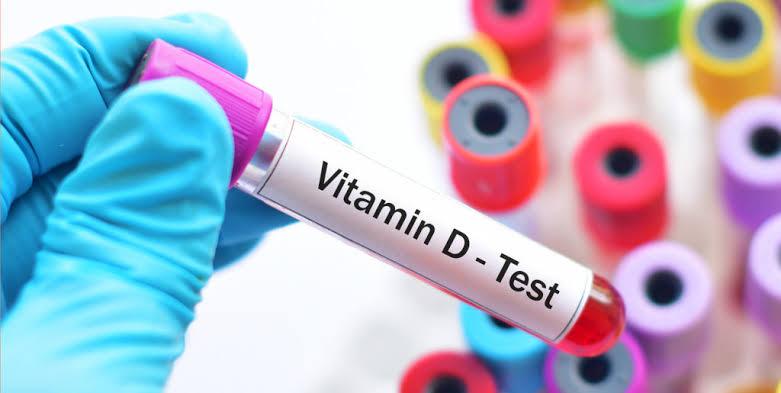
Vitamin D testing can be a convenient way to learn more about your nutritional health, especially when you want to monitor your levels without making a routine laboratory visit. Vitamin D Tests At Home in Dubai provide an accessible option for people who prefer sample collection from the comfort of their home. A Doctor at Home service may also be useful when professional guidance is needed to understand symptoms or discuss test results. However, many people have questions about how home vitamin D tests work, whether preparation is required, how accurate they are, and what happens after the sample is collected. Understanding these common questions can help you approach home testing with greater confidence.
What Does an At-Home Vitamin D Test Measure?:
Most vitamin D blood tests measure 25-hydroxyvitamin D, commonly called 25(OH)D. This is the main blood marker used to assess vitamin D status because it reflects vitamin D obtained from sunlight, food, and supplements. Depending on the testing service, a small blood sample may be collected at home and sent to a laboratory for analysis. The final report generally provides a numerical result along with the laboratory's reference range. Although this measurement can provide useful information about vitamin D status, it does not by itself explain why a level may be low or high, so results should be considered alongside other health information when necessary.
Do You Need to Fast Before a Vitamin D Test?:
Many vitamin D tests performed on their own do not generally require fasting, but preparation requirements can vary between providers. If vitamin D testing is included as part of a broader blood test panel, additional instructions may apply. The safest approach is to carefully review the instructions supplied with your specific test kit before collecting the sample. Do not assume that fasting is necessary or make unnecessary changes to your normal routine without checking the provider's guidance. If you have received specific instructions from a healthcare professional, those instructions should take priority.
How Is a Vitamin D Sample Collected at Home?:
Many home vitamin D testing kits use a small blood sample collected through a finger prick, although collection methods can differ. Before beginning, carefully read the instructions and prepare all required materials. Hands should generally be clean and dry, and the collection area should be prepared according to the kit's directions. The required amount of blood needs to be collected and placed into the appropriate container or collection card. Following each step carefully is important because an insufficient or improperly collected sample may not be suitable for laboratory analysis.
Are At-Home Vitamin D Tests Accurate?:
The usefulness of an at-home vitamin D test depends on several factors, including the testing method, sample quality, laboratory analysis, and how carefully the collection instructions are followed. Tests that involve laboratory analysis can provide valuable measurements, but errors during sample collection or transportation may affect whether a specimen can be processed. Choosing a reputable testing provider and following all instructions carefully can help support reliable results. If a result seems unexpected or does not match previous results, a healthcare professional may recommend additional testing or evaluation rather than relying on one measurement alone.
How Long Does It Take to Get the Results?:
The turnaround time for an at-home vitamin D test varies depending on the provider, sample transportation, laboratory workload, and testing method. Some services may provide results within a relatively short period, while others may take several days. The expected timeframe should normally be explained by the testing provider. If your result has not arrived within the stated timeframe, you can contact the provider to confirm whether the sample was received and processed. A delay does not necessarily indicate a problem with your health or the sample, as transportation and laboratory processing times can vary.
What Information Appears on the Test Report?:
After laboratory analysis, the test report typically provides your measured 25(OH)D concentration and may include the units used and the laboratory's reference range. Some reports may also include general explanatory information about the result. Reference ranges can differ between laboratories, so it is important to interpret the result using the range provided on your own report rather than relying on unrelated charts found online. Useful information on a vitamin D report may include:
- 25(OH)D measurement
- Measurement units
- Laboratory reference range
- Testing method or laboratory information
- General interpretation notes
- Instructions for accessing additional support
What Does a Low Vitamin D Result Mean?:
A low vitamin D result may indicate that the measured 25(OH)D level is below the range expected by the reporting laboratory. However, the result should not automatically be treated as a diagnosis or as a reason to take large amounts of vitamin D supplements. Low levels can have multiple possible causes, including limited sunlight exposure, dietary intake, absorption issues, certain medications, and underlying health conditions. A healthcare professional can review the result together with your medical history and other relevant information to determine whether additional evaluation or supplementation may be appropriate.
What Does a Normal Vitamin D Result Mean?:
A result within the laboratory's stated reference range generally means the measured vitamin D concentration falls within that laboratory's expected range. However, a normal result does not necessarily explain every symptom a person may be experiencing because fatigue, muscle discomfort, and other common concerns can have many causes. Depending on the reason you took the test, you may or may not need additional monitoring. People with previous abnormal results, certain health conditions, or an ongoing supplementation plan may require follow-up testing according to professional advice.
Can Vitamin D Levels Change Over Time?:
Yes, vitamin D levels can change due to sunlight exposure, dietary intake, supplementation, lifestyle, age, body composition, and certain health conditions. In Dubai, factors such as indoor lifestyles, work schedules, hot weather, clothing, and sun-protection practices can influence actual sunlight exposure despite the region's generally sunny climate. Because vitamin D levels can change, some individuals may benefit from periodic testing when there is a specific reason to monitor their status. Testing should generally be performed at appropriate intervals rather than repeatedly within very short periods.
How Often Should You Take an At-Home Vitamin D Test?:
There is no universal schedule for vitamin D testing. The appropriate frequency depends on individual health circumstances, previous results, supplementation, and the reason for testing. Someone who has previously been found to have a low level may require follow-up testing after an appropriate period of treatment or lifestyle changes, while a healthy person without known risk factors may not need frequent testing. Repeating a test too soon may not provide meaningful additional information. A qualified healthcare professional can help determine when another test may be useful based on your circumstances.
Can You Take a Vitamin D Test While Taking Supplements?:
Vitamin D supplements can affect blood levels, so it is important to provide accurate information about any supplements you are using when your result is reviewed. You should not stop prescribed supplements simply to obtain a particular test result unless a healthcare professional specifically instructs you to do so. Keep track of the supplement name, dosage, and how long you have been taking it. This information can help put your test result into context and allow a healthcare professional to determine whether your current supplementation approach is appropriate.
What Factors Can Affect Vitamin D Levels?:
Vitamin D status is influenced by a combination of environmental, dietary, lifestyle, and health factors. Sun exposure is one source of vitamin D, while foods and supplements can provide additional amounts. Certain health conditions may interfere with absorption or metabolism, and some medications can influence vitamin D levels. Important factors that may be considered when interpreting results include:
- Sunlight exposure
- Dietary vitamin D intake
- Vitamin D supplement use
- Age
- Body composition
- Certain medical conditions
- Certain medications
- Changes in lifestyle
Considering these factors helps prevent a single test result from being interpreted without appropriate context.
What Should You Do After Receiving Your Results?:
Once your results arrive, review the reported number and the laboratory's reference range carefully. If the result is unexpectedly low or high, consider discussing it with a qualified healthcare professional before making significant changes to your diet or supplementation. Keeping previous test reports can also help identify trends if you need repeat testing in the future. Avoid relying solely on internet-based reference charts because testing methods and recommended ranges may differ. If you have persistent symptoms or other health concerns, a complete medical evaluation may be appropriate regardless of your vitamin D result.
What Are the Main Benefits of Home Vitamin D Testing?:
At-home vitamin D testing can offer convenience and may make periodic monitoring easier for individuals who have difficulty visiting a laboratory. It allows sample collection in a familiar environment and can reduce the time associated with arranging a routine laboratory appointment. Potential benefits include:
- Convenient sample collection at home
- Greater flexibility around testing
- Reduced need for routine laboratory visits
- Easier monitoring when follow-up testing is recommended
- Greater awareness of vitamin D status
- Convenient access for people with limited mobility
However, home testing should be used responsibly and does not replace professional healthcare when medical evaluation is needed.
What Are the Limitations of At-Home Vitamin D Testing?:
Although home testing is convenient, it has limitations. Collecting a blood sample yourself may be challenging, and an inadequate sample may need to be repeated. A test result also provides only one measurement and cannot identify every possible cause of an abnormal vitamin D level. Laboratory reference ranges may differ, and results sometimes require professional interpretation. For these reasons, home testing is best considered a convenient testing tool that complements rather than replaces appropriate healthcare assessment.
Final Thoughts:
At-home vitamin D testing can provide a convenient way to measure 25-hydroxyvitamin D and monitor vitamin D status when appropriate. Vitamin D Tests At Home in Dubai can be especially useful for individuals who prefer convenient sample collection or need periodic monitoring. Understanding preparation requirements, sample collection, laboratory processing, and result interpretation can make the experience easier and more informative. Remember that a test result is only one part of your overall health picture. If your result is unexpectedly high or low, or if you have ongoing health concerns, discussing the findings with a qualified healthcare professional can help you determine the most appropriate next steps.

 English
 Arabic
 French
 Spanish
 Portuguese
 Deutsch
 Dutch
Dutch
 Italiano
 Russian
 Romaian
 Portuguese (Brazil)
 Greek
Greek