


What Makes Anqimedical Sports Adhesive Tapes Comfortable During Active Workouts
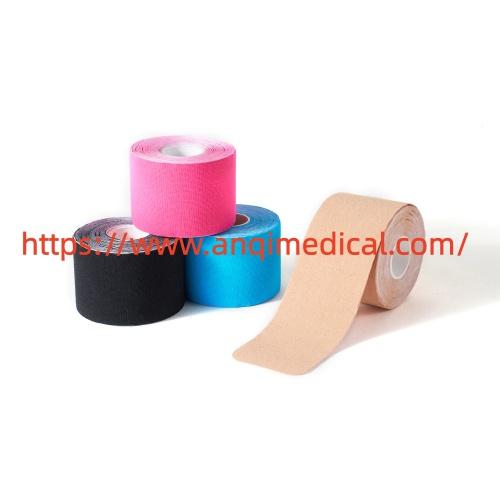
Sports Adhesive Tapes can play a practical role in athletic routines, but staying comfortable during active training depends on more than how well a product sticks. Material flexibility, adhesive characteristics, skin preparation, moisture, friction, application technique, and the type of movement involved can all influence the wearing experience. For athletes and buyers, looking at these details before use can make product selection more suitable for their individual routines.
One of the first considerations is the adhesive. A product needs enough adhesion for its intended application, but skin comfort should also remain part of the selection process. Different adhesive formulations can interact differently with individual skin types. People with sensitive skin may need to pay particular attention to the materials listed by the manufacturer and consider a small skin test before wider application. Recent guidance also highlights adhesive sensitivity as a common concern when using athletic taping products.
The condition of the skin before application can have a direct effect on both comfort and adhesion. Sweat, body oil, lotion, sunscreen, and dirt can create a barrier between the adhesive surface and the skin. Applying a product to clean and completely dry skin is therefore a useful preparation step. Guidance from sports taping resources also recommends avoiding application over open wounds, broken skin, or areas that are already irritated.
Moisture becomes especially relevant during active workouts. Running, cycling, gym sessions, court sports, and outdoor activities can all generate perspiration. If moisture builds up beneath a taped area, the skin may become more sensitive and the edges may begin to lift. This is one reason application should generally take place before heavy sweating begins rather than after a workout has already started.
Material flexibility is another factor worth examining. The body is constantly moving during exercise, and different areas experience different patterns of motion. The knee bends repeatedly, the shoulder rotates through a wide range, and the ankle handles movement in several directions. A flexible material can accommodate movement more naturally, while the appropriate construction still depends on the intended application and the users needs.
Surface texture can influence comfort as well. A material that feels smooth against the skin may be preferable for people who wear it during longer training sessions. Breathability can also matter when the product is used in warm environments. Buyers should therefore review the material composition and product specifications instead of judging comfort solely from appearance.
Application technique deserves equal attention. Uneven tension, wrinkles, poor anchoring, or gaps can affect how a strip sits against the skin. Proper placement should follow the manufacturers instructions or guidance from a qualified professional when the application involves a specific injury or medical concern. Research and clinical guidance indicate that taping techniques can vary considerably, so application method should be considered alongside the product itself.
The amount of movement involved in training should also influence purchasing decisions. A product used for light exercise may face different demands from one used during repeated jumping, lifting, running, or rapid changes in direction. Friction from clothing and repeated bending can place additional stress on edges and adhesive contact. Recent reviews have also noted that moisture and movement may influence adhesive performance and material integrity over time.
Removal is another part of comfort that is sometimes overlooked. Pulling an adhesive strip away quickly can place unnecessary stress on the skin. A slower removal process can be more comfortable, particularly when the product has been worn for an extended period. If itching, redness, burning, or other unusual skin reactions appear, the product should be removed and the skin should be monitored. Persistent or significant reactions may require advice from a healthcare professional.
For manufacturers, these everyday details provide useful direction when developing athletic taping products. Material selection, adhesive formulation, elasticity, surface texture, roll dimensions, packaging, and application instructions all contribute to the overall user experience. Consistent production standards can also help buyers compare specifications more easily when purchasing for personal use, sports teams, clinics, or distribution.
Anqimedical focuses on practical product development with attention to material characteristics, application requirements, and different usage environments. Buyers can compare specifications according to their preferred activities, skin considerations, expected movement, and application habits instead of relying on broad promotional statements.
Comfort is ultimately a combination of product design and correct use. Choosing an appropriate material, preparing the skin properly, applying the product according to instructions, and paying attention to moisture and friction can all contribute to a more comfortable training experience. No single product will suit every person or every activity, so realistic product information remains important when making a purchasing decision.
For buyers and distributors reviewing available solutions, the Anqimedical product range can be viewed at https://www.anqimedical.com/product/ Product specifications, materials, sizes, packaging, and intended applications can then be compared according to actual training requirements, helping customers make a more informed choice for their intended use.

 English
 Arabic
 Spanish
 Portuguese
 Deutsch
 Turkish
 Dutch
Dutch
 Italiano
 Russian
 Romaian
 Portuguese (Brazil)
 Greek
Greek