


Economic Growth: Meaning, Importance, Factors, and Impact on the Economy
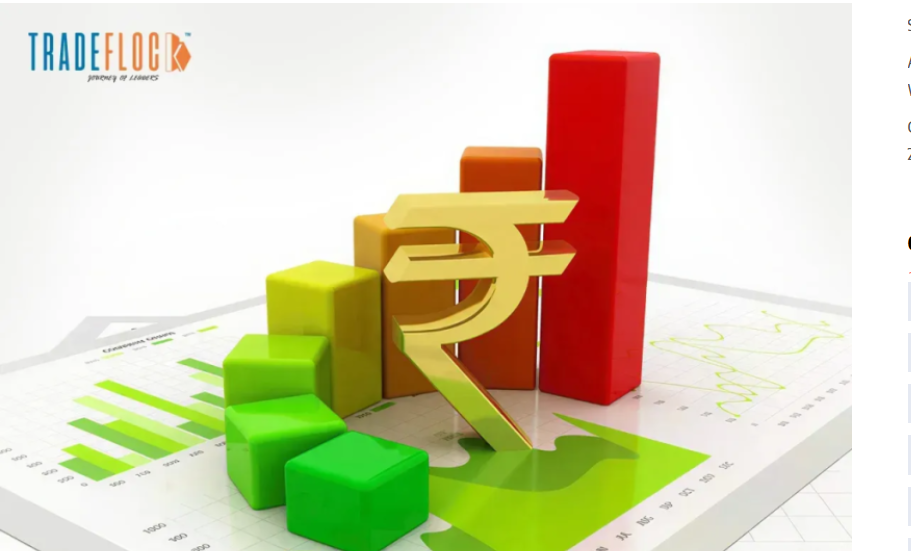
Economic growth is an important concept in economics that describes the increase in the production of goods and services within an economy over a period of time. It is commonly associated with improvements in business activity, employment opportunities, income levels, productivity, and living standards. Countries generally aim for steady economic growth because a growing economy can create more opportunities for individuals, businesses, and communities.
Understanding economic growth helps explain how economies develop, why some countries experience faster development than others, and how factors such as technology, investment, education, and infrastructure contribute to economic progress.
What Is Economic Growth?
Economic growth refers to an increase in the overall production of goods and services in an economy over time. It is generally measured by changes in a country's Gross Domestic Product (GDP). When the value of goods and services produced increases, the economy is considered to have grown.
For example, if businesses produce more products, service providers serve more customers, and overall economic activity increases, the country may experience economic growth. Economists often examine real GDP rather than nominal GDP because real GDP adjusts for changes in prices and provides a better indication of changes in actual production.
Economic growth can occur over the short term, but sustained growth over many years is particularly important for improving living standards.
Why Is Economic Growth Important?
Economic growth can influence many aspects of a country's economy and society. One of its major benefits is the potential to create employment opportunities. When businesses expand and demand for products and services increases, companies may need additional workers.
A growing economy can also contribute to higher incomes. As businesses become more productive and profitable, employees may have opportunities for better wages and career development. Increased income can lead to greater consumer spending, which can further support businesses and economic activity.
Another important benefit is improved public revenue. When economic activity increases, governments may collect more revenue through taxes. This revenue can potentially be used to support infrastructure, education, healthcare, transportation, and other public services.
Major Factors That Influence Economic Growth
Several factors can contribute to economic growth. These factors often work together rather than operating independently.
1. Investment
Investment in businesses, machinery, technology, infrastructure, and other productive assets can increase an economy's ability to produce goods and services. Businesses that invest in modern equipment may improve efficiency and increase output.
Government investment in roads, transportation systems, electricity, communication networks, and other infrastructure can also support economic activity.
2. Technology
Technological development is another major contributor to economic growth. New technologies can help businesses produce goods faster, reduce costs, improve quality, and introduce new products and services.
Digital technologies, automation, artificial intelligence, and improved communication systems have transformed many industries and can increase productivity when implemented effectively.
3. Education and Skills
A skilled workforce is important for a productive economy. Education and vocational training can help workers develop knowledge and skills that are valuable to businesses.
When people have access to quality education and training, they may be better prepared to work with new technologies, perform specialized jobs, and contribute to innovation.
4. Natural Resources
Natural resources such as minerals, agricultural land, forests, and energy resources can support economic activity. However, having natural resources alone does not guarantee strong economic growth. Effective management, investment, technology, and institutions are also important.
5. Entrepreneurship
Entrepreneurs contribute to economic growth by creating businesses, developing new ideas, and introducing products and services to the market. New businesses can generate employment and encourage competition.
A supportive environment for entrepreneurship can therefore contribute to innovation and economic development.
Economic Growth and Standard of Living
Economic growth can have a significant relationship with people's standard of living. When productivity and incomes increase, people may have greater access to goods, services, education, housing, and other necessities.
However, economic growth does not automatically mean that every individual benefits equally. The distribution of income, access to opportunities, inflation, employment conditions, and public services can all influence how the benefits of growth are experienced by different groups.
For this reason, policymakers often consider both economic growth and broader measures of development when evaluating economic progress.
Measuring Economic Growth
GDP is one of the most commonly used indicators for measuring economic growth. It represents the monetary value of final goods and services produced within an economy during a particular period.
Economists may compare real GDP across different years to determine whether an economy has expanded or contracted. GDP per capita is another useful measure because it relates economic output to population size. It can provide additional context when comparing economies of different sizes.
Still, GDP does not capture every aspect of people's well-being. Factors such as environmental quality, income distribution, health, education, and quality of life may require additional indicators.
Challenges Associated With Economic Growth
Although growth can provide many benefits, rapid or poorly managed growth can create challenges. Increased industrial activity may contribute to environmental pressure, pollution, and resource consumption. Fast economic expansion can also create inflationary pressures in certain circumstances.
Another challenge is ensuring that the benefits of growth are widely shared. Policymakers may need to focus on education, infrastructure, employment, and social programs to help more people participate in economic opportunities.
Sustainable growth therefore focuses not only on increasing production but also on maintaining economic stability and protecting resources for the future.
Conclusion
Economic growth plays an important role in the development of modern economies. It represents an increase in the production of goods and services and can support employment, income generation, business expansion, investment, and improvements in living standards.
Investment, technology, education, infrastructure, natural resources, and entrepreneurship can all contribute to economic growth. At the same time, growth needs to be managed carefully to address challenges such as inequality, inflation, and environmental sustainability.
By understanding the meaning, importance, measurement, and major drivers of economic growth, individuals and businesses can gain a clearer view of how economies develop and how economic activity influences everyday life.

 English
 Arabic
 Spanish
 Portuguese
 Deutsch
 Turkish
 Dutch
Dutch
 Italiano
 Russian
 Romaian
 Portuguese (Brazil)
 Greek
Greek