


Amylase Test Normal Range: How to Understand Your Results
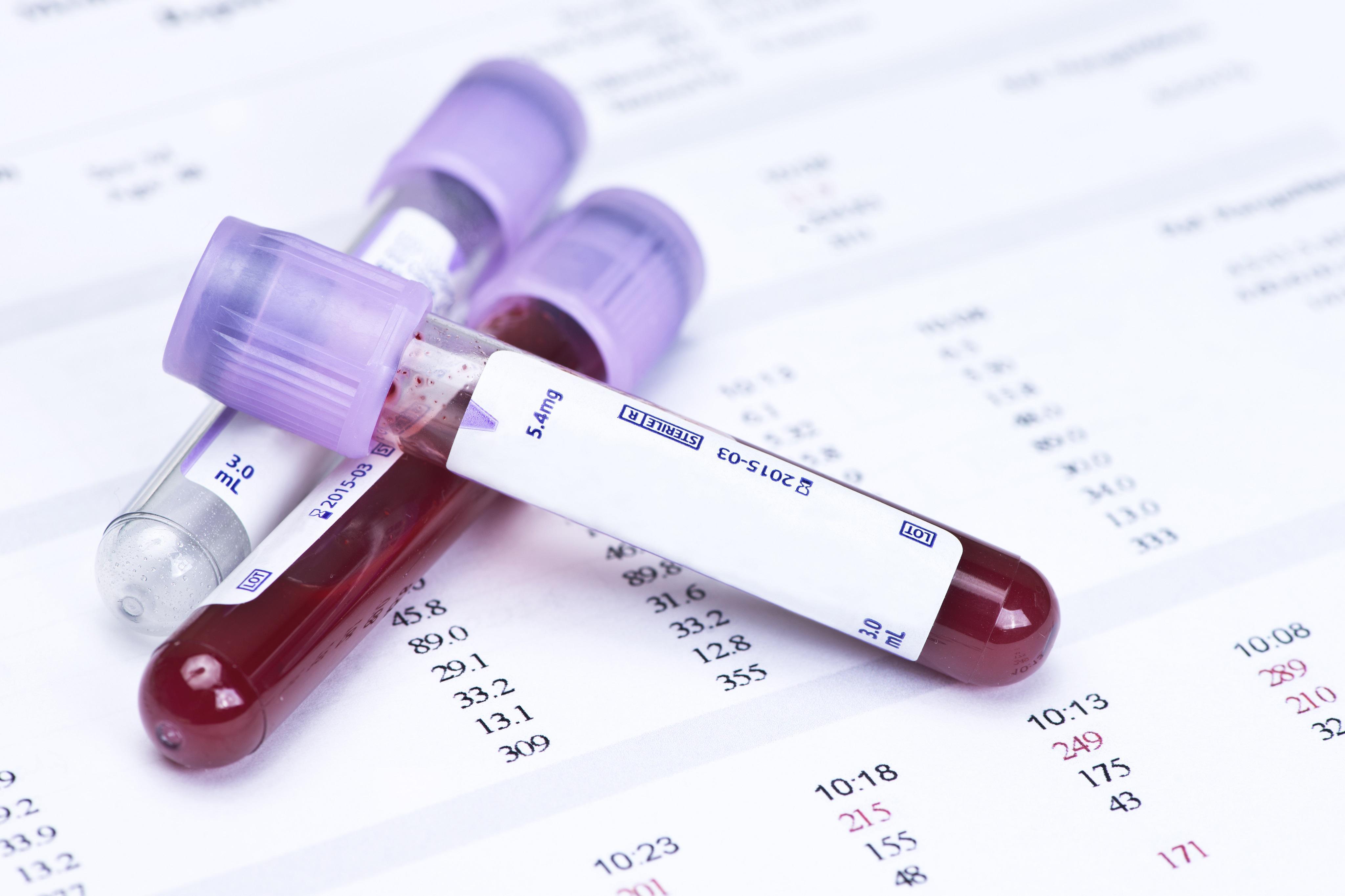
Receiving an amylase test result can be confusing if you are not familiar with laboratory reference ranges. You may see a number on your report followed by a range labeled “normal,” “reference interval,” or “expected range.” Understanding what that range means can help you discuss your results more confidently with a healthcare professional.
Amylase is a digestive enzyme produced mainly by the pancreas and salivary glands. Testing its level in the blood or urine can help healthcare professionals investigate certain pancreatic, digestive, and salivary gland conditions.
However, there is no single Amylase Test in Dubai normal range that applies to every person or laboratory. Results must be interpreted according to the reference interval provided on the individual laboratory report and the clinical circumstances surrounding the test.
What Is the Amylase Test Measuring?
Amylase helps the body digest carbohydrates. The pancreas produces pancreatic amylase and releases it into the digestive tract, while the salivary glands produce another portion of the body's amylase.
An amylase blood test, also called a serum amylase test, measures the amount of amylase circulating in the blood. Healthcare professionals may request this test when symptoms suggest a problem involving the pancreas or salivary glands.
Amylase can also be measured in urine. An amylase urine test may be used in specific circumstances to provide additional information about enzyme levels and elimination.
The test does not directly identify one particular disease. Instead, it provides information that can be considered alongside symptoms, medical history, physical examination, and other investigations.
Is There One Normal Amylase Range?
No. This is one of the most important things to know when reading your laboratory report.
Different laboratories may use different testing methods, equipment, and reference populations. Consequently, their amylase reference ranges may not be identical.
For this reason, you should not compare your result with a random “normal amylase level” found online and assume that it applies to your report.
The reference interval printed next to your result is the appropriate range to consider.
Even then, the range is only one part of the interpretation. A result outside the reference interval does not automatically indicate disease, and a result inside the range does not completely exclude a health problem.
Why Do Amylase Reference Ranges Differ?
Laboratory reference intervals are established using specific testing procedures and populations. Differences in analytical methods can produce different numerical results.
Other factors can also influence how laboratory results are interpreted, including:
-
Age
-
Medical history
-
Kidney function
-
Medications
-
Timing of testing
-
The reason the test was ordered
-
Other laboratory findings
Therefore, the same amylase number can have different significance depending on the individual and the laboratory performing the analysis.
How to Read Your Amylase Result?
When looking at an amylase report, focus on three basic pieces of information:
1. Your Amylase Value:
This is the numerical result produced by the laboratory.
2. The Unit of Measurement:
Laboratories may report amylase using specific units, and the unit should always be considered when comparing results.
3. The Laboratory Reference Range:
This is the interval the laboratory uses to indicate values generally expected within its reference population.
If your value falls within the listed range, it is generally considered within that laboratory's reference interval. If it is above or below the range, your healthcare professional will determine whether the difference is clinically meaningful.
What Does a Normal Amylase Level Mean?
A result within the laboratory's reference range generally means that the measured amylase concentration is within the expected interval for that test.
This can be reassuring, but it should not be interpreted as proof that the pancreas is completely healthy.
For example, some pancreatic conditions may not produce an elevated amylase level. The timing of testing and the type or stage of pancreatic disease can also influence enzyme measurements.
If you are experiencing persistent abdominal symptoms despite a normal amylase result, your healthcare professional may consider additional tests.
What Does a High Amylase Level Mean?
An elevated amylase result means the measured enzyme level is above the laboratory's reference range.
Acute pancreatitis is one well-known cause of high amylase. During pancreatic inflammation, pancreatic cells can release digestive enzymes into the bloodstream.
However, elevated amylase does not automatically mean that pancreatitis is present.
Other potential causes include pancreatic duct problems, salivary gland disorders, certain gastrointestinal conditions, kidney dysfunction, and other medical factors.
Doctors therefore consider high amylase together with symptoms and other diagnostic findings.
What Does a Low Amylase Level Mean?
A low amylase result can also occur, although it generally receives less attention than an elevated value.
Significantly reduced amylase may sometimes be associated with substantial chronic pancreatic damage because a damaged pancreas may produce fewer digestive enzymes.
Some other medical conditions can also be associated with lower amylase levels.
A low result does not automatically mean that the pancreas is damaged. The significance depends on how low the result is, whether it is persistent, and whether other symptoms or laboratory abnormalities are present.
Amylase and Pancreatitis: What Is the Connection?
Amylase testing is often associated with pancreatitis, which is inflammation of the pancreas.
In acute pancreatitis, blood amylase can rise as pancreatic tissue becomes inflamed. A significant enzyme elevation may support the diagnosis when characteristic symptoms are present.
However, diagnosing pancreatitis involves more than measuring amylase.
Healthcare professionals typically consider symptoms such as severe upper abdominal pain, nausea, and vomiting along with laboratory findings. Imaging may also be used when appropriate.
Lipase is another pancreatic enzyme and is generally considered more specific for acute pancreatitis. For this reason, a lipase test may be ordered alongside or instead of amylase.
Why Your Symptoms Matter When Reading the Result?
A laboratory number can have different meanings depending on the symptoms that led to testing.
For example, elevated amylase accompanied by sudden severe upper abdominal pain may increase concern about acute pancreatic inflammation.
In contrast, a mild elevation discovered during unrelated testing in someone without abdominal symptoms may have a different explanation.
Symptoms that may prompt pancreatic evaluation include:
-
Upper abdominal pain
-
Pain that extends toward the back
-
Nausea and vomiting
-
Abdominal tenderness
-
Fever
-
Loss of appetite
-
Digestive changes
These symptoms are not specific to pancreatic disease, but they provide important context for interpreting laboratory findings.
Does Amylase Need to Be Tested With Lipase?
Often, yes, particularly when pancreatitis is suspected.
Amylase and lipase are both digestive enzymes associated with pancreatic function. Lipase is generally more specific for pancreatic inflammation and can remain elevated for longer during many episodes of acute pancreatitis.
Comparing amylase and lipase levels can therefore give healthcare professionals additional information.
Other tests may also be needed depending on the suspected condition. These can include liver-related blood tests, glucose testing, inflammatory markers, and imaging studies.
Blood Amylase vs. Urine Amylase:
The type of amylase test can affect how the result is interpreted.
Serum Amylase:
A serum amylase test measures the enzyme in the bloodstream. It is commonly used when evaluating suspected acute pancreatic inflammation.
Urine Amylase:
An amylase urine test measures amylase eliminated through the kidneys. Depending on the purpose of testing, a single sample or timed collection may be required.
The two tests should not necessarily be interpreted using the same reference interval. Always use the range provided for the specific test performed.
Can Medications and Other Factors Affect Results?
Yes. Certain medications and health conditions can influence laboratory measurements.
Kidney function is particularly relevant because the kidneys help clear amylase from the bloodstream. Other medical conditions can also alter enzyme levels.
Preparation requirements may vary. Depending on the circumstances, a healthcare professional may recommend fasting or avoiding alcohol before the test.
If you are taking prescription or over-the-counter medicines, tell your healthcare professional. Do not stop prescribed medication simply because you are having an amylase test unless you are specifically instructed to do so.
What If Your Result Is Outside the Normal Range?
An abnormal result does not necessarily indicate a serious disease.
If amylase is high or low, your healthcare professional may review your symptoms, medical history, medications, and other laboratory findings. Additional testing may be recommended if the result needs clarification.
Possible follow-up investigations can include lipase testing, repeat blood work, urine testing, or imaging such as an ultrasound or CT scan.
The goal is to identify the reason behind the abnormal result rather than simply labeling the number as “high” or “low.”
When Should an Abnormal Result Be Taken Seriously?
An unexpected amylase result deserves medical attention when it occurs with significant or persistent symptoms.
Severe upper abdominal pain, repeated vomiting, fever, marked weakness, or pain extending toward the back should be medically assessed, particularly when symptoms are sudden or worsening.
These symptoms can have several causes, but some pancreatic and abdominal conditions require prompt evaluation.
Frequently Asked Questions About Amylase Normal Range:
What is a normal amylase level?
There is no universal normal value. The appropriate range is the reference interval printed on your laboratory report because ranges differ between laboratories and testing methods.
Is an amylase level of a certain number always normal?
Not necessarily. A number should be interpreted according to the laboratory's units and reference range rather than a universal cutoff found online.
Does a normal amylase mean my pancreas is healthy?
Not completely. A normal result can be reassuring but cannot exclude every pancreatic disorder.
What is a high amylase level a sign of?
High amylase may occur with acute pancreatitis and several other pancreatic, salivary gland, kidney, gastrointestinal, or medical conditions. Additional evaluation may be needed to determine the cause.
Is low amylase a problem?
Sometimes, particularly when the level is significantly reduced and accompanied by symptoms or other abnormal findings. However, an isolated low result does not automatically indicate pancreatic disease.
Final Takeaway:
The amylase Lab tests normal range is not one fixed number that applies to everyone. Reference intervals vary between laboratories, so the range shown on your own laboratory report is the most relevant starting point for understanding your result.
A normal amylase value generally falls within the laboratory's expected interval, while high or low results may require further interpretation. Elevated amylase can occur with acute pancreatitis but also with several other conditions, while low levels may sometimes be associated with significant chronic pancreatic damage.
For a meaningful interpretation, amylase should be considered alongside your symptoms, medical history, laboratory reference range, lipase results, and additional investigations when appropriate. If your result is outside the reported range, discussing it with a qualified healthcare professional is the safest way to understand what it may indicate.

 English
 Arabic
 French
 Portuguese
 Deutsch
 Turkish
 Dutch
Dutch
 Italiano
 Russian
 Romaian
 Portuguese (Brazil)
 Greek
Greek