


How PICC Devices Are Transforming Long-Term Patient Care
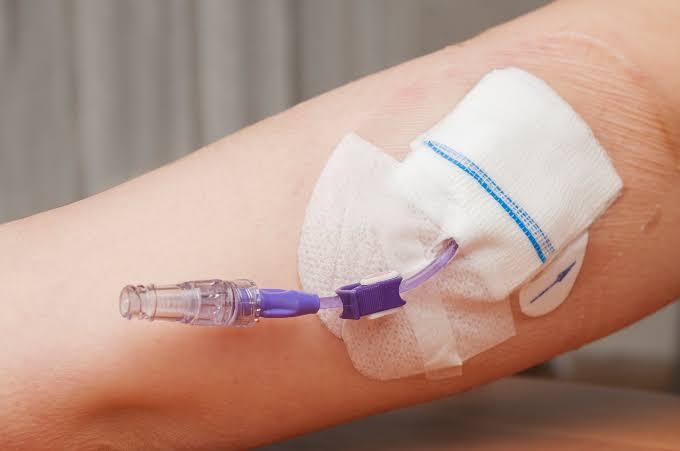
Peripherally inserted central catheter (PICC) devices have become an integral part of modern healthcare by providing reliable vascular access for patients who require prolonged intravenous therapy. These devices are commonly used for administering medications, chemotherapy, parenteral nutrition, and long-term antibiotic treatments. Their minimally invasive insertion procedure and ability to remain in place for extended periods make them a preferred choice across hospitals and specialty healthcare settings.
The growing demand for advanced vascular access solutions is encouraging healthcare providers to adopt technologies that improve patient comfort while supporting efficient treatment delivery. Recent developments in vascular access device innovations have also contributed to better infection control practices, enhanced catheter durability, and improved clinical outcomes for patients requiring long-term care.
Industry analysis published by MarkNtel Advisors highlights the evolving landscape of PICC devices, driven by continuous technological advancements and increasing emphasis on patient-centered treatment approaches. As healthcare systems continue to prioritize minimally invasive procedures and efficient intravenous therapy, manufacturers are focusing on developing products that improve safety, usability, and clinical performance.
Growing Need for Long-Term Intravenous Therapy
The prevalence of chronic diseases has significantly increased the demand for therapies that require prolonged intravenous access. Patients undergoing cancer treatment, severe infections, autoimmune disease management, or nutritional support often depend on reliable vascular access throughout their treatment journey. PICC devices reduce the need for repeated needle insertions while offering stable access for healthcare professionals to administer medications safely. This growing clinical requirement continues to support wider adoption across diverse healthcare environments. According to the U.S. Centers for Disease Control and Prevention (CDC), proper vascular access management plays a critical role in reducing healthcare-associated infections.
Technological Innovations Improving Patient Safety
Medical device manufacturers continue introducing innovations that improve both patient safety and clinical efficiency. Features such as antimicrobial catheter materials, enhanced tip positioning technologies, ultrasound-guided insertion techniques, and advanced securement systems help minimize complications associated with catheter placement. These innovations support better treatment experiences while reducing catheter-related risks, making PICC devices increasingly valuable in both inpatient and outpatient settings.
Expanding Role Beyond Hospitals
PICC devices are no longer limited to hospital intensive care units. Home healthcare services, ambulatory infusion centers, rehabilitation facilities, and specialty clinics are increasingly utilizing these devices to deliver long-term therapies outside traditional hospital environments. This shift supports greater patient convenience, shorter hospital stays, and improved healthcare resource utilization. As healthcare delivery models continue evolving, demand for flexible vascular access solutions is expected to remain strong.
Importance of Infection Prevention
Preventing catheter-related bloodstream infections remains one of the highest priorities in vascular access management. Healthcare organizations continue implementing standardized insertion protocols, regular catheter maintenance practices, and clinician training programs to improve patient outcomes. The adoption of evidence-based infection prevention strategies has strengthened confidence in PICC devices while supporting their safe use across multiple treatment settings. Guidance from the World Health Organization (WHO) emphasizes infection prevention as a cornerstone of quality healthcare delivery.
Future Outlook for PICC Device Development
Future innovation is expected to focus on improving catheter materials, simplifying insertion procedures, integrating digital monitoring technologies, and enhancing patient comfort. Manufacturers are also investing in research that supports personalized vascular access solutions based on individual patient needs. Artificial intelligence-assisted imaging, smart catheter technologies, and advanced biomaterials may further improve clinical outcomes while helping healthcare providers optimize treatment workflows.
Conclusion
Peripherally inserted central catheter devices continue to play an essential role in modern healthcare by supporting safe, efficient, and long-term intravenous therapy. As healthcare systems increasingly prioritize minimally invasive treatments, infection prevention, and improved patient experiences, the importance of reliable vascular access solutions will continue to grow. Ongoing innovation, clinical best practices, and expanding applications across multiple healthcare settings position PICC devices as a vital component of future patient care strategies.

 English
 Arabic
 French
 Spanish
 Portuguese
 Deutsch
 Turkish
 Dutch
Dutch
 Italiano
 Russian
 Romaian
 Portuguese (Brazil)