


Amylase Test After Symptoms: When Should You Get Tested?
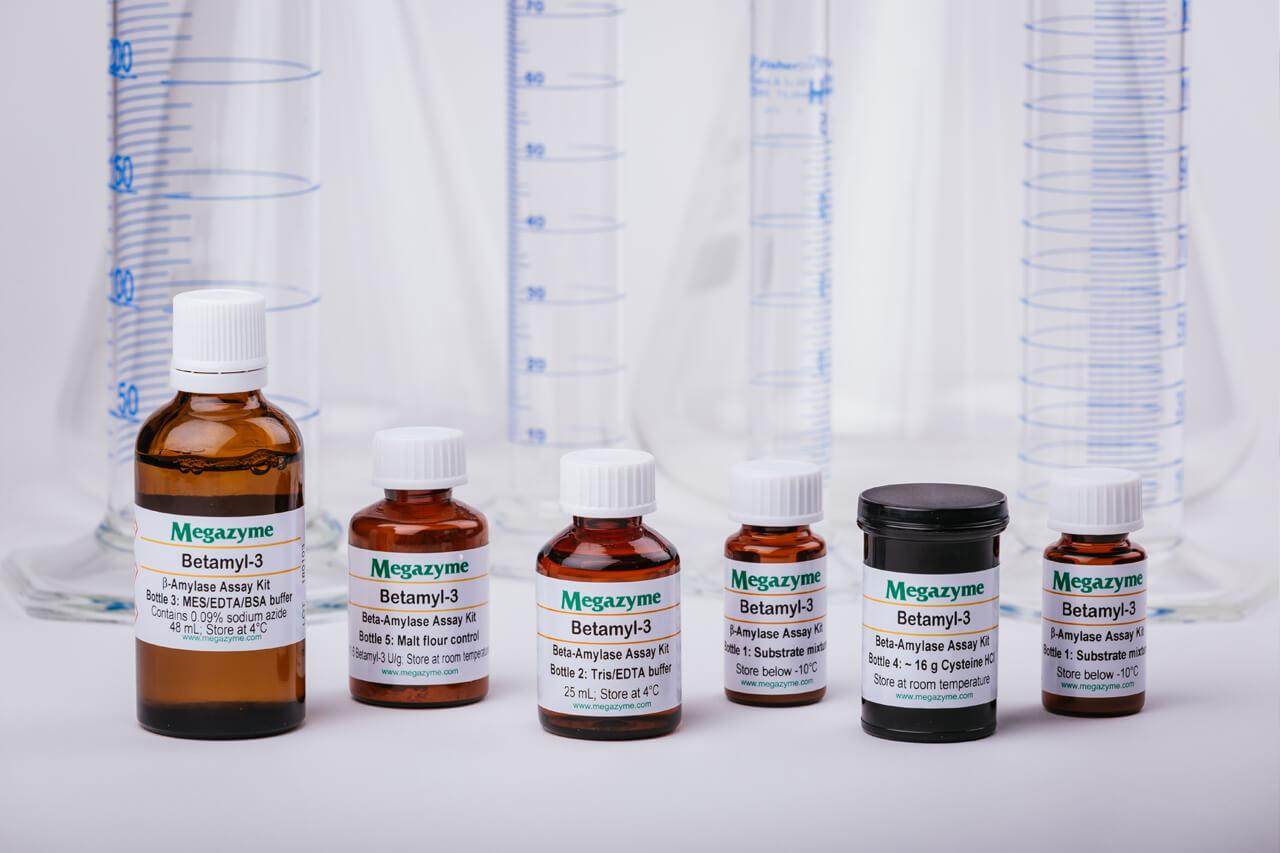
When symptoms such as upper abdominal pain, nausea, vomiting, or unexplained digestive discomfort appear, it is natural to wonder whether an Amylase Test in Dubai is needed. Amylase is a digestive enzyme produced mainly by the pancreas and salivary glands, and changes in its blood level can provide useful clues when certain medical conditions are being investigated.
However, not everyone with abdominal symptoms needs an amylase blood test. The decision depends on the type of symptoms, their severity, how long they have been present, and what a healthcare professional finds during an examination.
Understanding when amylase testing is useful can help you see why doctors may order it after certain symptoms appear and why the timing and clinical context matter.
Start With the Symptoms, Not the Test:
An amylase test is generally ordered because there is a specific clinical question to answer. It is not simply a routine test for every episode of stomach or abdominal discomfort.
A healthcare professional may consider testing when symptoms suggest possible involvement of the pancreas or salivary glands.
Symptoms that can make pancreatic enzyme testing more relevant include:
-
Persistent or significant upper abdominal pain
-
Pain that may spread toward the back
-
Nausea and vomiting
-
Abdominal tenderness
-
Fever
-
Loss of appetite
-
A rapid heartbeat accompanying significant illness
The presence of one symptom does not mean that pancreatitis or another pancreatic disorder is responsible. Abdominal symptoms have many possible causes, so testing decisions are based on the complete clinical picture.
When Should You Seek Medical Evaluation?
The first question is not necessarily when to get an amylase test, but when symptoms warrant medical attention.
Mild digestive discomfort that quickly improves may not require laboratory testing. In contrast, severe or persistent abdominal pain deserves professional assessment, especially if it is accompanied by repeated vomiting, fever, weakness, dehydration, or other concerning symptoms.
Severe upper abdominal pain that persists or radiates toward the back can occur with acute pancreatitis, which requires medical evaluation.
In these circumstances, a healthcare professional may decide that an amylase test, lipase test, or other investigations are appropriate.
Why Timing Matters After Symptoms Begin?
The relationship between symptoms and laboratory results is important.
Amylase levels can change during an episode of pancreatic inflammation, meaning that the result needs to be considered in relation to when symptoms started.
If testing occurs very early, very late, or after the condition has already changed, the enzyme level may not tell the same story as it would at another point in the illness.
This is one reason doctors do not interpret serum amylase in isolation. They consider the timing of the symptoms, the patient's current condition, other laboratory findings, and imaging when appropriate.
There is no universal rule that everyone should wait a particular number of hours after symptoms begin before seeking care or testing. If symptoms are severe, medical assessment should not be delayed simply to obtain a laboratory test at a particular time.
What Happens During an Amylase Blood Test?
If an amylase blood test is ordered, the procedure is usually straightforward.
A healthcare professional collects a small blood sample from a vein, generally in the arm. The sample is sent to a laboratory where the amount of amylase is measured.
Blood collection itself usually takes only a few minutes. Laboratory turnaround time varies depending on the facility and whether the test is being processed urgently or alongside other investigations.
Some patients may also have an amylase urine test, which measures amylase excreted through the kidneys. A urine sample may be collected once or over a specified period, depending on the reason for testing.
Does Everyone Need to Fast Before Testing?
Not necessarily.
Preparation requirements depend on the laboratory, the reason for testing, and whether other blood tests are being performed at the same time.
Some healthcare professionals may recommend fasting in particular circumstances, while other amylase testing can be performed without special preparation.
Alcohol consumption and certain medications may affect laboratory results in some situations. Always follow the instructions provided by your healthcare professional or testing laboratory.
Do not stop prescribed medication simply because you are having an amylase test unless your healthcare professional specifically tells you to do so.
What Does the Test Look For?
Amylase helps break down carbohydrates as part of digestion. The pancreas releases amylase into the digestive tract, while the salivary glands produce amylase in saliva.
When pancreatic cells become inflamed or injured, blood amylase may rise. This makes an amylase blood test potentially useful when evaluating suspected pancreatic inflammation.
However, increased amylase is not unique to pancreatitis.
Salivary gland disorders and several other medical conditions can also affect the result. Therefore, the test provides a clue rather than a complete diagnosis.
When Is High Amylase More Concerning?
An elevated amylase result becomes more meaningful when it fits the symptoms and examination findings.
For suspected acute pancreatitis, doctors generally consider a combination of characteristic abdominal pain, significant pancreatic enzyme elevation, and imaging findings when appropriate. A commonly used diagnostic framework requires at least two of three findings: typical abdominal pain, amylase or lipase at least three times the laboratory's upper reference limit, or characteristic imaging findings.
This illustrates why a high amylase level alone is not enough.
A mildly elevated result in a person without symptoms of pancreatic disease may have a different significance from a substantial elevation accompanied by severe upper abdominal pain and vomiting.
What If Your Amylase Is Normal?
A normal amylase result does not automatically explain away your symptoms.
Some conditions do not cause a significant change in amylase, and the enzyme level can also depend on the timing of testing.
If abdominal pain continues despite a normal result, a healthcare professional may investigate other potential causes or order additional tests.
Depending on the symptoms, evaluation might include a lipase test, liver function tests, kidney tests, blood glucose measurement, inflammatory markers, or imaging.
The correct next step depends on the suspected condition.
Why Doctors Often Check Lipase Too?
If pancreatic disease is being considered, a lipase test may be ordered along with or instead of amylase.
Lipase is another pancreatic digestive enzyme and is generally considered more specific for acute pancreatitis. It also tends to remain elevated for longer than amylase during an episode of pancreatic inflammation.
For this reason, many healthcare professionals place greater emphasis on lipase when evaluating suspected acute pancreatitis.
Still, the choice of tests depends on the individual clinical situation.
What Can Cause Elevated Amylase Other Than Pancreatitis?
One of the most important limitations of amylase testing is its lack of complete specificity.
High amylase can occur with certain salivary gland conditions, pancreatic duct problems, some gastrointestinal disorders, and reduced kidney clearance. Other medical conditions and medications can also influence laboratory results.
This means that an elevated result does not automatically indicate that the pancreas is inflamed.
The source of the elevation has to be considered in relation to symptoms and other findings.
Could Low Amylase Be Significant?
Low amylase levels are generally less commonly discussed in acute symptom evaluation.
Reduced levels can occur in certain situations, including some forms of significant chronic pancreatic damage. However, a low result by itself does not prove chronic pancreatitis or pancreatic insufficiency.
If a low amylase result is unexpected, a healthcare professional can determine whether it has significance based on your symptoms, medical history, and other laboratory results.
How Long Should You Wait Before Getting Tested?
There is no single waiting period that applies to every person.
If symptoms are mild and resolve quickly, an amylase test may not be necessary at all. If symptoms are persistent or concerning, the appropriate action is to seek medical advice rather than waiting for a specific testing window.
When pancreatitis is suspected, the healthcare professional may order amylase and lipase during the initial evaluation. The timing of the blood sample can then be considered when interpreting the result.
This approach is more useful than trying to calculate an ideal testing time independently.
What Happens If the Result Is Abnormal?
An abnormal amylase result usually leads to another question: What does it mean in this particular patient?
Your healthcare professional may review the laboratory reference range, symptom history, physical examination, medications, and other blood tests.
If pancreatic disease remains a concern, imaging may be recommended. If symptoms suggest a salivary gland problem, the evaluation may focus on the mouth, jaw, and glands.
The important point is that an abnormal amylase result does not automatically mean that something is seriously wrong, nor does it identify the cause without additional information.
A Simple Symptom-to-Test Decision Guide:
You can think about amylase testing in three broad stages.
Mild and short-lived symptoms: If discomfort quickly improves and there are no concerning features, laboratory testing may not be necessary.
Persistent or unexplained symptoms: If abdominal pain continues, recurs, or is associated with nausea, vomiting, or tenderness, medical evaluation can determine whether amylase or other tests are appropriate.
Severe or concerning symptoms: Significant persistent abdominal pain, repeated vomiting, fever, marked weakness, or pain radiating toward the back warrants prompt medical assessment. Testing may be part of that evaluation.
This approach keeps the focus where it belongs: on the patient's condition rather than on one laboratory value.
Understanding Your Amylase Reference Range:
When you receive laboratory results, look at the reference interval printed on your report.
Amylase reference ranges vary between laboratories because testing methods and reference populations can differ. A number that is considered normal at one laboratory may not be directly comparable with a result from another facility.
Rather than comparing your number with an internet reference range, discuss the result using the range supplied by the laboratory that performed the test.
Frequently Asked Questions:
Should I get an amylase test whenever I have stomach pain?
No. Many common causes of abdominal discomfort do not involve abnormal amylase levels. Testing is more appropriate when symptoms or examination findings raise concern about pancreatic or salivary gland disease.
Can I wait several days before getting tested?
If symptoms are severe or persistent, you should not delay medical evaluation simply to wait for a preferred testing time. A healthcare professional can decide when testing is appropriate.
Does high amylase confirm pancreatitis?
No. Diagnosis usually requires a combination of characteristic symptoms, enzyme elevation, and/or imaging findings. Other conditions can also increase amylase.
Is lipase more useful than amylase?
Lipase is generally more specific for acute pancreatitis and is often preferred when pancreatic inflammation is suspected. Doctors may still order amylase depending on the circumstances.
Can a normal amylase result rule out every cause of abdominal pain?
No. Many abdominal conditions do not affect amylase. A normal result cannot rule out other digestive, gallbladder, intestinal, urinary, or abdominal conditions.
Final Takeaway:
The right time to have an amylase Lab tests after symptoms depends less on a fixed number of hours or days and more on the nature of the symptoms and the medical question being investigated.
Persistent or severe upper abdominal pain, particularly when accompanied by nausea, vomiting, fever, or pain extending toward the back, may prompt a healthcare professional to evaluate the pancreas with amylase, lipase, and other tests.
An amylase result should never be interpreted as a diagnosis by itself. The timing of testing, laboratory reference range, symptoms, medical history, physical examination, and other investigations all contribute to the final assessment.
If abdominal symptoms are concerning or do not improve, seeking professional medical advice is more important than trying to determine the perfect time for an enzyme test on your own.

 English
 Arabic
 French
 Spanish
 Portuguese
 Deutsch
 Turkish
 Dutch
Dutch
 Russian
 Romaian
 Portuguese (Brazil)
 Greek
Greek