


What Should Buyers Check Before Choosing Changhengsaws Composite Material Cutting Blades
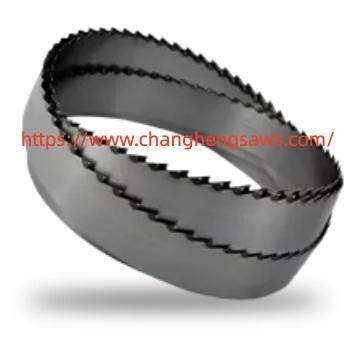
Composite Material Cutting Blades are an important consideration when manufacturers process carbon fiber, fiberglass, aramid, laminate panels, and other reinforced materials. These workpieces combine different structures, which means the tool must be selected according to the way fibers, resin, thickness, and surface layers respond during processing. A purchasing decision based only on diameter or price can overlook details that influence edge condition, service interval, and production consistency.
The material itself should be the starting point. Carbon fiber and fiberglass can create significant abrasive action during machining, while different resin systems may respond differently to heat and friction. Aramid can also behave differently because its fibers tend to resist clean separation. Buyers should therefore provide the supplier with clear information about the material grade, reinforcement type, layer structure, thickness, and whether the workpiece is cured or uncured.
Thickness is another practical factor. A thin panel may require a different edge arrangement from a dense laminate or a thicker structural component. The cutting path also matters. Straight trimming, contour work, panel sizing, and repeated production runs can place different demands on the tool. Buyers should explain the actual application instead of choosing a general specification based only on appearance.
Tooth geometry deserves close attention as well. The number, spacing, angle, and shape of the teeth influence how fibers are engaged and released. An unsuitable configuration may create fraying, fiber pullout, rough edges, or excess heat. Buyers should discuss the required finish with the manufacturer and provide samples or technical drawings whenever possible. This information gives the supplier a clearer understanding of the cutting conditions.
Machine compatibility should also be checked before an order is confirmed. Diameter, bore size, thickness, rotation direction, spindle speed, feed rate, and available power all need to work together. Even a suitable tool may produce inconsistent results when the machine settings do not match the application. Buyers can provide machine model information, operating speed, feed conditions, and expected daily workload so the supplier can recommend a practical configuration.
Heat management is another point that should not be overlooked. Many reinforced materials do not transfer heat in the same way as metals, and excessive heat can affect resin behavior or accelerate tool wear. Proper operating parameters, suitable extraction, and appropriate cooling methods can help maintain a stable process. The cutting environment should therefore be considered alongside the blade specification rather than treated as a separate issue.
Tool condition should be included in the purchasing discussion. A cutting edge gradually changes as abrasive fibers wear the working area. This can influence cutting forces, edge appearance, and processing stability. Buyers can ask about inspection methods, maintenance requirements, sharpening options, and replacement intervals. Having this information in advance makes it easier to estimate operating costs and arrange maintenance without unnecessary interruptions.
Production volume also affects the purchasing decision. A workshop processing several panels each week may have different requirements from a factory running continuous production. Frequent production places greater attention on service life, consistency, and replacement planning. For occasional work, flexibility and compatibility with several materials may have greater practical value. Matching the tool to the actual workload can help avoid paying for specifications that are not needed.
Cutting direction is worth discussing when working with layered materials. The orientation of reinforcement fibers can influence the way the material separates during processing. Changes in feed direction, workpiece support, or cutting path may affect edge appearance. A manufacturer can use these details to help assess the appropriate configuration and suggest operating conditions for testing.
A controlled trial before regular production can also be useful. Instead of evaluating a tool only by its appearance or initial sharpness, buyers can observe edge condition, cutting speed, heat generation, dust behavior, and wear after a defined production cycle. Recording these results provides a practical basis for comparing different specifications and making future purchasing decisions.
Changhengsaws provides cutting solutions for manufacturers working with different industrial materials and production requirements. Discussing the material structure, thickness, machine setup, cutting method, and expected workload before ordering can help create a specification that fits the actual application. Clear communication at this stage can also reduce the need for changes after production has already started.
When planning a new composite processing project, buyers can prepare information about the workpiece, machine, cutting method, required edge condition, and expected production volume. These details give manufacturers a useful technical foundation for product selection and testing. To review available cutting solutions and discuss your application requirements, visit https://www.changhengsaws.com/

 English
 Arabic
 French
 Spanish
 Portuguese
 Deutsch
 Turkish
 Dutch
Dutch
 Italiano
 Romaian
 Portuguese (Brazil)
 Greek
Greek