


Thyroid Antibodies Test for Hyperthyroidism: What Can It Reveal?
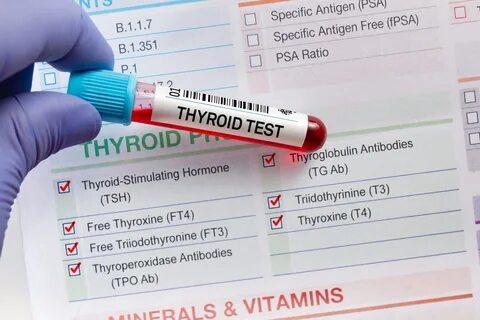
Hypothyroidism means the thyroid gland is not producing enough thyroid hormone for the body's needs. But finding out that thyroid function is low is only part of the evaluation. In many cases, the next question is: what caused the hypothyroidism?
A Thyroid Antibodies Test in Dubai can help answer that question when an autoimmune thyroid disorder is suspected. The most common cause of autoimmune hypothyroidism is Hashimoto's thyroiditis, a condition in which the immune system mistakenly targets thyroid tissue.
However, thyroid antibody testing is not necessary for everyone with an elevated TSH or low thyroid hormone levels. Its usefulness depends on the clinical situation and what your healthcare professional is trying to determine.
First, What Confirms Hypothyroidism?
Before considering thyroid antibodies, doctors usually establish whether thyroid function is actually abnormal.
The primary blood test is thyroid-stimulating hormone (TSH). TSH is produced by the pituitary gland and signals the thyroid to make hormones.
When the thyroid cannot produce enough hormone, the pituitary may increase TSH production in an attempt to stimulate it.
Doctors may also measure free T4, which represents the available thyroxine circulating in the blood.
A typical pattern of overt primary hypothyroidism is:
-
Elevated TSH
-
Low free T4
Another pattern, called subclinical hypothyroidism, may involve:
-
Elevated TSH
-
Normal free T4
These patterns provide information about thyroid function, but they do not always identify the underlying cause.
That is where thyroid antibody testing may become useful.
The Main Reason to Test: Finding an Autoimmune Cause
A thyroid antibodies test does not directly measure how much thyroid hormone the gland produces. Instead, it looks for evidence that the immune system is reacting against thyroid-related proteins.
In hypothyroidism, the most relevant antibodies are thyroid peroxidase antibodies, commonly called TPO antibodies or anti-TPO, and thyroglobulin antibodies, known as TgAb.
TPO antibodies are particularly associated with Hashimoto's thyroiditis.
If someone has an abnormal thyroid function test and positive TPO antibodies, the combination can support an autoimmune explanation for the thyroid dysfunction.
This distinction can be clinically useful because hypothyroidism can have causes other than autoimmune thyroid disease.
When TPO Antibody Testing Can Add Useful Information?
1. When TSH Is Elevated but the Cause Is Unclear
An elevated TSH tells a doctor that the thyroid regulatory system may be responding to inadequate thyroid hormone production, but it does not identify the cause.
TPO antibody testing can provide additional evidence of autoimmune thyroiditis.
For example, a person with persistently elevated TSH, compatible symptoms, and positive TPO antibodies may have findings consistent with Hashimoto's thyroiditis.
The antibody result adds information about why thyroid function may be changing.
2. When Hypothyroidism Is Mild
Antibody testing can sometimes be especially informative when thyroid dysfunction is relatively mild.
Someone may have a modestly elevated TSH while free T4 remains within the laboratory's reference range. This is commonly described as subclinical hypothyroidism.
In this situation, knowing whether TPO antibodies are present can contribute to the overall assessment and may help estimate the likelihood of persistent thyroid dysfunction.
The antibody result is still only one factor. Age, symptoms, pregnancy status, TSH level, medical history, and other considerations may influence management.
3. When Hashimoto's Thyroiditis Is Suspected:
Hashimoto's thyroiditis is an autoimmune condition that can gradually impair thyroid hormone production.
TPO antibodies are frequently found in people with Hashimoto's, while TgAb may also be present.
A positive antibody test can support the diagnosis when it fits the broader clinical picture.
It is important to understand that antibodies can sometimes be detected before obvious thyroid hormone abnormalities develop. Therefore, positive antibodies do not necessarily mean a person currently has overt hypothyroidism.
What Does a Positive TPO Antibody Result Mean?
A positive TPO antibody result means the laboratory has detected TPO antibodies according to its testing method and reporting threshold.
In someone with hypothyroidism, this finding can support an autoimmune cause such as Hashimoto's thyroiditis.
But a positive result does not automatically tell you:
-
How severe the hypothyroidism is
-
How much thyroid tissue has been affected
-
Whether symptoms are caused by the thyroid
-
Whether treatment is immediately necessary
-
How quickly thyroid function will change
TPO antibodies can also be present in some people whose thyroid function is currently normal.
Therefore, the result needs to be interpreted alongside TSH and free T4 rather than treated as an independent diagnosis.
What If TPO Antibodies Are Negative?
A negative TPO antibody result means that the test did not detect the antibody above the laboratory's threshold.
This can make autoimmune thyroiditis less likely, but it does not rule out every case of Hashimoto's thyroiditis or every cause of hypothyroidism.
Some people with autoimmune thyroid disease do not have detectable levels of a particular antibody. Testing methods can also differ.
If TSH remains abnormal, a doctor can consider other causes of hypothyroidism and determine whether additional evaluation is appropriate.
A negative thyroid antibody test therefore does not mean that the thyroid is functioning normally.
Where Do Thyroglobulin Antibodies Fit In?
Thyroglobulin antibodies are another type of thyroid antibody associated with autoimmune thyroid disease.
Thyroglobulin is a protein produced by thyroid cells and involved in thyroid hormone production and storage. The immune system can produce antibodies that target this protein.
TgAb may be present in Hashimoto's thyroiditis, but TPO antibodies are generally more commonly used when evaluating suspected autoimmune hypothyroidism.
Whether TgAb testing is needed depends on the clinical question and the testing strategy used by the healthcare professional.
When Is a Thyroid Antibodies Test Less Useful?
Thyroid antibody testing has a specific purpose, so it is not always necessary simply because TSH is abnormal.
If a person already has a well-established diagnosis of Hashimoto's thyroiditis, repeatedly checking TPO antibody levels usually does not provide useful information about day-to-day thyroid function.
For ongoing thyroid hormone management, TSH and free T4 are generally more useful than tracking antibody levels.
Similarly, antibody concentrations should not be treated as a direct measure of treatment success.
A person may continue to have detectable thyroid antibodies even when thyroid hormone levels are well controlled with treatment.
Can Thyroid Antibodies Predict Future Hypothyroidism?
In some circumstances, the presence of thyroid antibodies can indicate an increased likelihood of developing thyroid dysfunction in the future.
This is particularly relevant when TPO antibodies are present but TSH and free T4 are currently within their expected ranges.
However, antibody positivity does not guarantee that hypothyroidism will develop.
The risk depends on the individual's overall clinical situation, and healthcare professionals may recommend periodic thyroid function monitoring when appropriate.
This is one reason an antibody result should be viewed as a risk and cause marker, rather than a prediction with certainty.
How TPO Antibodies Relate to Symptoms?
Hypothyroidism can cause symptoms such as:
-
Fatigue
-
Feeling unusually cold
-
Constipation
-
Dry skin
-
Hair thinning
-
Difficulty concentrating
-
Changes in menstrual cycles
-
Unexplained weight changes
-
Muscle aches or weakness
However, these symptoms are not specific to hypothyroidism.
A person can have positive thyroid antibodies without having symptoms, while someone with similar symptoms may have normal thyroid function.
For that reason, symptoms can raise suspicion, but blood tests are needed to evaluate thyroid function.
Does a Positive Antibody Test Mean You Need Thyroid Medicine?
Not by itself.
Treatment decisions are based primarily on thyroid function and the person's broader clinical circumstances, rather than the antibody result alone.
For confirmed hypothyroidism, thyroid hormone replacement may be appropriate. But someone with positive TPO antibodies and normal thyroid hormone levels may not need thyroid medication.
In mild or subclinical hypothyroidism, the decision to treat can depend on factors such as TSH level, symptoms, pregnancy or plans for pregnancy, age, cardiovascular considerations, and other medical factors.
A healthcare professional should make the treatment decision using the complete clinical picture.
What About Pregnancy and TPO Antibodies?
Thyroid function deserves particular attention during pregnancy because adequate thyroid hormone is important for both the pregnant person and developing baby.
TPO antibody status may be considered when evaluating thyroid function during pregnancy or when planning pregnancy, depending on the clinical circumstances.
Pregnancy changes thyroid physiology, and thyroid test interpretation can differ from that of nonpregnant adults. Anyone who is pregnant, planning pregnancy, or receiving thyroid treatment should discuss appropriate thyroid monitoring with their healthcare professional.
Should TPO Antibodies Be Retested?
Usually, repeatedly measuring TPO antibodies is not necessary for routine monitoring of established hypothyroidism.
The antibody level does not provide a straightforward measure of whether thyroid hormone replacement is working.
Instead, healthcare professionals generally monitor thyroid function with appropriate tests such as TSH and, when indicated, free T4.
Repeat antibody testing may sometimes be considered for a specific clinical reason, but it should not be assumed that more frequent testing provides better disease monitoring.
A Simple Way to Understand the Testing Process:
It can help to think of hypothyroidism testing as three separate questions.
Question one: Is thyroid function abnormal?
TSH and free T4 help answer this.
Question two: Could the cause be autoimmune?
TPO antibodies and, in selected cases, TgAb can provide evidence.
Question three: What should happen next?
The answer depends on thyroid hormone levels, symptoms, medical history, pregnancy status, and other clinical factors.
This approach prevents one antibody result from being given more importance than it deserves.
Frequently Asked Questions:
Is the thyroid antibodies test required to diagnose hypothyroidism?
No. Hypothyroidism is primarily evaluated through thyroid function tests such as TSH and free T4. Antibody testing can help determine whether an autoimmune condition is the likely cause.
Which thyroid antibody is most useful for Hashimoto's?
TPO antibodies are strongly associated with Hashimoto's thyroiditis and are commonly used when autoimmune hypothyroidism is suspected.
Can you have Hashimoto's with normal thyroid levels?
Yes. Autoimmune thyroid activity can exist before overt thyroid dysfunction develops.
Can TPO antibodies go away?
Antibody levels can change over time, but the presence or absence of antibodies is not generally used as the main measure of thyroid treatment response.
Is a high TPO antibody level dangerous?
A high result does not by itself indicate how severe a person's thyroid dysfunction is. Its meaning depends on thyroid function tests and the broader clinical picture.
Final Takeaway:
A thyroid antibodies Lab tests for hypothyroidism is most useful when a healthcare professional wants to determine whether an autoimmune process may be responsible for abnormal thyroid function.
TPO antibodies are particularly important when Hashimoto's thyroiditis is suspected, while TgAb can provide additional evidence of thyroid autoimmunity in selected cases.
The key is to separate the questions of thyroid function and thyroid cause. TSH and free T4 show how the thyroid system is functioning, while thyroid antibodies can provide clues about why that function may be abnormal.
A positive antibody result does not automatically mean that treatment is required, and a negative result does not completely exclude autoimmune thyroid disease. If your thyroid tests are abnormal, discuss the complete results with a qualified healthcare professional so they can be interpreted in the context of your symptoms, medical history, and individual circumstances.

 English
 Arabic
 Spanish
 Portuguese
 Deutsch
 Turkish
 Dutch
Dutch
 Italiano
 Russian
 Romaian
 Portuguese (Brazil)
 Greek
Greek