


How Environmental Consulting Firms Help Reduce Project Risks
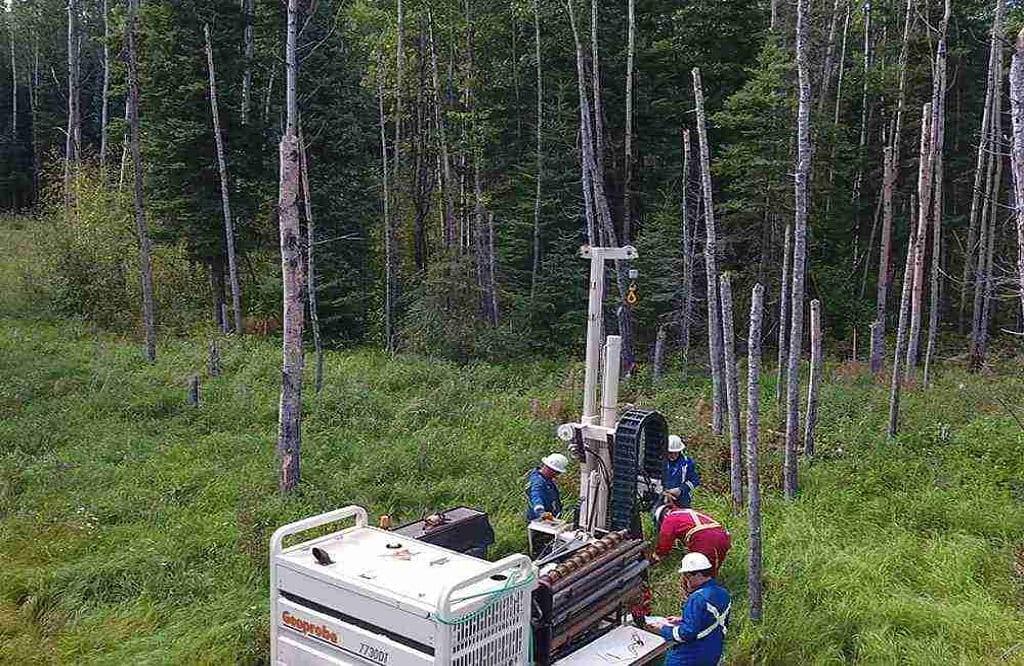
Environmental considerations can influence the cost, schedule, design, and feasibility of property development projects. Conditions such as contaminated soil, sensitive habitats, wetlands, watercourses, or previous industrial uses may create challenges if they are discovered after planning is already underway. Environmental consulting firms help project teams understand these conditions before they become unexpected obstacles. Their work can involve site assessments, environmental investigations, regulatory reviews, and technical advice tailored to the property and proposed activity. By identifying potential concerns early, environmental consultants can provide information that supports more informed decisions throughout the development process.
Identifying Environmental Conditions Early
One of the most effective ways to reduce project uncertainty is to understand existing environmental conditions before major decisions are made. Environmental consulting firms may investigate soil, groundwater, vegetation, wildlife habitat, drainage features, or historical land uses depending on the property's characteristics. A common challenge is discovering an environmental concern only after construction planning has progressed. Early investigation can reveal conditions that may require further assessment, remediation, protection measures, or changes to the proposed site plan. This gives project teams more time to consider practical responses before those issues affect later stages.
Supporting Better Project Planning
Environmental information can influence how a property is designed and developed. For example, a wetland, watercourse, contaminated area, or sensitive habitat may affect the location of buildings, roads, drainage systems, or other improvements. Environmental consulting firms can provide technical information that allows architects, engineers, planners, and developers to consider these factors alongside other site constraints. In many situations, incorporating environmental findings early is more practical than redesigning a project after plans have been substantially completed. Better information can therefore contribute to more realistic project planning and reduce avoidable changes.
Navigating Regulatory Requirements
Development projects may be subject to environmental regulations and approval requirements depending on their location, scale, and potential impacts. Understanding these requirements can be challenging when several authorities or technical considerations are involved. Environmental consulting firms can assess applicable requirements and help project teams understand which environmental studies or documentation may be relevant. This does not replace regulatory decisions, but it can help ensure that environmental considerations are recognised during planning. Early attention to compliance requirements can also reduce the risk of unexpected delays when applications or project reviews are underway.
Managing Potential Environmental Liabilities
Environmental issues can create financial and legal concerns when they are not identified before a property transaction or development project proceeds. Previous industrial or commercial uses, for example, may leave contamination that requires investigation or remediation. A property owner or developer may also need to understand whether proposed activities could affect neighbouring land or natural resources. Environmental consulting firms can provide assessments and technical findings that help stakeholders understand potential liabilities. Having this information early allows project teams to evaluate risks more carefully and consider appropriate measures before committing significant resources.
Improving Long Term Project Outcomes
Environmental risk management is not limited to obtaining approvals or avoiding immediate construction problems. Environmental conditions can influence how a property performs and is managed over many years. Early assessment can support decisions that protect natural features, reduce the likelihood of future environmental problems, and align development with the site's characteristics. Environmental consulting firms can contribute information that remains relevant through design, construction, remediation, and ongoing property management. By incorporating environmental considerations into decisions from the beginning, project teams can reduce uncertainty and create a stronger foundation for responsible and sustainable development.
For More Information About Land Survey Companies Regina and Land Surveying Saskatoon Please Visit: Connexa Group.

 English
 Arabic
 Spanish
 Portuguese
 Deutsch
 Turkish
 Dutch
Dutch
 Italiano
 Russian
 Romaian
 Portuguese (Brazil)
 Greek
Greek