


LiFePO4 Battery Price in Pakistan: What's Driving the Surge?
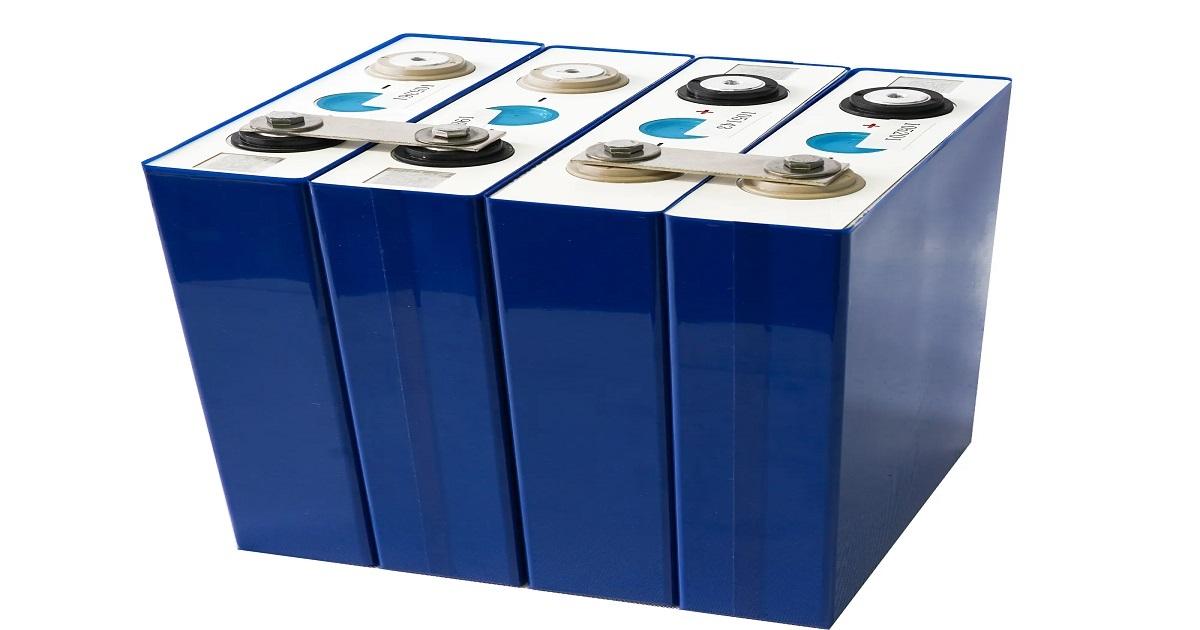
Load-shedding schedules, unpredictable grid tariffs, and a national love affair with solar have made one question unavoidable for homeowners and businesses alike: why does the LiFePO4 battery price in Pakistan keep climbing instead of settling down? If you priced a lithium battery a year ago and are shopping again now, don't be surprised if the numbers look noticeably higher. This isn't a random price hike or a dealer markup — it's the result of real shifts happening in global raw material markets, currency pressure, and rising local demand.
At Alpine Industrial Con, we talk to solar and backup LiFePO4 Battery Price in Pakistan every day who are confused by this jump. So let's break down exactly what's pushing costs up, what a fair price actually looks like right now, and how you can still make a smart investment without overpaying.
Why Lithium Iron Phosphate Battery Costs Are Climbing
To understand today's rates, you have to look upstream — at the raw materials and manufacturing forces that shape what you eventually pay at the counter.
Global Lithium Carbonate Prices Rebounded Sharply
For a couple of years, battery-grade lithium carbonate prices fell steadily, which is exactly why lithium battery costs dropped worldwide. That trend has reversed. Lithium carbonate, the core input in every LFP cell, has roughly doubled from its recent lows as mining output tightened and global EV and energy-storage demand absorbed the surplus. Since Pakistan imports the vast majority of its lithium cells and finished packs, this upstream rebound flows directly into local pricing.
Currency Depreciation and Import Duties
Almost every LiFePO4 pack sold in Pakistan is either fully imported or assembled locally using imported cells. That means the rupee's value against the dollar plays a huge role. Even a modest currency slide, combined with customs duties and shipping costs, can add a meaningful chunk to the final invoice — independent of anything happening with the battery cell itself.
Skyrocketing Demand for Solar and Backup Power
Pakistan's energy crisis hasn't eased. Households, shopkeepers, and industries are switching to solar-plus-storage systems faster than supply can keep up. This demand surge — for inverters, UPS backup units, electric bikes, and solar battery banks — puts pressure on limited stock, and suppliers respond with firmer, sometimes higher, pricing.
Better Technology Comes at a Premium
Buyers today also expect more: built-in Bluetooth monitoring, stronger battery management systems (BMS), higher cycle-life ratings, and longer warranties. These features genuinely improve safety and lifespan, but they also add to manufacturing cost, which shows up in the sticker price.
Current Lithium Battery Price Trends in Pakistan
So what does the market actually look like right now? Broadly speaking, lithium-iron-phosphate units for home solar and inverter use span a wide range depending on capacity, voltage, and brand reputation — smaller apartment-sized units sit at the lower end, while larger commercial-grade banks with higher amp-hour ratings command a much steeper cost. Locally assembled options tend to be more affordable than fully imported, branded packs, though the gap has narrowed as raw material costs rise across the board.
Factors That Affect What You'll Actually Pay
-
Capacity (Ah/kWh): Larger banks cost proportionally more but often deliver better value per unit of stored energy.
-
Brand trust: Established names with proven after-sales support typically charge a premium — and it's usually worth it.
-
Warranty length: A longer warranty is often the clearest signal of cell quality.
-
BMS quality: A well-engineered battery management system protects your investment from overcharging, deep discharge, and heat damage.
-
Local assembly vs. full import: Locally packed batteries using imported cells can shave meaningful cost off your total bill.
Is It Still Worth Buying a LiFePO4 Battery Right Now?
Despite rising costs, the case for lithium iron phosphate technology over older lead-acid or tubular options hasn't weakened — if anything, it's stronger. Here's why.
Longer Lifespan Means Lower Cost Per Cycle
A quality tubular battery might survive 1,200 cycles under Pakistan's daily deep-cycling conditions, often needing replacement every two to three years. A comparable LiFePO4 unit is rated for 6,000 to 8,000 cycles — meaning even with a higher purchase price, the cost spread over a decade of use is frequently lower once you factor in avoided replacements.
Better Efficiency Means More Usable Solar Energy
Lithium iron phosphate batteries return roughly 95–98% of stored energy, compared to 75–80% for tubular lead-acid banks. For a household generating a fixed amount of solar power daily, that difference translates into real rupees saved on grid electricity every single month.
Heat Tolerance Suited to Pakistani Summers
Unlike some other lithium chemistries, LFP cells are thermally stable, which matters enormously given how hot rooftop and rooms housing inverters get during Pakistani summers. This stability reduces fire risk and preserves battery health over time.
Practical Tips Before You Buy
If you're planning a purchase soon, a little homework goes a long way toward avoiding buyer's remorse.
-
Never buy on price alone. A suspiciously cheap "lithium" battery may actually use a less stable NMC chemistry rather than true LiFePO4 — always confirm the cell type in writing.
-
Check the warranty terms carefully. Ask specifically what's covered and for how long, not just the headline number.
-
Match capacity to your actual load. Oversizing wastes money; undersizing leaves you without backup when you need it most.
-
Confirm inverter compatibility. Voltage range and communication protocol must match, or you risk poor charging performance.
-
Get professional installation. Incorrect placement or inverter settings shortens battery life dramatically — the cost of proper setup pays for itself.
-
Compare multiple suppliers. Given how fast the market is shifting, prices between vendors can vary significantly for comparable specs.
Key Insights to Remember
-
Rising lithium carbonate costs and currency pressure are the two biggest forces behind the current price surge, not local profiteering.
-
Even at higher upfront cost, lithium-iron-phosphate technology usually wins on total cost of ownership versus lead-acid alternatives.
-
Chemistry verification, warranty depth, and correct sizing matter more than chasing the lowest quote.
The LiFePO4 battery price in Pakistan has undoubtedly moved upward, driven by a combination of global raw material rebounds, rupee depreciation, surging local solar demand, and genuine technology improvements. But higher pricing doesn't mean the investment case has weakened — longer cycle life, better efficiency, and heat tolerance still make lithium iron phosphate the smarter long-term choice for most Pakistani households and businesses navigating an unreliable grid. At Alpine Industrial Con, our advice is simple: don't chase the cheapest tag, understand what's driving the LiFePO4 battery cost trend, and buy a system sized correctly for your real energy needs. Done right, it's a decision you won't have to revisit for years.
FAQs
1. Why has the LiFePO4 battery price in Pakistan increased so much recently?
The main drivers are a sharp rebound in global lithium carbonate prices, rupee depreciation against the dollar, higher import duties, and surging local demand for solar and backup power systems.
2. Is LiFePO4 still cheaper than lead-acid in the long run?
Yes, in most cases. Despite a higher upfront lithium iron phosphate battery cost, its longer cycle life and higher efficiency typically make it more economical over five to ten years of use.
3. How can I tell if a battery is genuine LiFePO4 and not a cheaper lithium alternative?
Always ask the seller to confirm the exact cell chemistry in writing. Genuine LiFePO4 packs are usually labeled clearly and come with cycle-life ratings of 6,000+ cycles and solid warranty backing.
4. What size LiFePO4 battery do I need for my home?
It depends on your daily essential load and desired backup duration. A professional energy audit or consultation with a supplier like Alpine Industrial Con can help you avoid over- or under-sizing your system.
5. Will lithium battery prices in Pakistan keep rising?
It's hard to predict with certainty, since prices depend on global commodity markets and currency movement. However, as local demand grows and technology matures, some stabilization is possible, though a return to previous lows isn't guaranteed.

 English
 Arabic
 French
 Spanish
 Portuguese
 Deutsch
 Turkish
 Italiano
 Russian
 Romaian
 Portuguese (Brazil)
 Greek
Greek