


Scalp Micropigmentation in Dubai for Light Hair Contrast
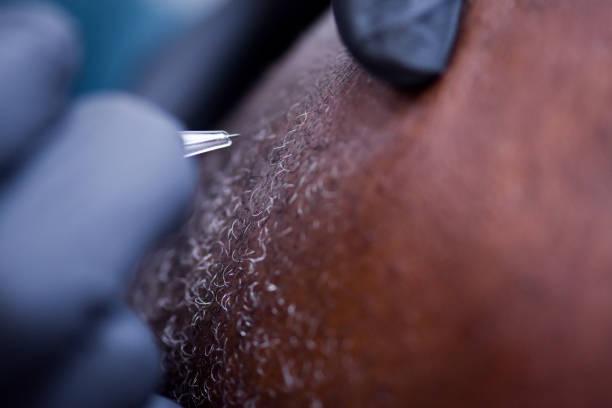
Scalp Micropigmentation in Dubai can help reduce the appearance of scalp visibility when lighter hair makes individual follicles difficult to distinguish from the underlying skin. The treatment uses controlled pigment impressions to create a subtle follicular-shadow effect rather than attempting to reproduce the exact color of each hair shaft.
Light blond, silver, gray, or naturally low-pigment hair can create a different visual challenge from dark hair. The treatment therefore depends heavily on optical integration, pigment restraint, and the relationship between hair color and scalp tone.
Why Light Hair Requires Careful Contrast Management
Hair Color Is Not the Same as Follicular Shadow
A hair shaft reflects light differently from the scalp beneath it. Trying to copy the visible hair color directly into the scalp can therefore produce an unnatural result.
SMP is designed around the appearance of follicular points rather than painted strands. The International Society of Hair Restoration Surgery describes SMP as creating microscopic dots that simulate the appearance of hair follicles and can provide an illusion of greater density.
Low Contrast Can Still Reveal Thinning
Light hair does not necessarily hide scalp exposure. When strands are fine or widely separated, the scalp may remain visible because there is insufficient visual mass between individual hairs.
In these situations, the objective is to introduce carefully controlled follicular impressions without creating an obvious dark field beneath the lighter hair.
Assessing Light Hair Before SMP
Hair color should be evaluated together with density, shaft diameter, skin tone, hairstyle, and the patient's normal lighting environment.
| Light-hair characteristic | Visual challenge | SMP consideration | Intended result |
|---|---|---|---|
| Fine blond hair | Individual strands provide limited visual coverage | Very restrained impressions | Subtle density support |
| Silver or gray hair | Low pigment in the hair shaft | Focus on follicular-shadow effect | Reduced scalp distraction |
| Mixed light and dark hair | Uneven optical contrast | Adapt distribution to regional variation | More consistent appearance |
| Light hair with short styling | Scalp becomes easier to see | Match follicular scale to cropped hair | Improved stubble effect |
| Light hair with diffuse thinning | Broad scalp visibility | Graduated regional treatment | Lower perceived contrast |
The table highlights why a single pigment formula or uniform density pattern is unsuitable for every light-haired patient.
SMP Treatment for Light Hair
Selecting the Visual Reference
The treatment plan should begin with the patient's follicular appearance rather than simply selecting a pigment based on hair color.
The clinician assesses the color of the scalp, existing follicular shadows, remaining hair, and the effect of different lighting conditions. This establishes a reference for how dark or soft the impressions should appear.
Using Fine-Scale Impressions
Small pigment points are particularly important when surrounding hair is light. Large impressions can become disproportionately noticeable against a lighter background.
Specialized SMP techniques use controlled needle penetration because pigment placed too deeply can spread and lose the crisp appearance required for follicular simulation.
Creating Graduated Optical Density
A light-haired scalp generally benefits from controlled transitions rather than abrupt changes in pigmentation. The densest visual correction should remain limited to areas where scalp exposure is genuinely noticeable.
The surrounding untreated area then provides a gradual transition, preventing the treated region from appearing like a separate colored patch.
Gray Hair Requires a Different Visual Approach
Preserving the Appearance of Silver Hair
Gray and silver hair can be especially sensitive to excessive pigmentation because the natural hair shaft contains less visible melanin.
SMP should not attempt to make the scalp appear dark simply to compensate for the lighter hair. The target is a believable follicular impression that remains compatible with the patient's existing color.
Planning for Future Color Changes
Hair color can evolve naturally with age. A treatment designed around an individual's current appearance should therefore avoid excessive saturation that could become visually dominant if more hair turns gray or silver later.
Long-term planning is particularly relevant for patients seeking a conservative cosmetic result.
Skin Tone and Light Hair
The Skin-Hair Relationship
The same light hair color can look completely different depending on the underlying skin tone. What matters cosmetically is the contrast between the visible scalp and the surrounding follicular pattern.
SMP planning should therefore be individualized to skin characteristics rather than based solely on whether the patient describes their hair as blond, gray, or light brown.
Avoiding Excessive Pigment
Adding more pigment does not necessarily produce a more natural appearance. When the objective is subtle camouflage, excessive darkness can become more noticeable than the original scalp visibility.
A conservative approach allows the pigment points to function as supporting visual elements rather than becoming the dominant feature.
Lighting Has a Major Effect on Light Hair
Direct Sunlight
Bright sunlight can illuminate the scalp between lighter strands and make density appear lower than it does under softer conditions. Dubai's strong outdoor light can therefore expose subtle differences that are difficult to identify in dim indoor environments.
Assessment under varied lighting helps establish whether a visible concern is persistent or mainly caused by a particular illumination angle.
Indoor Illumination
Highly directional ceiling lighting can also create scalp reflections between individual hairs. The effect may be especially noticeable when hair is fine or naturally separated.
For this reason, the desired SMP density should be based on overall visual integration rather than a single close-up photograph.
Light Hair and Short Hairstyles
Close-Cropped Styling
Short hair can make follicular patterns more visible because individual strands have less length to overlap. In this situation, SMP may be used to strengthen the appearance of follicular continuity.
The pigment should remain subtle enough to resemble the underlying shadow of closely cropped hair rather than a collection of dark marks.
Longer Hair
Longer light hair may conceal some scalp exposure naturally. However, movement, wet hair, parting, and styling can reveal areas that are otherwise hidden.
Treatment planning should account for the patient's usual hairstyle rather than assuming that the hair always remains in its most concealing position.
When Light-Hair SMP May Be Considered
Light-haired patients may explore SMP when they experience:
- Visible scalp between fine hairs
- Reduced density that becomes apparent under bright lighting
- Cosmetic concerns with a short hairstyle
- Low-contrast follicular visibility
- Persistent scalp exposure despite otherwise useful hair coverage
- Residual visual gaps following hair restoration
SMP changes scalp appearance but does not increase follicular count. Its role is cosmetic camouflage and visual density enhancement.
When Pigmentation May Not Be the First Step
A change in hair density should not automatically be treated as a pigmentation issue. Progressive thinning, sudden shedding, scalp inflammation, or unexplained changes in hair texture may require medical assessment before cosmetic camouflage.
The distinction is important because SMP can make an area appear visually fuller while the underlying biological process continues.
Where the hair-loss pattern is unstable, the treatment plan should account for potential future changes before defining a permanent cosmetic pattern.
Light Hair After Hair Restoration
Patients with lighter hair may notice scalp visibility between transplanted follicles even when the surgical result is established. The effect can be influenced by graft spacing, hair shaft characteristics, recipient skin tone, and the direction of growth.
ISHRS recognizes SMP as a possible adjunct for improving the appearance of low-density areas following hair restoration.
However, the mature transplant pattern should be assessed before deciding that additional pigmentation is appropriate. This prevents cosmetic treatment from being used before the final density can be accurately evaluated.
Dubai Lifestyle and Light Hair
Dubai's high levels of sunlight can increase the visibility of scalp-to-hair differences, particularly when light hair provides less visual contrast against bright surroundings. People who frequently move between outdoor settings and intensely illuminated indoor spaces may notice these changes throughout the day.
Sun protection is also relevant after SMP because ultraviolet exposure can affect the long-term appearance of cosmetic pigmentation. Appropriate post-treatment protection should follow the treating provider's instructions.
For people researching individualized hair restoration care in Dubai, light-hair SMP should be planned around real-world lighting, grooming habits, scalp characteristics, and expected changes in hair color.
Technical Factors That Influence a Natural Result
Several details can affect how SMP appears in light-haired patients:
- Pigment formulation
- Pigment concentration
- Needle configuration
- Deposition depth
- Point diameter
- Distance between impressions
- Regional density
- Scalp characteristics
- Existing follicular shadows
- Hair length
- Natural hair color variation
ISHRS emphasizes that SMP requires specialized techniques and controlled pigment placement rather than conventional tattooing methods.
The technical objective is consistency without excessive saturation.
Maintaining a Light-Hair SMP Result
The appearance of SMP can gradually change as the skin naturally renews and pigment is exposed to environmental conditions. Individual longevity varies according to skin characteristics, lifestyle, sun exposure, and treatment technique.
Patients with light hair should also reassess the visual relationship between their pigmentation and changing hair color over time. If the surrounding hair becomes significantly lighter or more gray, the original balance may need professional review.
Maintenance should be based on actual visual changes rather than automatically repeating the original treatment pattern.
Strategic Investment in Light-Hair Appearance
Light hair requires a particularly controlled approach because the goal is to improve follicular visibility without introducing excessive contrast beneath naturally subtle hair. Successful SMP depends on matching the treatment to scalp tone, follicular spacing, hair color, hairstyle, and everyday lighting.
If you are considering Scalp Micropigmentation in Dubai for light-colored or gray hair, a consultation with Tajmeels Clinic can help determine whether follicular pigmentation is appropriate and how the design can be tailored to your existing hair and scalp characteristics.

 English
 Arabic
 Spanish
 Portuguese
 Deutsch
 Turkish
 Dutch
Dutch
 Italiano
 Russian
 Romaian
 Portuguese (Brazil)
 Greek
Greek