


Why the Location and Stage of GI Cancer Can Change the Treatment Plan
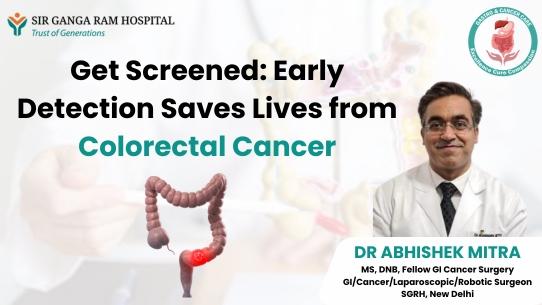
Gastrointestinal cancers are not one single disease. They can develop in different parts of the digestive system, and even cancers arising in the same organ can require different treatment approaches.
The location of a tumour, its stage, pathology, relationship with nearby structures and the patient's overall health can all influence treatment planning.
For patients looking for a Gastrointestinal Cancer Surgeon in Delhi, understanding these differences can make it easier to understand why two patients with apparently similar diagnoses may receive different treatment plans.
One Digestive System, Many Different Cancers
The gastrointestinal system includes the oesophagus, stomach, small intestine, colon and rectum. The liver, gallbladder, bile ducts and pancreas are also closely connected with gastrointestinal and hepatobiliary cancer care.
Each organ has its own anatomy and function.
As a result, surgery for stomach cancer cannot simply be applied to colon cancer, while pancreatic surgery is fundamentally different from liver surgery.
This is one reason specialist assessment is important when considering Gastrointestinal Tumor Treatment in Delhi.
Tumour Location Can Influence the Operation
The exact location of a tumour can affect which tissues need to be removed.
For example, a tumour in one part of the stomach may require a different surgical procedure from a tumour in another part. Similarly, the location of a colon tumour can influence which section of bowel is removed.
In rectal cancer, the distance of the tumour from important pelvic structures can be particularly relevant to surgical planning.
A GI Surgeon in Delhi therefore needs detailed imaging and diagnostic information before determining the most appropriate surgical approach.
Why Cancer Stage Matters
Cancer staging provides information about how extensive the disease is.
A tumour that remains localized may be approached differently from one that has spread to lymph nodes or distant organs.
Staging can involve a combination of imaging, endoscopy, biopsy, pathology and other investigations.
The stage can influence whether treatment begins with surgery, chemotherapy, radiation therapy, targeted treatment, immunotherapy or a combination of approaches.
Consequently, a diagnosis of cancer does not automatically mean that surgery should be the first treatment.
Colon Cancer Treatment Is Often Individualized
Colon Cancer Treatment in Delhi may involve surgery to remove the affected portion of the colon and associated lymph nodes.
However, the complete treatment plan depends on factors such as the cancer stage and pathology findings.
Some patients may require additional systemic treatment after surgery, while others may not.
The aim is to match treatment intensity to the characteristics of the disease rather than applying an identical plan to every patient.
Rectal Cancer Requires Its Own Treatment Strategy
Rectal cancer is different from cancer occurring in other parts of the large intestine.
The confined space of the pelvis means that the tumour's exact location and relationship to surrounding structures can be important considerations.
For this reason, Rectal Cancer Treatment in Delhi may involve treatment before surgery in selected patients.
Chemotherapy and radiation therapy may be used before an operation depending on the cancer's stage and other characteristics.
The response to preoperative treatment can then become another factor in subsequent management.
Stomach Cancer: More Than Just Removing the Tumour
Treatment for stomach cancer depends on where the cancer is located and how advanced it is.
Surgery may involve removing part of the stomach or, in selected cases, the entire stomach. Lymph-node assessment is also an important component of appropriate cancer surgery.
Depending on the stage, chemotherapy or other treatments may form part of the treatment pathway.
Patients researching Stomach Cancer Treatment in Delhi should therefore expect treatment planning to involve more than simply deciding whether an operation is possible.
Pancreatic Cancer and the Question of Resectability
One of the important considerations in pancreatic cancer is whether the tumour can be removed safely.
The pancreas lies close to major blood vessels and other important structures. Detailed imaging can help specialists assess the relationship between the tumour and these structures.
For patients exploring Pancreatic Cancer Treatment in Delhi, the treatment sequence may vary according to whether the tumour is considered suitable for immediate surgery, potentially operable after other treatment, or not amenable to surgical removal.
A Best Pancreas Specialist Doctor in Delhi should therefore assess the complete imaging and clinical picture before recommending a treatment pathway.
Liver Tumours Are Not All the Same
A liver tumour can represent a cancer that began in the liver or cancer that has spread from another organ.
This distinction is extremely important because treatment can be very different.
When evaluating a liver tumour, a Liver Tumor Specialist in Delhi may consider:
- Number of lesions
- Tumour size
- Location within the liver
- Liver function
- Underlying liver disease
- Involvement of blood vessels or bile ducts
- Whether cancer exists outside the liver
- Previous cancer treatment
In selected circumstances, surgery may be appropriate. Other patients may be considered for different local or systemic treatment options.
Gallbladder Cancer Can Require Specialized Assessment
Gallbladder cancer may be identified during evaluation of symptoms, imaging or unexpectedly following gallbladder surgery.
The required treatment depends on the depth of tumour invasion, pathology and whether the disease has extended beyond the gallbladder.
For patients researching Gallbladder Cancer Treatment in Delhi, specialist hepatobiliary assessment can help determine the extent of disease and whether additional surgery or other treatment should be considered.
Hepatobiliary Cancers Can Involve Several Structures
The liver, gallbladder and bile ducts are anatomically interconnected.
Tumours in these areas can therefore create complex surgical situations, particularly when important blood vessels or bile ducts are involved.
A Hepatobiliary Cancer Surgeon in Delhi may work alongside radiologists, medical oncologists, radiation oncologists and other specialists to determine whether surgery is appropriate and how it should be performed.
Why Treatment May Change During the Cancer Journey
Cancer treatment is not always a fixed plan from beginning to end.
New information may become available after additional imaging, biopsy, surgery or treatment.
For example, pathology following surgery may provide information that influences whether additional treatment is recommended.
Similarly, the response of a tumour to chemotherapy or radiation may affect the next treatment decision.
This is why patients may sometimes hear their treatment plan described as a sequence of stages rather than a single procedure.
The Role of Multidisciplinary Cancer Care
Complex gastrointestinal cancers often require input from several medical specialties.
A multidisciplinary team may include:
- GI or hepatobiliary surgeon
- Medical oncologist
- Radiation oncologist
- Radiologist
- Pathologist
- Gastroenterologist
- Anaesthesiologist
- Nutrition specialist
- Other relevant healthcare professionals
Each specialist contributes a different perspective.
This collaborative approach can be particularly valuable when the tumour is locally advanced, anatomically complex or requires multiple forms of treatment.
Technology Is a Tool, Not the Treatment Plan
Modern GI surgery may involve open, laparoscopic or robotic techniques.
However, the availability of advanced technology does not automatically make a particular approach suitable for every patient.
The surgical method should be selected according to the tumour, anatomy, disease extent and safety considerations.
A Gastrointestinal Surgeon in Delhi may therefore recommend different techniques for different patients, even when the cancer type is similar.
Questions Patients Can Ask About Their Treatment Plan
Before beginning treatment, patients may find it useful to ask:
What type of cancer do I have?
Understanding the exact diagnosis is the foundation of treatment planning.
What is the stage?
Ask what investigations were used to establish the stage.
Is the cancer removable by surgery?
If surgery is being considered, ask what the operation is intended to achieve.
Should treatment begin with surgery or another therapy?
Some cancers are treated with chemotherapy or radiation before surgery.
What are the alternatives?
Understanding available options can make treatment discussions clearer.
How will we know whether treatment is working?
Ask about follow-up imaging, pathology or other assessments.
Choosing a Specialist for GI Cancer Care
When searching for a GI Cancer Specialist in Delhi, patients may wish to review the surgeon's qualifications, specialist training, experience with the relevant cancer and involvement in multidisciplinary cancer care.
For complex conditions, expertise in a particular type of GI or hepatobiliary surgery may be especially relevant.
Patients should also feel comfortable asking questions about the proposed treatment, expected recovery, potential complications and available alternatives.
Conclusion
The treatment of gastrointestinal cancer depends on much more than the name of the organ involved.
Tumour location, stage, pathology, involvement of nearby structures and the patient's overall health can all influence the treatment pathway.
Whether someone is searching for a GI Cancer Doctor in Delhi, Colorectal Cancer Surgeon in Delhi, Liver Cancer Surgeon in Delhi, Pancreatic Cancer Treatment in Delhi, or a specialist for stomach or gallbladder cancer, individualized assessment is central to developing an appropriate plan.
Understanding why treatment recommendations differ can help patients participate more confidently in discussions with their healthcare team.

 English
 Arabic
 French
 Spanish
 Portuguese
 Deutsch
 Turkish
 Dutch
Dutch
 Italiano
 Russian
 Romaian
 Greek
Greek