


Alopecia Areata Treatment in Dubai for Targeted Regrowth
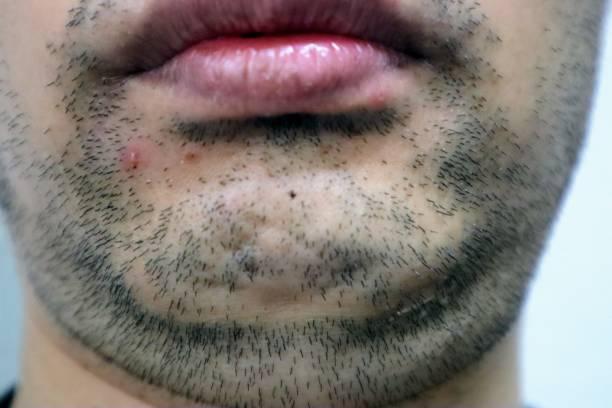
Sudden bald patches are often associated with an immune reaction affecting otherwise viable hair follicles rather than simple genetic thinning. Alopecia Areata Treatment in Dubai is planned around the pattern, activity, and extent of hair loss, with treatment options selected to support regrowth while addressing the underlying inflammatory process.
The condition can affect the scalp, beard, eyebrows, eyelashes, or other hair-bearing areas. Because its activity can change over time, treatment planning should focus on both visible regrowth and signs that new patches are developing.
Understanding the Follicle Before Alopecia Areata Treatment in Dubai
How Alopecia Areata Affects Hair Follicles
Alopecia areata occurs when immune activity disrupts the normal hair-growth cycle. The affected follicles can enter a resting or weakened state, producing smooth areas where hair becomes visibly absent.
This differs from permanent follicular destruction. In many cases, the follicular structures remain capable of producing hair, which is one reason medical management can lead to regrowth.
Why the Shape of a Bald Patch Matters
A dermatologist looks beyond the diameter of a bald area. The shape, borders, number of patches, rate of expansion, and presence of short regrowing hairs can provide useful information about disease activity.
A single stable patch may require a different strategy from rapidly expanding or multiple patches. Eyebrow, eyelash, beard, or nail changes can also alter the overall clinical assessment.
Active Versus Stable Hair Loss
An active patch may enlarge while additional areas appear elsewhere. Some patients also notice itching, tingling, or sensitivity around affected skin, although alopecia areata can occur without noticeable symptoms.
Monitoring these changes helps determine whether the priority should be localized treatment, broader medical management, or continued observation.
Alopecia Areata Treatment in Dubai by Hair-Loss Pattern
| Clinical presentation | Main consideration | Possible treatment direction |
|---|---|---|
| One or a few localized patches | Limited affected area | Targeted medical therapy or localized injections |
| Several scalp patches | Wider distribution | Combination or broader treatment strategy |
| Rapidly expanding loss | Active disease | Dermatological reassessment and disease-directed treatment |
| Eyebrow or eyelash involvement | Small, anatomically sensitive area | Carefully selected localized or systemic therapy |
| Extensive scalp loss | Significant follicular involvement | Specialist evaluation for systemic treatment |
| Recurrent episodes | Relapsing disease pattern | Long-term monitoring and individualized maintenance |
The table illustrates why a single procedure should not automatically be presented as the universal solution. Treatment selection depends on disease extent, patient factors, previous response, and whether the condition is currently active.
Planning Alopecia Areata Treatment in Dubai Around Scalp Anatomy
The scalp is not a uniform surface. Hair follicles vary in density, orientation, depth, and distribution across the frontal scalp, mid-scalp, crown, and temporal regions.
When injections are used, the clinician needs to consider the thickness of the skin, the affected area, injection spacing, product volume, and the depth appropriate for the selected treatment. Precision matters because excessive manipulation can unnecessarily irritate already sensitive tissue.
Patients researching targeted hair restoration care in Dubai should therefore look for a treatment plan based on their specific pattern rather than a fixed session formula.
PRP Injection Planning
Platelet-rich plasma is prepared from the patient's own blood and introduced into selected scalp areas through multiple small injections. The objective is to place the preparation across the clinically relevant region rather than concentrating it at one point.
The injection map can be adapted according to the size and location of the affected patch. This allows the clinician to avoid unnecessary treatment of unaffected scalp.
Mesotherapy and Microinjection Technique
Mesotherapy involves multiple superficial injections into the scalp using a customized preparation. Because formulas can differ, the exact substances used should be determined by the treating clinician rather than assumed from the term "mesotherapy" alone.
Injection spacing, depth, volume, and scalp condition all influence the procedure. A patient with inflamed or highly sensitive skin may require different handling from someone with stable, asymptomatic patches.
Laser-Based Treatment
Laser or low-level light approaches use controlled light exposure rather than conventional surgical removal of tissue. Their proposed role is to support cellular activity and the follicular environment.
Laser therapy may be considered as part of a customized plan, but it should not be described as a replacement for medical assessment of active autoimmune hair loss.
Why Diagnosis Comes Before Alopecia Areata Treatment in Dubai
Not every smooth bald patch is alopecia areata. Fungal scalp infections, traction-related hair loss, scarring alopecias, trichotillomania, and other dermatological conditions can produce hair-loss patterns that require different management.
Scalp Examination
A close examination can reveal differences in follicular openings, broken hairs, scaling, inflammation, and regrowth patterns. Dermoscopic assessment can provide additional information when the diagnosis is not immediately obvious.
Medical History
The consultation should consider the onset of hair loss, previous episodes, family history, medications, autoimmune conditions, recent illness, and other relevant health factors.
The dermatologist may also ask about eyebrow, eyelash, beard, or body-hair changes because alopecia areata is capable of affecting several anatomical sites.
When Additional Testing Is Needed
Laboratory investigations are not automatically required for every patient. They may be considered when the history or examination suggests another underlying condition or when associated autoimmune disease needs evaluation.
A biopsy can also be considered when the clinical presentation is atypical or another type of alopecia needs to be excluded.
Dubai's Climate and Everyday Scalp Management
Dubai's environmental conditions create practical considerations for patients receiving scalp procedures. Outdoor heat and strong sunlight can alternate with prolonged periods in air-conditioned environments, creating different demands on the scalp's surface.
Managing Sun Exposure
Direct sunlight can be particularly uncomfortable after procedures involving multiple scalp injections or device-based treatment. Patients should follow the treating clinician's recommendations regarding sun protection and outdoor exposure.
This becomes especially relevant for people who commute outdoors, exercise outside, travel frequently, or spend significant time at beaches and pools.
Air Conditioning and Scalp Dryness
Long periods in air-conditioned environments may contribute to a sensation of scalp dryness for some patients. Aggressive shampoos, frequent chemical treatments, or excessive styling can add unnecessary irritation.
A simple scalp-care routine is generally preferable to repeatedly changing products in response to temporary shedding.
Hair Styling in a Busy Dubai Lifestyle
Frequent blow-drying, chemical coloring, tight hairstyles, and repeated heat exposure can add mechanical or cosmetic stress to hair. These factors do not cause every case of alopecia areata, but minimizing avoidable irritation can make ongoing scalp management easier.
What Happens During Alopecia Areata Treatment in Dubai
Tajmeels describes its alopecia areata program as a minimally invasive approach incorporating PRP, mesotherapy, and laser therapy, with treatment selection customized according to the pattern and severity of hair loss.
Before Treatment
The scalp is assessed before the procedure and the treatment area identified. Patients should disclose medications, allergies, previous reactions, and relevant medical conditions before receiving injections or device-based treatment.
The clinician can then determine whether the selected procedure is appropriate for the current condition of the scalp.
During Treatment
For PRP, blood is collected and processed before the prepared platelet-rich fraction is introduced into selected scalp areas using fine needles.
For mesotherapy, a series of small injections is used to deliver the selected preparation into the scalp. Laser-based treatment instead uses controlled device exposure over the designated area.
The exact sequence depends on the treatment plan rather than following a universal protocol.
After Treatment
Temporary redness, soreness, swelling, or itching can occur following scalp procedures. Patients should follow the specific aftercare instructions supplied by their clinician and avoid unnecessary touching, scratching, or irritation.
The treatment page specifies a short recovery period for its procedures, while emphasizing follow-up and maintenance according to individual response.
Tracking Regrowth After Alopecia Areata Treatment in Dubai
Regrowth should be evaluated progressively rather than immediately after a procedure. Hair follicles operate through biological growth cycles, so visible density changes take time.
A useful monitoring system can include:
- Consistent photographs under similar lighting.
- Measurement of patch dimensions.
- Documentation of new patches.
- Assessment of short regrowing hairs.
- Monitoring eyebrow or eyelash involvement where relevant.
- Recording treatment dates and clinical responses.
- Reviewing adverse reactions after each session.
This type of documentation gives the dermatologist a more reliable basis for deciding whether to continue the current approach.
Why One Session Does Not Define the Outcome
Alopecia areata can fluctuate independently of treatment. Some patients experience spontaneous regrowth, while others have persistent or recurrent disease.
For that reason, an isolated improvement should not automatically be interpreted as permanent disease control, and temporary shedding should not automatically be interpreted as treatment failure.
When Alopecia Areata Treatment in Dubai Requires Broader Medical Management
Localized procedures may be appropriate for selected patients with limited patchy disease. More extensive alopecia areata can require a different medical strategy.
For widespread disease, dermatologists may consider systemic treatments, including JAK inhibitors approved for specific patient groups. These medications act on immune signaling and require appropriate medical screening, prescribing, and monitoring.
Extensive Scalp Involvement
When a substantial portion of the scalp is affected, repeatedly treating individual patches may not address the full clinical picture. A dermatologist can assess whether a systemic approach is more appropriate.
Eyebrow and Eyelash Involvement
Hair loss around the eyes requires additional anatomical caution. Treatment must account for the thin skin and proximity of the follicles to the eyes.
A treatment suitable for a large scalp patch should not automatically be transferred to the eyebrow or eyelash region without modification.
Recurrent Alopecia Areata
Recurrence is a recognized feature of alopecia areata. A patient who regains hair successfully can still develop another episode later.
Long-term monitoring therefore has value even after visible regrowth has been achieved.
Practical Questions to Discuss With Your Dermatologist
Before starting treatment, patients can ask:
- What type of alopecia is causing my hair loss?
- Is my condition currently active?
- Are the affected follicles still producing signs of regrowth?
- Which areas need treatment?
- Why is a particular injection or device being recommended?
- Would medical treatment be more appropriate than a procedural approach?
- How will progress be documented?
- What symptoms should prompt an earlier review?
- Could the condition recur after regrowth?
- What should I avoid between treatment sessions?
These questions shift the discussion from simply choosing a procedure to understanding the biological reason behind the treatment plan.
The Strategic Value of Personalized Alopecia Areata Treatment in Dubai
Alopecia areata is not ordinary cosmetic thinning, and successful management requires more than increasing the apparent density of the scalp. The pattern of follicular involvement, immune activity, anatomical location, recurrence history, and treatment response all influence clinical decisions.
Alopecia Areata Treatment in Dubai can involve targeted injections, PRP, mesotherapy, laser-based approaches, topical medication, or systemic therapy when medically indicated. The appropriate route depends on the individual presentation rather than a universal treatment package.
For patients seeking specialist evaluation and individualized hair-loss care in Dubai, Tajmeels Clinic provides a customized approach to alopecia areata assessment and treatment planning.

 English
 Arabic
 French
 Spanish
 Portuguese
 Deutsch
 Turkish
 Italiano
 Russian
 Romaian
 Portuguese (Brazil)
 Greek
Greek