


Pacific Galvanizing's Hot Dip Galvanizing Process Explained
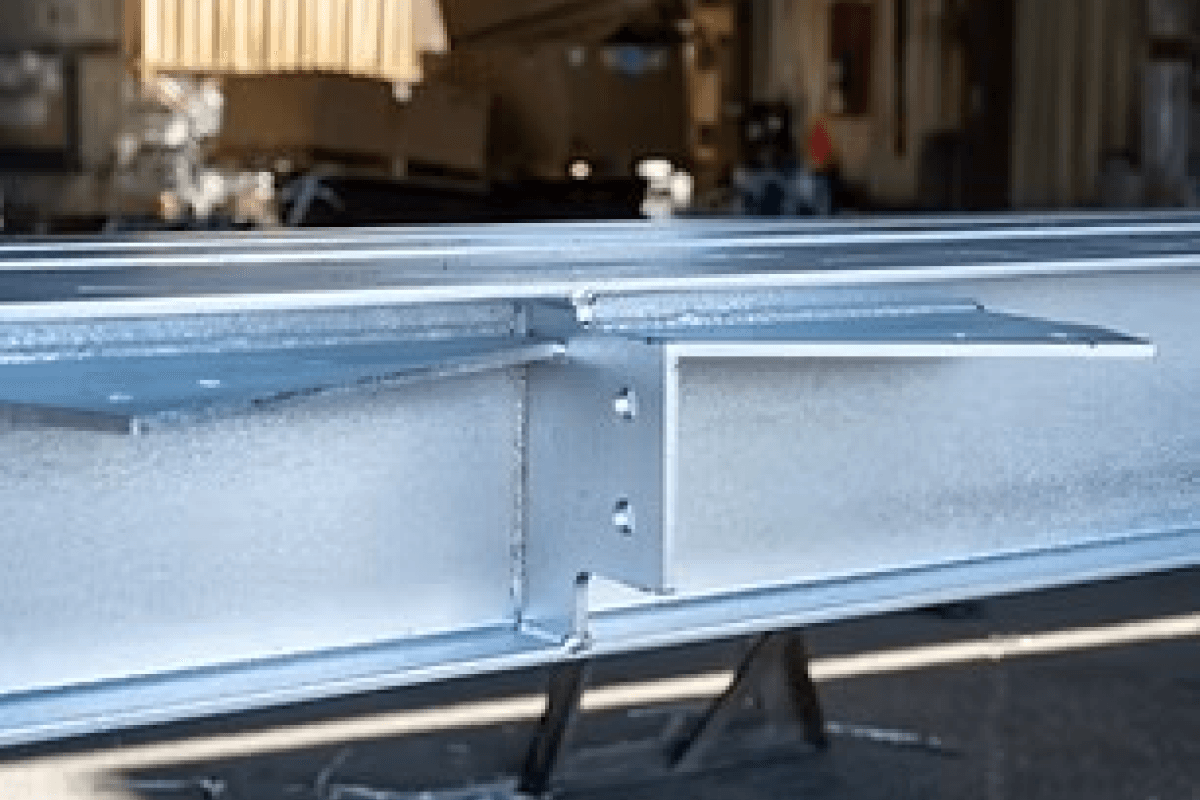
Understanding exactly what happens to steel during the galvanizing process can help contractors, engineers, and fabricators make far more informed decisions about coating specifications and realistic project timelines before a job even begins. While the basic concept, dipping steel in molten zinc, sounds fairly simple on the surface, the actual process involves several carefully controlled stages, each one essential to producing a coating that will genuinely last for decades once installed in the field and exposed to real-world conditions. Skipping or shortening any single stage undermines the entire system, which is why experienced facilities resist the temptation to speed through the early steps even under scheduling pressure. That discipline is often invisible to the customer, but it shows up clearly in how the finished steel performs years down the line.
Inspection and Preparation
Every project starts with a thorough inspection of incoming steel to identify any existing coatings, contamination, or design issues that could potentially affect the galvanizing process down the line. Parts are then racked or hung in a way that ensures maximum exposure to the chemical baths and zinc bath that follow, while also allowing for proper drainage to avoid excess zinc buildup in certain areas once the piece is removed from the kettle and set aside to cool. Getting this racking step right the first time avoids the need for rework later, since repositioning a partially coated piece is far more difficult than planning ahead. Anyone wanting a closer look at the full sequence can review exactly how Hot Dip Galvanizing moves from raw steel to a finished, coated product.
Chemical Cleaning Stages
Steel then passes through a caustic cleaning solution to remove oil, grease, and shop dirt accumulated during fabrication, followed by an acid pickling bath that dissolves rust and mill scale down to bare metal. These stages are absolutely critical because zinc can only bond properly to a completely clean surface, and any remaining contamination will result in poor adhesion or noticeable bare spots showing up in the finished coating once the piece emerges from the kettle. Staff monitor these baths closely throughout the day, adjusting concentration and temperature as needed to keep results consistent from the first piece of the morning to the last.
Fluxing and Zinc Immersion
After rinsing thoroughly, steel moves through a flux solution that removes any residual oxide and helps the molten zinc bond evenly across the entire surface once immersion actually begins in the kettle. The steel is then lowered into a kettle of zinc heated to roughly 830 degrees Fahrenheit, where a metallurgical reaction forms multiple layers of zinc-iron alloy, creating a coating that is fundamentally different from, and far more durable than, a surface-applied paint or powder coat that simply sits on top of the metal. This is the step that most people picture when they think of galvanizing, but it only works as well as it does because of the careful preparation that came before it.
Cooling and Final Inspection
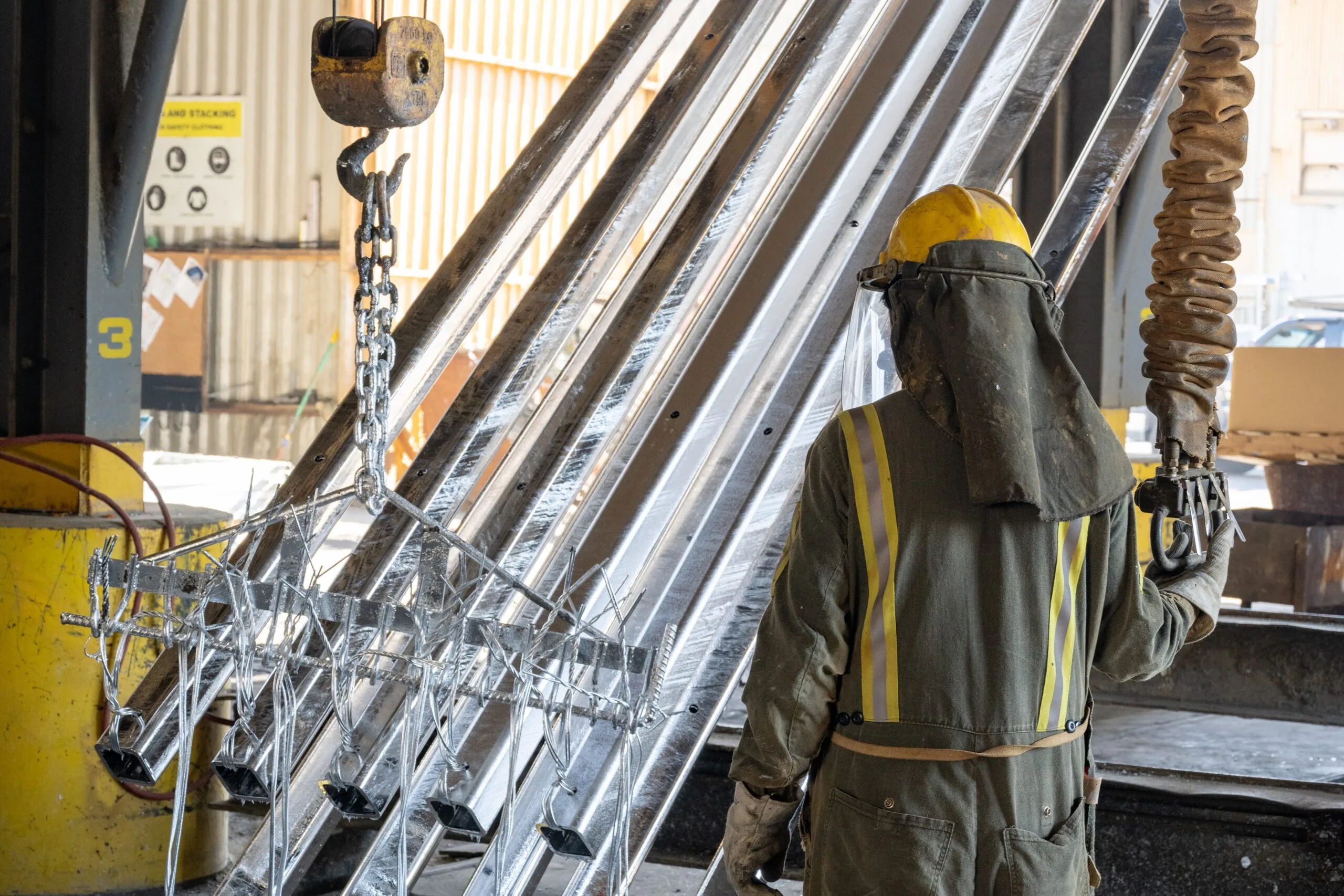
Once removed from the zinc bath, steel is cooled and then carefully inspected for coating thickness, overall appearance, and adhesion quality before it is ever cleared for shipment. Any imperfections are addressed before the piece is cleared for delivery, and coating thickness is verified against ASTM standards to ensure the finished product meets the specifications required for its intended application, whether that happens to be structural steel, agricultural fencing, or custom fabricated architectural parts. This final check is the last opportunity to catch any issue before steel leaves the facility, which is why experienced inspectors take it just as seriously as every earlier stage.
Why Understanding This Process Matters
For anyone specifying or purchasing galvanized steel, understanding this full process provides useful, practical context for realistic lead times, coating quality expectations, and overall pricing across the industry. It also highlights clearly why cutting corners at any single stage compromises the entire final product, reinforcing the real value of working with an experienced provider who follows every step carefully rather than rushing through the process just to save a little time upfront. Customers who understand this process tend to have far more realistic expectations, and far more confidence in the finished product they ultimately receive. That confidence tends to carry over into every future order, reducing the need for repeated explanations of why quality steel finishing takes the time it does.

 English
 Arabic
 French
 Spanish
 Portuguese
 Deutsch
 Turkish
 Dutch
Dutch
 Italiano
 Russian
 Romaian
 Greek
Greek