


Trailer Structural Integrity Checks Every Fleet Should Prioritize
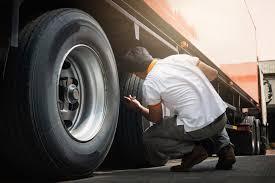
Trailers are not just equipment for fleet managers and owner operators, but assets that get the freight moving and make money. Structural damage in a trailer can easily result in a very expensive roadside breakdown, delayed delivery, or inspection failure. Although engines and transmissions are frequently the focus of attention, trailer structures are subjected to constant stresses from heavy loads, rough roads, loading docks, and day-to-day operations. Hence, smart fleet owners consider semi-trailer repair among their preventive maintenance steps. Early detection of structural issues can minimize downtime, prevent damage to the cargo, and save on costly repairs, which can negatively impact operations.
Why Structural Integrity Matters
The trailer frame is built to endure thousands of miles of stress. Each trip puts loading stress on the frame, suspension mounting points, cross members, landing gear, and floor system.
Even normal wear can cause problems in these components over time. Fleets can suffer from:
-
Unexpected breakdowns
-
Cargo damage
-
DOT inspection violations
-
Increased repair costs
-
Lost productivity
-
Missed delivery schedules
When an owner-Operator or fleet manager is operating on a thin profit margin, it is much cheaper to avoid these problems than it is to face emergency repairs.
Inspect Frame Rails for Damage
Frame rails support the majority of the trailer's load and are under constant stress during daily operation.
Routine inspections should be conducted to check for:
-
Cracks
-
Bent sections
-
Rust buildup
-
Loose fasteners
-
Some sign of previous poor repairs
Small cracks don't stay small. Damage can spread rapidly with heavy loads and road vibration, resulting in much larger repair projects.
Early treatment of frame damage ensures that the trailer remains strong and is less likely to experience unexpected downtime.
Check Cross Members Regularly
Cross members cross the trailer floor and assist in evenly distributing the load.
Often, the warning signs are:
-
Bent cross members
-
Broken welds
-
Corrosion
-
Missing hardware
-
Sagging floor sections
When cross members weaken, the trailer floor can lose strength, making it more difficult to safely transport heavy freight.
These can be found through regular inspections before they become an issue to the safety of your cargo or a big structural repair job.
Inspect Landing Gear Components
Trailers undergo a tremendous load during landing gear changes.
Fleet Managers should check for:
-
Bent legs
-
Cracked mounting brackets
-
Damaged crank handles
-
Loose mounting bolts
-
Excessive wear is around welds.
Damage to the landing gear can cause loading delays and safety issues when loading the trailer.
Maintaining these parts in good shape can boost efficiency and minimize downtime.
Examine Suspension Mounting Areas
Trailer suspensions transfer constant road forces into the trailer frame.
Over time, mounting brackets and surrounding structures may begin to weaken.
Inspect for:
-
Cracked welds
-
Loose hardware
-
Frame distortion
-
Rust around mounting points
-
Uneven wear patterns
Suspension-related structural damage can also contribute to poor tire wear, alignment issues, and reduced trailer stability.
Early repairs often prevent larger structural failures later.
Look for Floor Damage
Trailer floors experience constant pressure from forklifts, pallets, and heavy cargo.
Warning signs include:
-
Soft flooring
-
Broken boards
-
Moisture damage
-
Cracked flooring
-
Uneven surfaces
Damaged flooring may reduce load capacity while increasing the risk of cargo damage during transportation.
Regular inspections help identify problems before they become major repair projects.
Watch for Rust and Corrosion
Rust remains one of the biggest threats to trailer longevity.
Commercial trailers operate through:
-
Rain
-
Snow
-
Road salt
-
Humidity
-
Mud
-
Chemical exposure
Corrosion often begins in small areas but can eventually weaken structural components.
Maintenance teams should pay close attention to:
-
Weld joints
-
Frame rails
-
Landing gear supports
-
Cross members
-
Door frames
Treating corrosion early is almost always less expensive than replacing structural components later.
Inspect Welds Carefully
Welds hold many structural components together and experience continuous stress during normal operation.
Common warning signs include:
-
Hairline cracks
-
Separation
-
Rust around welds
-
Distorted metal
-
Visible movement
Even minor weld failures can gradually expand under heavy loads.
Routine inspections allow maintenance teams to repair weakened welds before they compromise trailer safety.
Many fleet operators rely on Epika Fleet for maintenance and repair support to identify structural concerns early, helping reduce downtime and extend trailer service life.
Check Doors and Rear Frame Structure
Trailer doors are opened and closed countless times throughout their service life.
Inspect for:
-
Bent hinges
-
Damaged door frames
-
Loose hardware
-
Misalignment
-
Broken locking mechanisms
Door frame damage may indicate larger structural movement within the trailer.
Keeping rear structures properly aligned also helps protect cargo while improving loading efficiency at customer facilities.
Monitor Roof and Sidewall Condition
Structural inspections should also include upper trailer components.
Maintenance teams should look for:
-
Roof cracks
-
Sidewall bulging
-
Loose rivets
-
Water intrusion
-
Exterior panel damage
Water entering through damaged roofs or sidewalls can weaken interior structures while damaging freight.
Addressing these concerns early helps prevent larger repair expenses and protects customer shipments.
Build Structural Inspections Into Preventive Maintenance
The most successful fleets don't wait until trailers fail before checking structural components.
Instead, they include structural inspections during scheduled maintenance visits.
A preventive inspection program should include:
-
Frame inspections
-
Weld evaluations
-
Landing gear checks
-
Suspension mounting inspections
-
Floor assessments
-
Corrosion monitoring
-
Door and roof inspections
This proactive approach helps fleets identify developing problems before they result in roadside breakdowns or expensive emergency repairs.
Companies like Epika Fleet support commercial fleets with trailer maintenance and repair services that help identify structural issues early, allowing operators to schedule repairs before they affect uptime or customer commitments.
Encourage Drivers to Report Structural Concerns
Drivers often notice structural issues before anyone else.
Fleet managers should encourage reporting of:
-
Trailer lean
-
Unusual noises
-
Door operation problems
-
Floor movement
-
Visible cracks
-
Loose body panels
Quick reporting allows maintenance teams to investigate concerns before they become serious structural failures.
Many successful fleets treat drivers as an important part of their preventive maintenance strategy because early communication often prevents expensive repairs.
Final Thoughts
For owner-operators and fleet managers, protecting trailer integrity is about more than extending equipment life; it is about keeping freight moving, maintaining customer confidence, and controlling long-term operating costs. By performing routine structural inspections, encouraging driver reporting, and partnering with experienced providers like Epika Fleet, fleets can improve reliability, reduce costly breakdowns, and maximize the value of every trailer. Regular semi-trailer repair is one of the smartest investments a fleet can make to support safe, productive, and profitable operations.

 English
 Arabic
 French
 Spanish
 Deutsch
 Turkish
 Dutch
Dutch
 Italiano
 Russian
 Romaian
 Portuguese (Brazil)
 Greek
Greek