


Calcium Blood Test: What Can Cause an Unexpected Result?
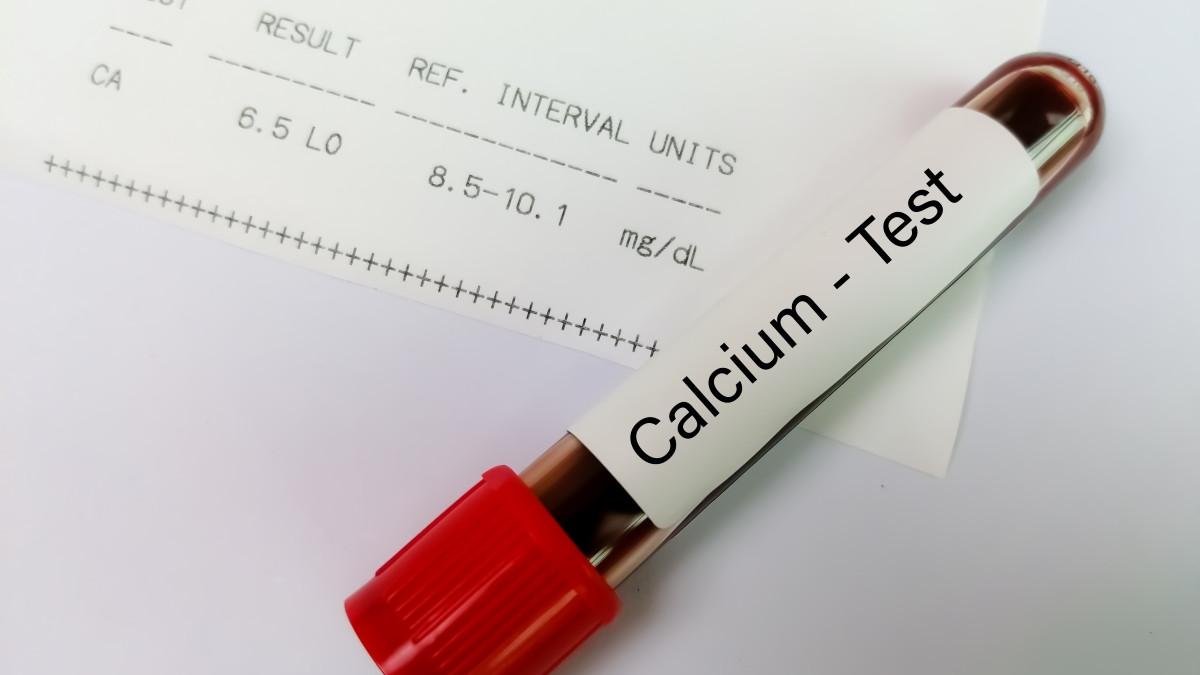
A calcium blood test is a common laboratory test used to measure the amount of calcium circulating in the blood. It may be included in routine blood work or ordered when a healthcare professional wants to investigate problems involving the bones, kidneys, parathyroid glands, digestive system, or mineral balance.
An unexpected calcium result does not automatically mean that something is seriously wrong. Calcium Blood Test in Dubai levels can be influenced by hormones, medications, vitamin levels, kidney function, blood proteins, hydration, and other health conditions. Understanding these possible influences can make an abnormal calcium blood test easier to interpret.
Start With the Question: Is the Calcium Actually Abnormal?
The first step is to compare the result with the reference range provided by the laboratory that performed the test. Reference ranges can differ between laboratories, so a calcium level should not be interpreted using a generic number from another source.
A calcium blood test generally measures either total calcium or ionized calcium.
Total calcium includes calcium attached to proteins in the blood as well as free calcium. Ionized calcium, also called free calcium, measures the calcium that is not attached to proteins and is biologically active in many body functions.
This distinction matters because an unexpected total calcium result may sometimes reflect changes in blood proteins rather than a major change in active calcium.
A Change in Albumin Can Alter Total Calcium:
Albumin is the main blood protein that binds calcium. When albumin levels change, the total calcium measurement can also change even though the amount of ionized calcium may not have changed in the same way.
Low albumin can occur in connection with conditions affecting nutrition, the liver, kidneys, or the digestive system. Dehydration can also influence albumin levels and other blood test measurements.
What is the clue?
An unexpected total calcium result may appear alongside an unusual albumin result.
What may happen next?
Depending on the clinical situation, a healthcare professional may consider the albumin level, repeat the calcium test, or order an ionized calcium test. Ionized calcium can provide additional information when protein levels make total calcium harder to interpret.
Parathyroid Hormone May Be Changing Calcium Balance:
The parathyroid glands play a central role in calcium regulation. They produce parathyroid hormone (PTH), which helps raise blood calcium when levels fall by influencing bones, the kidneys, and calcium absorption from the digestive system.
If blood calcium is unexpectedly high, one possible explanation is overactivity of the parathyroid glands, known as hyperparathyroidism. Primary hyperparathyroidism can produce high calcium together with elevated or inadequately suppressed PTH.
What is the clue?
The calcium result may be abnormal while the PTH result provides an important additional piece of information.
What may happen next?
A healthcare professional may compare calcium and PTH levels together rather than interpreting either result in isolation. Other testing may be considered depending on the overall pattern.
This is important because a PTH result that falls within a laboratory's stated range may still be clinically inappropriate when blood calcium is elevated.
Vitamin D and Calcium Supplements Can Influence Results:
Vitamin D helps the body maintain calcium balance. Excessive vitamin D intake can contribute to elevated calcium levels, while insufficient vitamin D can be associated with low calcium in some circumstances. Calcium-containing supplements and certain antacids can also affect calcium measurements.
This is why healthcare professionals commonly ask about:
-
Calcium supplements
-
Vitamin D supplements
-
Multivitamins
-
Calcium-containing antacids
-
Other over-the-counter products
What is the clue?
The unexpected calcium result may occur after a change in supplementation or alongside other abnormalities related to mineral metabolism.
What may happen next?
Your healthcare professional may review your supplement doses and other laboratory findings before deciding whether additional testing is appropriate. Do not stop prescribed medicines or supplements on your own unless you are instructed to do so.
Kidney Function Can Change Calcium Regulation:
The kidneys help maintain mineral balance by influencing calcium, phosphorus, vitamin D metabolism, and the removal of substances from the blood.
Kidney disease can therefore be associated with abnormal calcium results. MedlinePlus lists kidney disease among possible causes of both low and abnormal calcium levels, depending on the underlying situation.
Kidney problems can also complicate the relationship between calcium and PTH. In people with kidney-related mineral disorders, healthcare professionals may consider calcium, phosphorus, PTH, vitamin D, and kidney function together rather than relying on one laboratory value.
What is the clue?
An unexpected calcium result may appear with an abnormal creatinine, estimated glomerular filtration rate, phosphorus, or other kidney-related measurement.
What may happen next?
Additional blood or urine testing may help determine whether the kidneys are contributing to the calcium imbalance.
Dehydration May Make a Result Look Different:
Hydration status can affect several laboratory measurements. Dehydration is one recognized contributor to high blood calcium levels, although it is not the only possible explanation.
This is one reason a mildly abnormal result may sometimes need to be confirmed rather than immediately interpreted as evidence of a chronic disorder.
What is the clue?
The calcium result may be unexpected without a clear history of a calcium-related disorder, particularly when other blood measurements suggest changes in fluid balance.
What may happen next?
A clinician may review the rest of the blood panel and decide whether repeating the test is appropriate.
Medications Can Affect Calcium Results:
Some medicines can influence calcium levels or interfere with how calcium balance is regulated. MedlinePlus identifies several medicines that may affect calcium testing, including lithium, thiazide diuretics, vitamin D, calcium-containing products, and certain other medications.
This does not mean a medication should automatically be blamed for an abnormal result.
What is the clue?
The calcium result may be unexpected after starting, stopping, or changing a medication, or the person may be taking a medicine known to affect calcium metabolism.
What may happen next?
A healthcare professional may review the medication list and decide whether another test or repeat measurement is needed. Never change a prescribed medication simply because of an abnormal laboratory result without discussing it with the prescribing clinician.
Low Calcium Has Its Own Set of Possible Explanations:
An unexpectedly low calcium blood test is not necessarily caused by simply “not eating enough calcium.”
Possible contributors include low albumin, vitamin D deficiency, magnesium deficiency, hypoparathyroidism, kidney disease, malabsorption, and pancreatitis.
What is the clue?
Low calcium may appear alongside changes in albumin, magnesium, vitamin D, kidney function, or PTH.
What may happen next?
Depending on the circumstances, a healthcare professional may order additional tests to identify whether the low calcium reflects a change in protein binding, hormone regulation, vitamin status, kidney function, or another underlying issue.
Could the Result Be Related to a Lab or Testing Factor?
Laboratory tests are generally reliable, but no test is perfect. Results can sometimes be influenced by factors such as medicines, supplements, food and drink, exercise, or failure to follow preparation instructions.
For a calcium test, preparation is often minimal, although additional tests ordered at the same time may require fasting or other instructions. It is important to tell the healthcare professional about all prescription medicines, over-the-counter products, vitamins, and supplements.
If a result does not fit the rest of the clinical picture, repeating the test may sometimes be appropriate.
What Other Tests Can Help Explain an Unexpected Calcium Result?
A calcium result is usually more informative when considered alongside related measurements.
Depending on the situation, a healthcare professional may consider:
Albumin:
Albumin helps explain whether a change in total calcium could be related to blood protein levels.
Ionized Calcium:
This measures free calcium and may be useful when total calcium is difficult to interpret because of changes in protein levels.
Parathyroid Hormone:
PTH helps evaluate how the parathyroid glands are responding to blood calcium.
Vitamin D:
Vitamin D status can provide information about calcium absorption and mineral metabolism.
Kidney Function Tests:
Creatinine and related kidney measurements can help determine whether impaired kidney function could be contributing to mineral abnormalities.
Phosphorus and Magnesium:
These minerals interact with calcium and may provide additional clues when calcium is unexpectedly high or low.
Urine Calcium:
A calcium urine test measures how much calcium is being eliminated through the urine. It answers a different question from a calcium blood test and may be useful in evaluating certain calcium and parathyroid disorders.
Does an Abnormal Calcium Test Mean You Have a Disease?
Not necessarily.
An abnormal calcium result can have many possible explanations, and the meaning depends on the degree of abnormality, the type of calcium measured, related laboratory results, medications, medical history, and symptoms.
A calcium blood test also does not measure bone density. Someone can have normal blood calcium while having reduced bone mineral density, which is why a bone density test such as a DEXA scan is used when bone strength needs to be assessed.
The opposite is also important: an abnormal calcium level does not automatically mean that the bones are the source of the problem.
When Should an Unexpected Calcium Result Be Discussed Promptly?
The urgency depends on the actual calcium level, symptoms, and underlying circumstances.
Very high or very low calcium can sometimes cause significant symptoms. Severe low calcium may be associated with muscle spasms, abnormal heart rhythms, or seizures, while significant high calcium can be associated with confusion, vomiting, weakness, increased thirst, and frequent urination.
If you have severe symptoms or your healthcare professional has advised urgent evaluation, seek medical care promptly.
The Practical Way to Read an Unexpected Calcium Result:
Instead of asking only, Is my calcium high or low?, it is more useful to ask:
What type of calcium was measured?
Was albumin normal?
What was the PTH level?
How were kidney function, vitamin D, phosphorus, and magnesium?
Could a medication or supplement have influenced the result?
Does the result need to be repeated or confirmed with ionized calcium?
These questions help turn one unexpected laboratory number into a broader picture of calcium metabolism.
Final Takeaway:
An unexpected calcium blood Lab tests result can have many causes, ranging from changes in albumin and hydration to vitamin D status, medications, kidney function, and parathyroid disorders. High and low calcium levels should therefore be interpreted in context rather than treated as a diagnosis by themselves.
The most useful approach is to look at the calcium result together with related tests and the individual's overall health picture. When necessary, follow-up testing such as ionized calcium, PTH, vitamin D, kidney function tests, phosphorus, magnesium, or urine calcium can help clarify why the result is different from expected.

 English
 Arabic
 French
 Spanish
 Portuguese
 Deutsch
 Turkish
 Dutch
Dutch
 Italiano
 Russian
 Romaian
 Greek
Greek