


When Should You Start Prenatal Yoga Classes Online During Pregnancy?
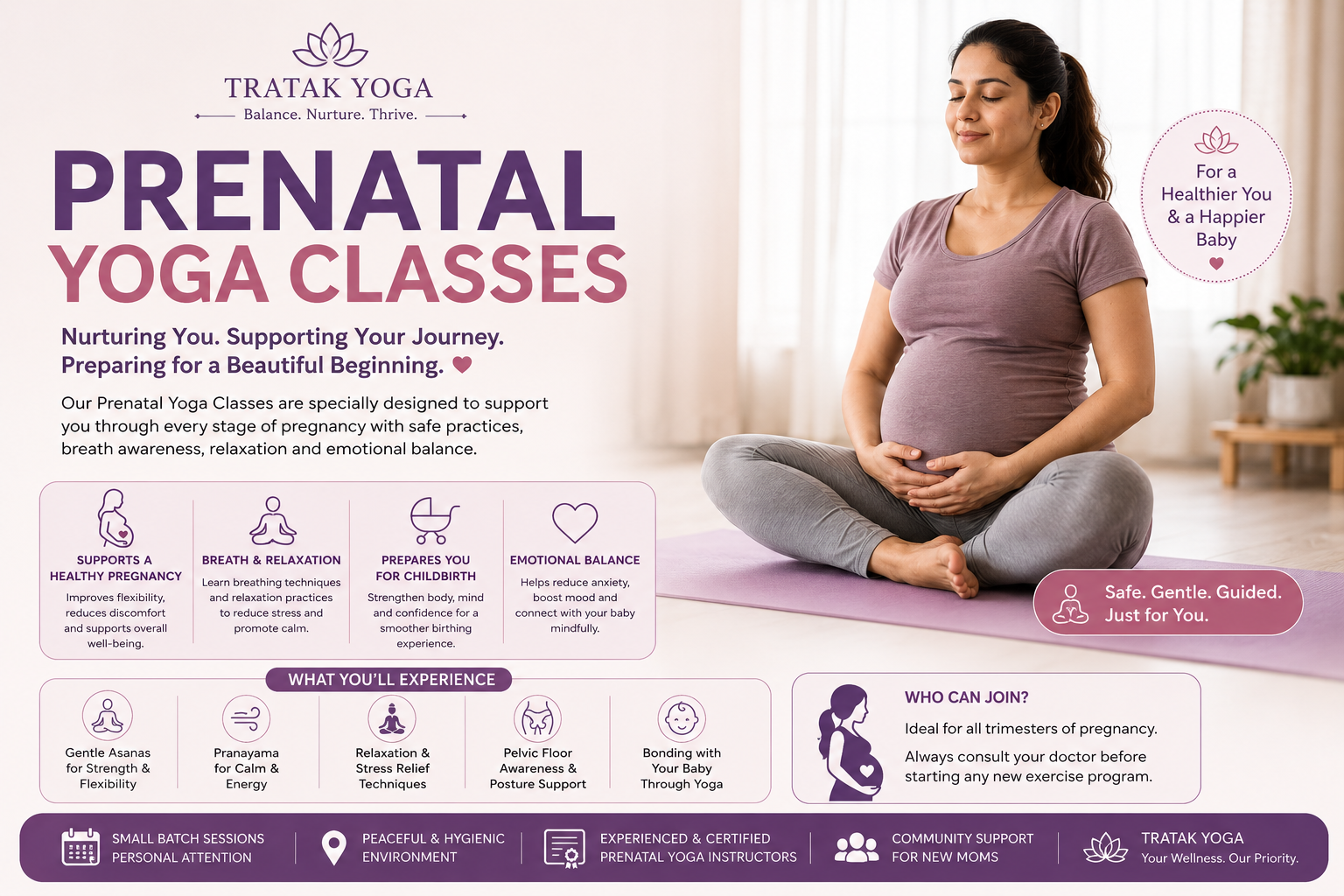
Pregnancy is a time when your body, energy levels, and daily routine can change from one week to the next. Staying active can be an important part of maintaining overall well-being, but exercise during pregnancy should be adapted to your changing needs.
Prenatal yoga offers a gentle approach to movement by combining suitable yoga postures, breathing exercises, relaxation, and mindfulness. Unlike a regular yoga practice, prenatal yoga is specifically adapted for pregnancy and can be modified as the body changes.
Prenatal yoga classes online provide an additional advantage by allowing expectant mothers to practice from home. The ideal time to begin depends on individual health, previous yoga experience, pregnancy stage, and advice from a healthcare professional.
The Right Time to Begin Prenatal Yoga
There is no universal starting week for prenatal yoga. Women who already practice yoga may continue with appropriate modifications from early pregnancy, while beginners may prefer to start once they feel comfortable with regular movement.
For a healthy pregnancy, many women can begin gentle prenatal yoga during the first trimester or establish a routine during the second trimester. The important consideration is not simply the number of weeks of pregnancy but whether the practice is appropriate for the individual's circumstances.
Before beginning a new exercise routine, consultation with a doctor, midwife, or qualified healthcare professional is recommended.
Prenatal Yoga During the First Trimester
The first trimester can bring fatigue, nausea, dizziness, and other physical changes. These symptoms can affect how much exercise feels comfortable.
Women who already have a yoga practice may be able to continue gentle, pregnancy-appropriate movement. However, pregnancy is not the time to increase workout intensity or push physical limits.
Beginners can start with simple movements, breathing awareness, and relaxation techniques if their healthcare provider considers exercise appropriate. On days when fatigue or nausea is particularly strong, rest may be more suitable than exercise.
The early stages of pregnancy are therefore best approached with flexibility and patience.
Prenatal Yoga During the Second Trimester
The second trimester is often a practical time to establish a consistent prenatal yoga routine. Early pregnancy symptoms may become less intense, and many women experience improved energy during this stage.
As the body begins to change more visibly, prenatal yoga can focus on maintaining comfortable mobility and developing greater awareness of posture and movement.
A structured program can gradually introduce:
- Pregnancy-friendly yoga postures
- Gentle stretching
- Breathing exercises
- Meditation
- Relaxation techniques
- Mobility practices
- Postural awareness
Starting during this stage also gives beginners time to become familiar with modifications that may be useful later in pregnancy.
Prenatal Yoga During the Third Trimester
Prenatal yoga can remain part of a suitable exercise routine during the third trimester when approved by a healthcare professional.
At this stage, comfort becomes increasingly important. A growing abdomen can affect balance and make certain positions difficult. Movements may therefore need to become slower and gentler.
Third-trimester yoga generally emphasizes comfortable mobility, breathing, relaxation, and body awareness rather than challenging physical sequences.
There is no need to maintain the same range of movement that was possible earlier in pregnancy. Modifying a pose is a normal and important part of prenatal practice.
Beginners Can Start Prenatal Yoga
Previous yoga experience is not usually necessary for a beginner-focused prenatal program.
Prenatal yoga is not based on how flexible or athletic you are. A suitable class introduces movements gradually and explains how they can be adjusted for different stages of pregnancy.
Beginners should avoid comparing their practice with experienced yoga practitioners. The purpose of prenatal yoga is to develop a comfortable and mindful relationship with movement rather than achieve advanced poses.
A qualified instructor can also help beginners understand alignment, breathing, transitions, and appropriate modifications.
Advantages of Practicing Prenatal Yoga Online
Online classes can make prenatal yoga easier to incorporate into everyday life.
Practice Without Travelling
Pregnancy can make long journeys or regular commuting uncomfortable. Online classes allow you to practice at home without travelling to a studio.
Flexible Practice Times
Energy levels can vary during pregnancy. Online learning gives you greater flexibility to select sessions that fit your daily routine.
Comfortable Home Environment
Practicing in your own space can make it easier to relax and concentrate on your breathing and movements.
Structured Learning
A dedicated online program can provide organized classes rather than requiring you to search for individual exercises each time you practice.
Choosing the Right Online Prenatal Yoga Program
The quality and suitability of an online program matter, particularly during pregnancy.
Choose Pregnancy-Specific Instruction
Look for classes created specifically for pregnant women. General yoga sessions may include movements that require modification during pregnancy.
Consider Instructor Experience
An instructor with appropriate prenatal yoga experience should understand how pregnancy affects balance, posture, movement, and comfort.
Look for Stage-Specific Modifications
A good program should recognize that the first, second, and third trimesters can require different approaches.
Include More Than Physical Postures
A comprehensive prenatal program can incorporate breathing, meditation, relaxation, mobility, and body-awareness practices alongside gentle asanas.
Safety Considerations During Prenatal Yoga
Every pregnancy is different, so prenatal yoga should be approached individually.
Before starting a new exercise program, discuss it with your healthcare provider. This is particularly important if you have pregnancy complications or have been advised to restrict physical activity.
During practice, avoid pushing through pain or significant discomfort. If a movement does not feel right, stop and modify it or rest.
Seek medical guidance if you experience concerning symptoms during exercise. A yoga instructor can guide your practice, but personalized medical advice should come from an appropriate healthcare professional.
Creating a Consistent Prenatal Yoga Routine
A prenatal yoga routine does not have to be long or intense to be useful.
Depending on your health and healthcare provider's recommendations, you may choose shorter sessions several times a week. Others may prefer less frequent practice.
The priority should be consistency and comfort.
A routine can include gentle movement on active days and breathing or relaxation practices when your energy is lower. As pregnancy progresses, the length and intensity of sessions can be adjusted accordingly.
Preparing for Online Prenatal Yoga
A comfortable practice environment can make online sessions easier.
Choose a clear area where you have enough room to move safely. Use a stable yoga mat and keep water nearby. Wear comfortable clothing that allows unrestricted movement.
It is also helpful to inform your instructor about your pregnancy stage and any relevant limitations before beginning the class.
Most importantly, avoid comparing your current practice with your pre-pregnancy abilities. Your body is undergoing significant changes, and your yoga practice should adapt accordingly.
Conclusion
The most suitable time to begin prenatal yoga classes online depends on individual circumstances rather than a fixed point during pregnancy. Some women may comfortably begin during the first trimester, while others may prefer the second trimester when energy levels improve. Gentle, appropriately modified practice can also continue during the third trimester when medically suitable.
Choosing a pregnancy-specific program, learning from an experienced instructor, and following professional medical guidance can help create a comfortable and mindful practice. Prenatal yoga should support your changing body rather than place unnecessary demands on it.
With regular, appropriate practice, yoga can become a valuable part of the pregnancy journey by creating time for gentle movement, breathing, relaxation, and self-awareness. For expecting mothers seeking structured online prenatal yoga guidance, Tratak Yoga provides a supportive environment for developing a mindful pregnancy practice.

 English
 Arabic
 French
 Spanish
 Portuguese
 Deutsch
 Turkish
 Italiano
 Russian
 Romaian
 Portuguese (Brazil)
 Greek
Greek